


 Equipment
  Trends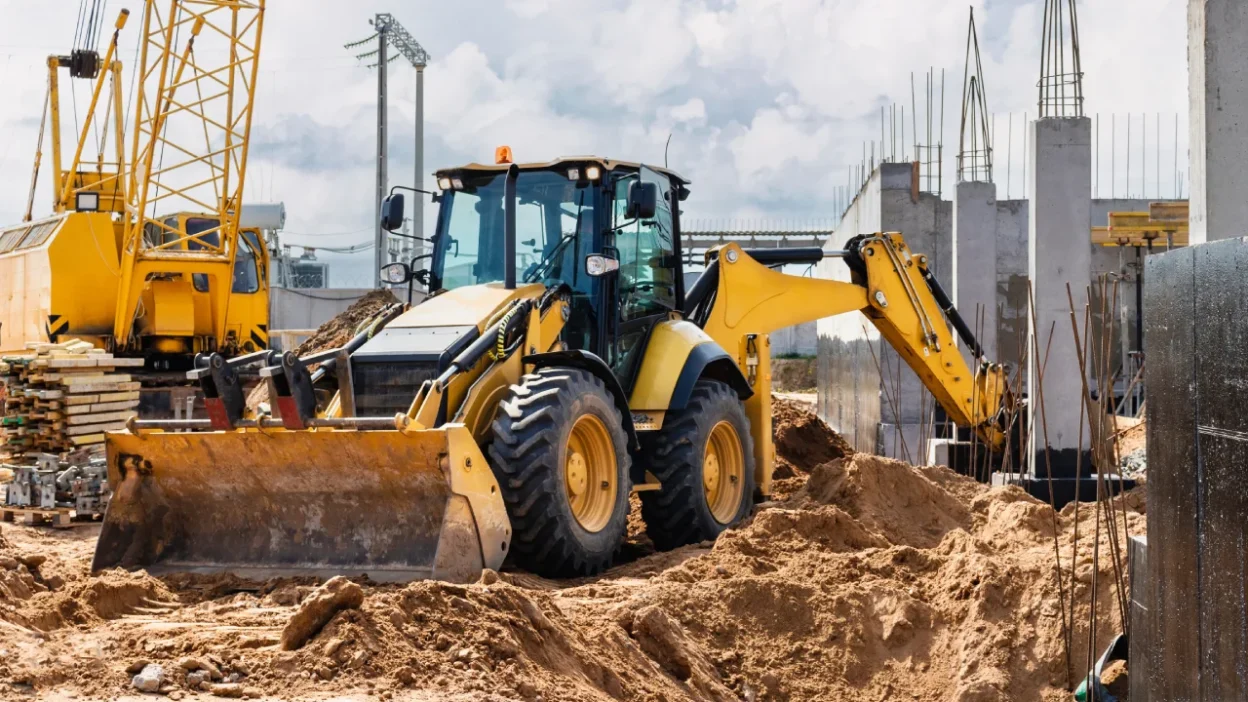
Construction sites look, sound, and operate differently today than they did just five years ago. Diesel engines no longer dominate every single project. Strict emission laws, volatile fuel prices, and corporate sustainability goals force contractors to rethink their fleet strategies.
Buying heavy machinery is no longer exclusively about horsepower and digging depth. Fleet managers now face a critical choice between traditional diesel, fully battery-powered machines, and hybrid models. Choosing wrong means wasting capital on machines you cannot charge or losing bids because your equipment fails to meet local emission standards.
This guide breaks down how electric and hybrid machines perform on real jobsites. You will learn how to calculate total cost of ownership, understand infrastructure limits, and decide which technology fits your project needs.
Shift to Electric Construction Equipment: What’s Driving Market
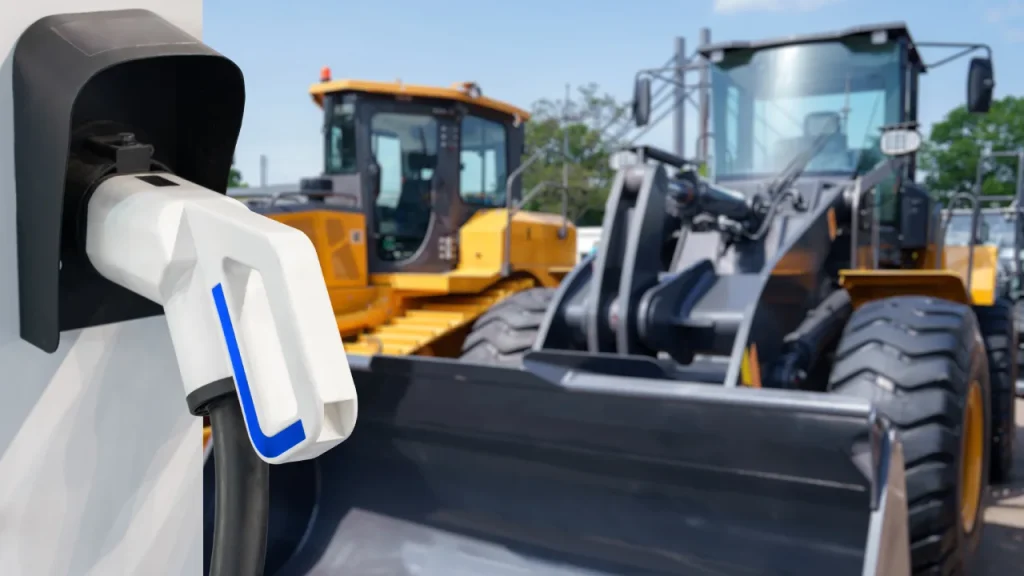
Industry leaders are permanently changing how heavy machinery operates. This shift away from pure diesel is not just a passing environmental trend. It is a fundamental change driven by hard economics and strict government regulations.
Four main factors push contractors to upgrade their fleets today.
Emissions Regulations
Governments worldwide are forcing diesel off urban jobsites. European cities enforce strict Zero Emission Zones where traditional diesel machines face massive fines or outright bans. In North America, the U.S. Environmental Protection Agency continues to tighten standards, pushing beyond Tier 4 Final regulations and making diesel exhaust fluid systems more complex and expensive to maintain.
Fuel Cost Volatility
Diesel prices remain highly unpredictable. Geopolitical tensions and supply chain disruptions cause sudden price spikes that destroy project profit margins. Electricity prices, while varying by region, offer far more stability for long-term project forecasting.
Urban Construction Restrictions
City planners now include noise limits in construction permits. Traditional diesel excavators easily exceed 90 decibels, severely limiting working hours in residential zones. Battery-powered machines operate almost silently, allowing contractors to work early mornings or late nights without violating local noise ordinances.
ESG and Sustainability Pressure
Corporate clients demand green construction practices. Large developers and government agencies require contractors to report their carbon footprint during the bidding process. Having low-emission machinery directly increases your chances of winning lucrative public infrastructure contracts.
Reports from Deloitte highlight a clear shift: construction equipment is expected to be one of the first areas to go zero-emission, driven by regulation and urban sustainability targets. This urgency is backed by the scale of the problem — construction accounts for around 37% of global CO₂ emissions, with about 16% coming from ‘embodied carbon’ tied to materials, logistics, and on-site machinery.
Within that footprint, equipment and site activities are a key emissions source, which is why Deloitte identifies machinery as one of the fastest segments to decarbonize across the entire construction value chain.
Electric Construction Equipment Market: Growth and Adoption Trends
The electric construction equipment market has matured rapidly by early 2026, moving far beyond experimental prototypes into mass production. Industry data shows the market is expanding at roughly 20–23% annually, with some segments approaching even faster growth. (Global Market Insights)
This acceleration is driven by compact machinery. Compact excavators, wheel loaders, and site dumpers are leading the transition, with excavators alone accounting for over half of the market. Because these smaller machines require less energy to perform daily tasks, current battery technology can already meet their operational demands — making them the fastest segment to electrify.
Major Original Equipment Manufacturers pour billions into electrification. Volvo Construction Equipment now offers an extensive lineup of compact battery-powered machines and has halted development of new compact diesel engines entirely. Caterpillar and Komatsu actively deploy mid-sized battery excavators on commercial jobsites, while Hitachi focuses heavily on hybrid excavators that bridge the gap for heavy-duty mining and infrastructure projects.
Adoption remains uneven across different weight classes. Compact machines see massive real-world adoption right now. However, massive mining excavators and heavy bulldozers still rely on diesel or diesel-electric hybrid systems because current battery density cannot support 12-hour shifts of continuous heavy earthmoving.
Electric vs Hybrid Construction Equipment: What’s Difference
Buyers often confuse hybrid and fully electric systems. Understanding mechanical differences prevents costly purchasing mistakes.
Fully electric equipment removes the diesel engine entirely. These machines use large lithium-ion battery packs to power electric motors. Electric motors drive the tracks or wheels and power the hydraulic pumps for lifting and digging. They produce zero exhaust emissions and require external power sources to recharge.
Hybrid equipment combines a traditional internal combustion engine with electrical components. Most hybrid excavators use a smaller diesel engine paired with an electric motor and an energy storage system, like a supercapacitor or a small battery. When the machine swings or brakes, it captures kinetic energy, stores it, and uses it to assist the diesel engine during heavy lifting.
| Feature | Electric Equipment | Hybrid Equipment | Diesel Equipment |
|---|---|---|---|
| Power Source | Battery pack | Diesel engine plus electrical storage | Diesel engine |
| Emissions | Zero direct emissions | Reduced emissions | High emissions |
| Noise Level | Very low | Moderate | High |
| Refueling Method | Grid charging or mobile power bank | Diesel fuel tank | Diesel fuel tank |
| Infrastructure Needed | High capacity electrical grid | Standard fuel delivery | Standard fuel delivery |
| Maintenance Needs | Very low | Moderate | High |
Cost Comparison: Electric vs Hybrid vs Diesel
Financial math dictates fleet decisions. Buying alternative power requires looking past the sticker price and calculating Total Cost of Ownership over a five-year period.
Upfront Cost
Battery technology remains expensive. Fully electric machines generally cost 30% to 50% more upfront than their diesel equivalents. Hybrid machines carry a smaller premium, usually costing 15% to 25% more than standard diesel models.
Operating Cost
This is where battery power wins. Let us look at a real-world calculation for a compact excavator running 1,500 hours annually.
- Diesel excavator burns roughly 1.5 gallons per hour. At $4.00 per gallon, fuel costs $6.00 per hour. Annual fuel cost equals $9,000.
- Electric excavator consumes about 12 kWh per hour. At an industrial electricity rate of $0.15 per kWh, energy costs $1.80 per hour. Annual energy cost equals $2,700.
- Electric power saves $6,300 per year in fuel alone.
Maintenance
Electric motors have one moving part. Diesel engines have hundreds. Battery-powered machines eliminate engine oil changes, fuel filters, air filters, and diesel exhaust fluid maintenance. “Fleet managers report significantly lower maintenance costs for electric equipment. McKinsey notes that electric vehicles ‘contain fewer moving parts and require less maintenance work’ , and estimates that maintenance costs for battery electric vehicles can be approximately 40% lower than for combustion vehicles .”
Hybrid machines offer slight maintenance savings by reducing strain on the primary diesel engine, but you still must maintain traditional combustion components.
Total Cost of Ownership
While electric machinery costs more upfront, lower operating and maintenance costs often create a break-even point between year three and year four.
Here is the 5-year breakdown. For this calculation, we assume a $60,000 base purchase price for a diesel excavator, a 40% upfront premium for the electric model ($84,000), and a baseline diesel maintenance cost of $3,000 per year (reduced by 40% for electric).
Diesel Excavator (5-Year TCO)
- Upfront purchase: $60,000
- Fuel costs ($9,000/yr x 5): $45,000
- Maintenance ($3,000/yr x 5): $15,000
- Total 5-year cost: $120,000
Electric Excavator (5-Year TCO)
- Upfront purchase: $84,000
- Energy costs ($2,700/yr x 5): $13,500
- Maintenance ($1,800/yr x 5): $9,000
- Total 5-year cost: $106,500
Financial Result
By saving $6,300 on fuel and $1,200 on maintenance annually, the electric excavator generates $7,500 in yearly operational savings. Despite paying $24,000 more upfront, the electric machine reaches its break-even point at exactly 3.2 years. By the end of year five, the electric model saves your fleet $13,500 in total lifetime costs.
However, this math only works if you have cheap and direct access to the electrical grid. If you must rent diesel generators to charge your battery-powered machines on a remote site, your operating costs will skyrocket, effectively erasing these savings and making electric equipment more expensive overall.
Performance in Real Jobsite Conditions
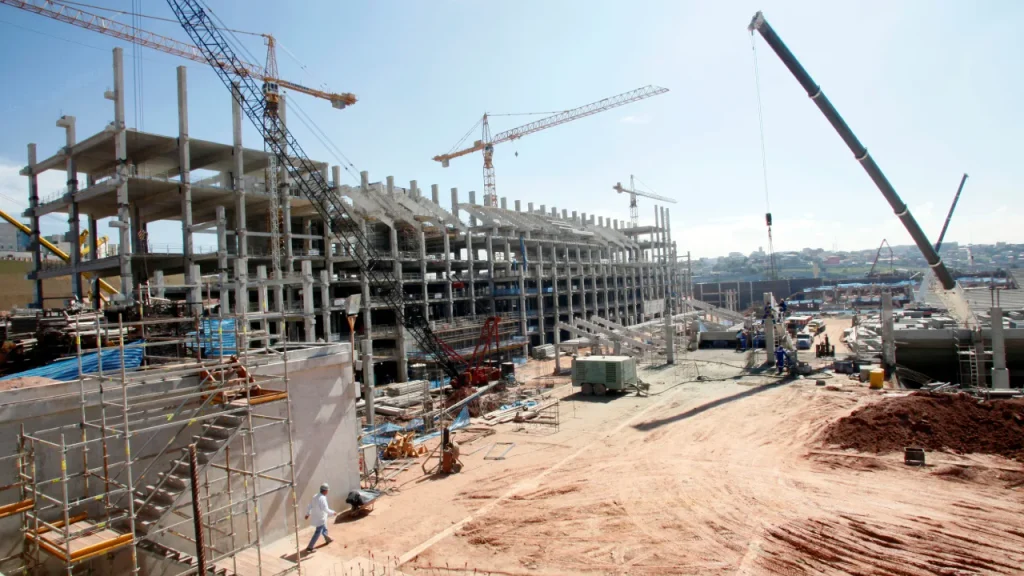
Theory means nothing when you have dirt to move. Operators need to know how these machines perform in the mud and heat.
Power and Performance Differences
Electric motors deliver instant torque. Operators consistently report that battery-powered excavators feel faster and more responsive than diesel models. Hydraulic performance remains identical because both systems use standard hydraulic pumps. If a machine is rated to lift 5,000 pounds, it will lift 5,000 pounds regardless of its power source.
Runtime Limitations
Battery constraints represent the biggest hurdle. Most compact electric machines provide 4 to 6 hours of continuous, heavy-duty operation on a single charge. For lighter tasks like utility trenching or landscaping, they can stretch to a full 8-hour shift.
Charging vs Refueling
Refueling a diesel tank takes five minutes. Recharging a massive battery pack takes hours. Using standard 220V AC charging, a compact excavator might need 12 hours to reach full capacity. Using DC fast chargers, you can reach 80% capacity in about two hours during a lunch break, but this requires high-voltage infrastructure on your jobsite.
Hybrid Flexibility
Hybrid machines shine in performance consistency. They offer the same runtime and refueling speed as traditional machines while delivering faster swing speeds and better fuel efficiency. You never have to stop working to plug a hybrid machine into a wall.
When Electric Construction Equipment Makes Sense
Certain environments make battery power the absolute best financial and operational choice.
Urban Projects
Working in densely populated cities requires navigating strict noise and emission laws. Battery power allows you to secure permits easily and avoid complaints from local residents.
Indoor or Emission-Restricted Environments
Demolition inside existing structures, tunnel construction, and warehouse expansion projects present massive ventilation challenges. Running diesel indoors requires expensive exhaust scrubbers and massive fans. Zero-emission machines eliminate deadly carbon monoxide risks entirely, making them perfect for indoor jobs.
Short-Duration Operations
Landscaping, utility repairs, and municipal maintenance usually involve running a machine for a few hours, then moving to a new location. These duty cycles perfectly match current battery capacities.
Noise-Sensitive Areas
Building additions onto active hospitals, schools, or office parks requires extreme noise control. Silent operation gives contractors a massive competitive advantage when bidding on these sensitive projects.
When Hybrid Equipment Is Better Choice
Battery power cannot solve every problem. Hybrid technology dominates when raw endurance and independence matter most.
Remote Locations
Building highways, dams, or pipelines miles away from the nearest electrical grid makes battery charging impossible. Hybrid machines give you fuel savings without requiring a power plant nearby.
Long Working Hours
Mining operations and heavy earthmoving projects often run machines for 12 to 16 hours daily. Current battery technology simply cannot support continuous heavy digging for that duration without massive, impractical battery packs.
Lack of Charging Infrastructure
If your local utility company takes six months to install a temporary high-voltage drop on your jobsite, you cannot rely on pure electric machines. Hybrids use standard diesel delivery trucks.
Heavy-Duty Applications
Machines weighing over 30 tons require massive amounts of energy to rip through frozen ground or solid rock. Hybrid systems provide the necessary brute force while using kinetic energy recovery to lower fuel consumption by up to 20%.
Key Limitations Buyers Need to Understand
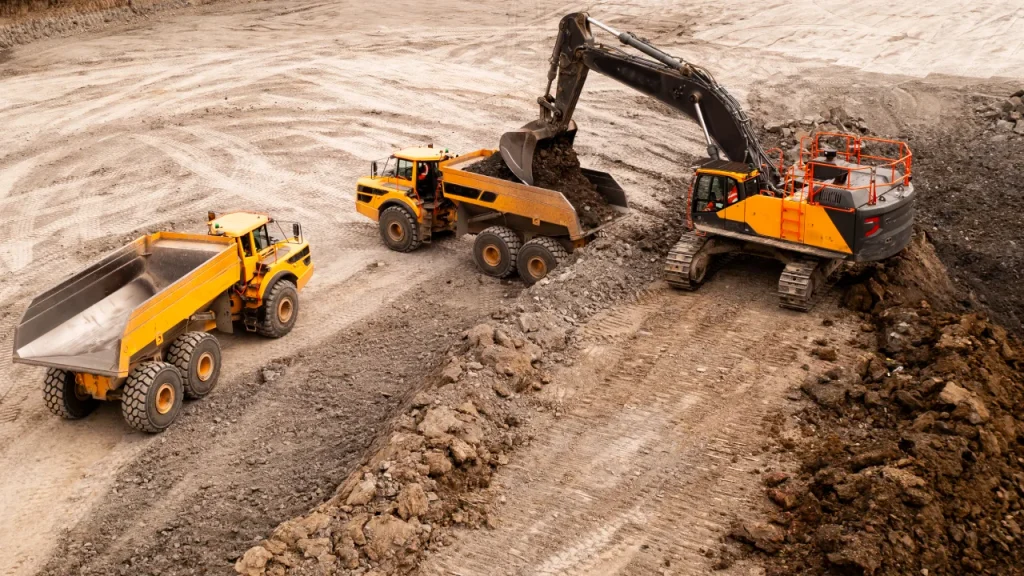
Sales brochures highlight the benefits, but smart buyers must acknowledge the harsh realities before spending hundreds of thousands of dollars.
Charging Infrastructure Limitations
Buying the machine is easy; charging it is hard. Many jobsites lack the electrical capacity to support multiple DC fast chargers. Upgrading jobsite power requires coordination with utility companies, which often causes severe project delays.
Battery Degradation
Just like a smartphone, heavy machinery batteries lose capacity over time. Extreme cold weather significantly reduces daily runtime, sometimes dropping efficiency by 20% in freezing temperatures. Replacing a degraded battery pack after seven years can cost tens of thousands of dollars.
Limited Availability
Demand outspaces supply. Dealerships often have long waiting lists for the newest zero-emission models. Finding a used battery-powered machine locally remains incredibly difficult in many regions.
High Upfront Costs
Tying up excessive capital in expensive machinery limits your cash flow for other project needs. Small contractors may struggle to secure financing for equipment that costs 40% more than standard models.
Where Market Is Headed: Electric vs Hybrid Outlook
Research into the electric construction equipment market shows a clear direction for the next decade.
Growth is strongest in compact and mid-sized machines. The broader electrification trend is accelerating fast — global EV adoption and battery demand continue to scale sharply, with battery demand projected to triple by 2030 according to the International Energy Agency.
At the same time, supporting infrastructure is expanding but still playing catch-up. The number of public charging points grew by over 30% in a single year, highlighting both rapid deployment and ongoing infrastructure pressure.
Battery technology improvements are enabling this shift. According to IEA data, battery markets are scaling quickly, with deployment in 2025 already six times higher than in 2020, reflecting rapid advances in performance and cost efficiency
Hybrid technology continues to play a key role in heavy equipment. Electrification is progressing unevenly across machine classes, and large construction equipment remains significantly harder to decarbonize, which is why hybrid systems are still widely used as a transitional solution. (Deloitte)
Infrastructure remains one of the biggest constraints. Even with rapid charger deployment, scaling electrification requires substantial grid upgrades and power availability, particularly for industrial and off-road applications. (IEA)
To bridge that gap, the industry is already shifting toward mobile energy solutions. Manufacturers are introducing on-site battery storage systems to support charging where grid access is limited.
Where to Source Electric and Hybrid Construction Equipment
Finding modern machinery requires looking beyond your local dealership lot.
Limited Local Availability
Local dealers prioritize fast-moving inventory. Many regional sellers hesitate to stock expensive alternative power machines, leaving buyers with very few options to compare.
Importance of Global Sourcing
Expanding your search globally unlocks access to massive inventory pools. European markets adopted green technology years before North America, meaning European sellers currently hold excellent stock of lightly used, late-model electric and hybrid machines.
Access to Newer Inventory Internationally
Platforms like JumboBee connect you directly to verified sellers worldwide. You gain access to machines that simply do not exist in your local market yet. JumboBee handles all complex logistics, including ocean freight, customs clearance, and import compliance. You see the full, transparent cost immediately, avoiding hidden international trade fees.
Electric vs Hybrid: Which One Should You Choose
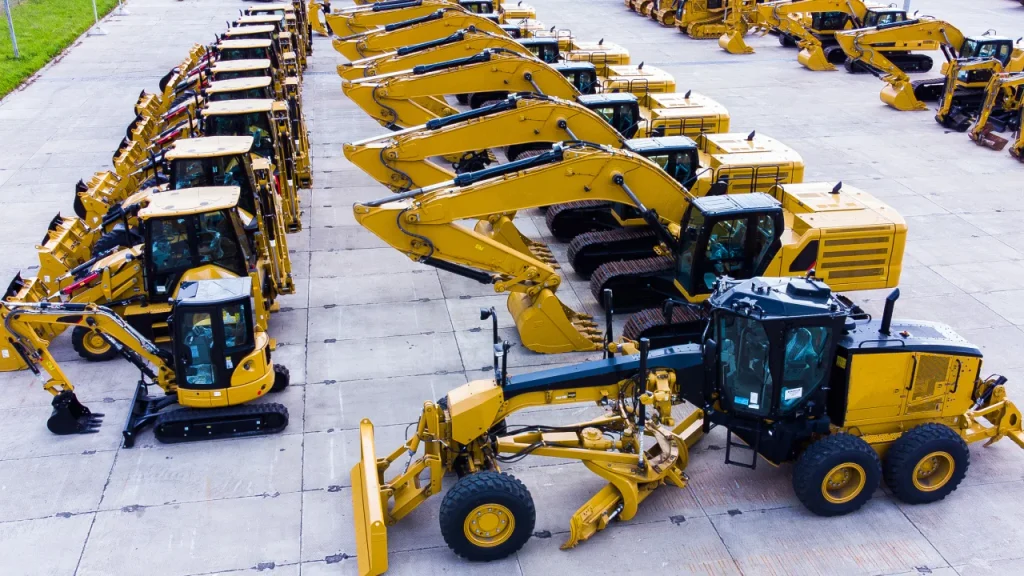
Making the final call requires a strict decision framework based on your business model.
Budget
If capital is tight and you need immediate ROI, stick with hybrid or traditional diesel. If you have strong cash flow and plan to keep the machine for seven years to realize maintenance savings, battery power makes financial sense.
Job Type
Analyze your contracts. If you bid on urban utility work, indoor demolition, or hospital expansions, battery power is mandatory for competitive advantage. If you build rural highways, hybrids are the clear winner.
Location
Check local regulations. Operating in California or major European cities heavily favors zero-emission investments due to strict government mandates and available tax subsidies.
Infrastructure
Be painfully realistic about your power access. If you cannot guarantee overnight charging capabilities at your yard or jobsites, do not buy fully battery-powered machinery.
Key Takeaways for Buyers
- Electric is situational: Perfect for urban, indoor, and noise-sensitive projects with guaranteed power access.
- Hybrid is transitional: The best choice for heavy earthmoving and remote projects requiring long hours without grid access.
- Infrastructure is main constraint: Charging logistics require more planning than operating the actual machine.
- ROI depends on use case: High upfront costs are offset by massive fuel and maintenance savings, provided you use the machine frequently enough.
Ready to Explore Modern Construction Equipment
Upgrading your fleet requires access to the best global inventory. Stop relying on limited local stock and start sourcing machinery that fits your future project needs. JumboBee provides a secure, transparent marketplace to find what you need, complete with built-in shipping and professional inspections.
- Browse equipment: Search thousands of verified listings globally at JumboBee.
- Compare available machines: Look at total costs, including shipping and customs, with zero hidden fees.
- Contact sellers: Negotiate directly with verified international sellers and let JumboBee handle the complex logistics.
Sign up today and modernize your construction fleet with confidence.







Be the first to leave a comment
There are no replies to this post yet. Share your thoughts and help start the conversation.