


 Equipment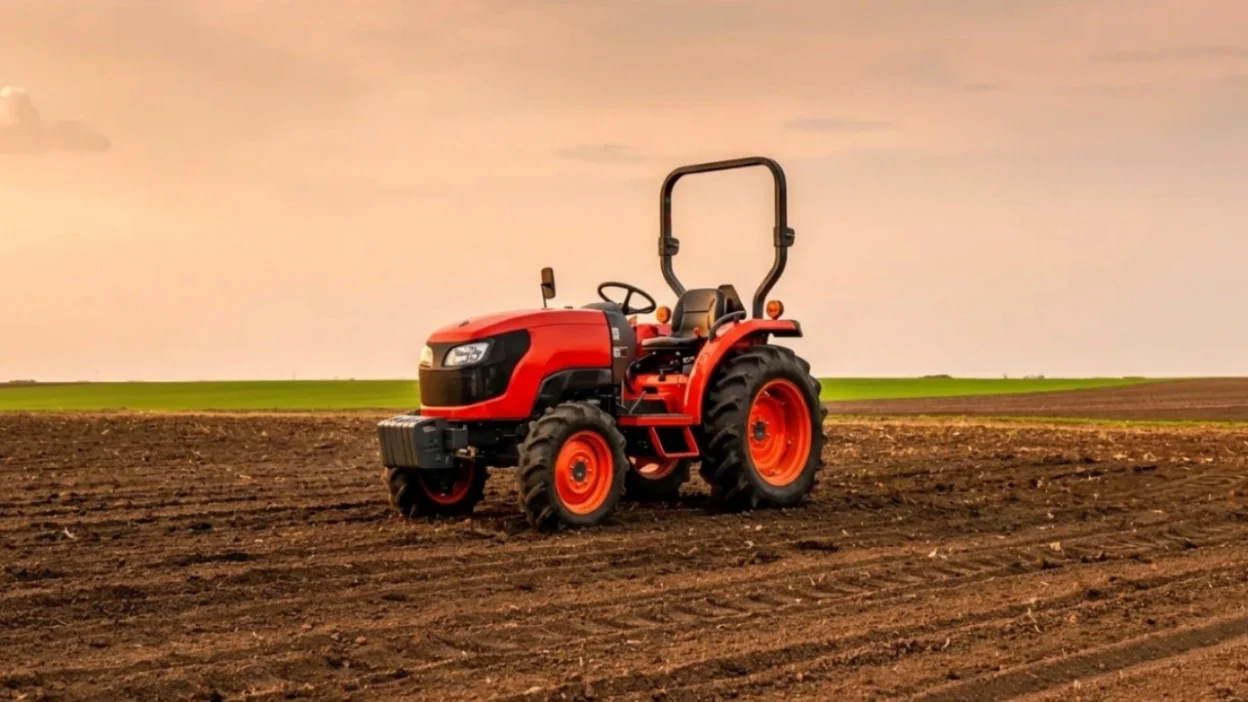
A compact tractor sitting in a barn without the right attachments is like a truck with no bed — it has potential, but it’s not doing much work. The real power of a compact tractor comes from what you connect to it.
On small farms, budget and space are always limited. You can’t afford five different single-purpose machines. But with the right compact tractor attachments, one machine can mow pastures in the morning, grade a driveway in the afternoon, and move hay bales before dinner. That’s not an exaggeration — it’s exactly how thousands of small-scale farmers operate across the United States every day.
This guide covers 17 of the most useful tractor attachments for small farm operations. For each one, you’ll find out what it does, when to use it, and why it earns its place on a small farm.
Why Compact Tractor Attachments Matter on Small Farms
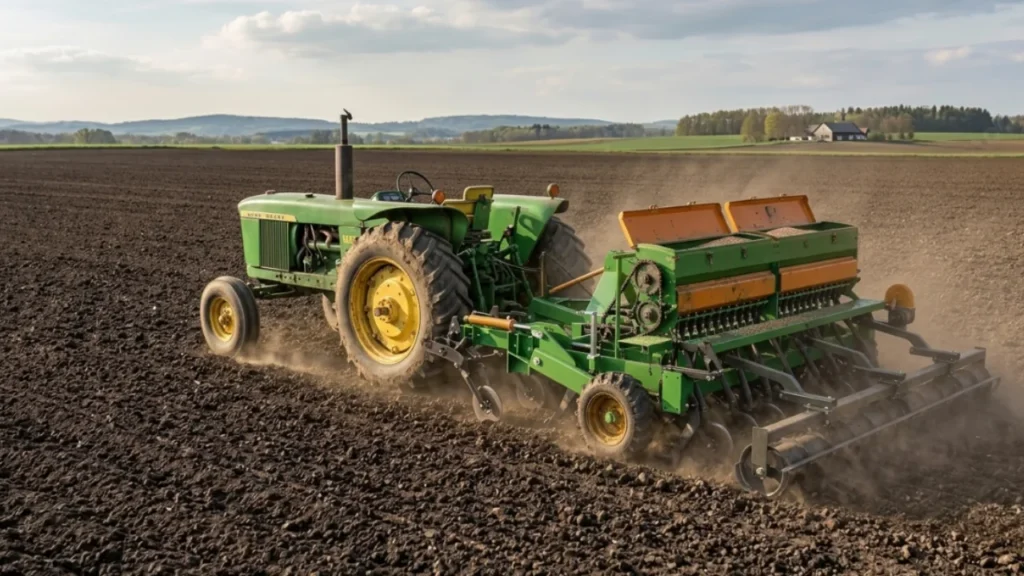
Running a small farm means wearing a lot of hats. One week you’re preparing beds for spring planting. The next, you’re clearing brush, repairing a fence line, or spreading fertilizer across a pasture. Hiring separate contractors for each task adds up fast — often $500 to $1,500 per job depending on your region.
Small farm equipment built around a compact tractor with interchangeable implements solves that problem. Instead of calling someone out for every task, you swap an attachment in 15 minutes and handle it yourself.
Here’s what well-chosen small tractor attachments deliver:
- Efficiency — Tasks that take a full day by hand take 2 hours with the right implement
- Labor savings — One person can do the work of three or four
- Versatility — The same tractor handles 10+ different jobs
- Lower cost per task — Equipment pays for itself after just a few seasons
Many small farms rely on versatile machines like [compact tractors available in our equipment catalog at JumboBee — a global marketplace where farmers source both tractors and implements at competitive prices.
How to Choose Right Tractor Attachments
Before you build your tractor attachments list, you need to match the equipment to your actual situation. Here’s a practical framework.
Farm Size
A 5-acre hobby farm and a 50-acre working farm have very different needs. On smaller acreage, lighter compact tractor attachments with tighter turning radius matter more. On larger properties, you’ll want more heavy-duty small farm implements with higher capacity — a 6-foot box blade instead of a 4-foot one, for example.
Typical Farm Tasks
Write down what you actually do every week. Examples:
- Mowing and brush clearing
- Planting or tilling garden beds
- Moving hay, feed bags, or gravel
- Building or maintaining fences
- Grading driveways or clearing snow
Your most frequent tasks should drive your first purchases. A horse farm needs bale spears and post hole diggers. A market garden needs a tiller and a seeder. Don’t buy what looks impressive — buy what you’ll use every week.
Tractor Compatibility
This is where many buyers go wrong. Key factors to check before buying small tractor implements:
- Horsepower (HP): Most compact tractors run 25–60 HP. Heavier implements like tillers and blowers may require 40+ HP.
- 3-point hitch category: Category 1 and Category 2 are standard for most compacts. Always verify the hitch category matches the implement.
- PTO (Power Take-Off): Rotary cutters, tillers, and snow blowers require PTO. Check your tractor’s PTO HP rating separately from engine HP.
- Attachment weight: Exceeding your tractor’s lift capacity is dangerous. Most compact tractors lift 1,200–2,500 lbs at the 3-point hitch.
The Association of Equipment Manufacturers publishes useful compatibility data and equipment safety standards that are worth reviewing before purchasing.
Attachment Versatility
Prioritize implements that handle more than one job. A box blade, for instance, can grade driveways, backfill trenches, and level soil for planting areas. A landscape rake removes debris and levels seedbeds. Multi-use tools give you more value per dollar spent.
Most Useful Tractor Attachments for Small Farms
1. Front-End Loader
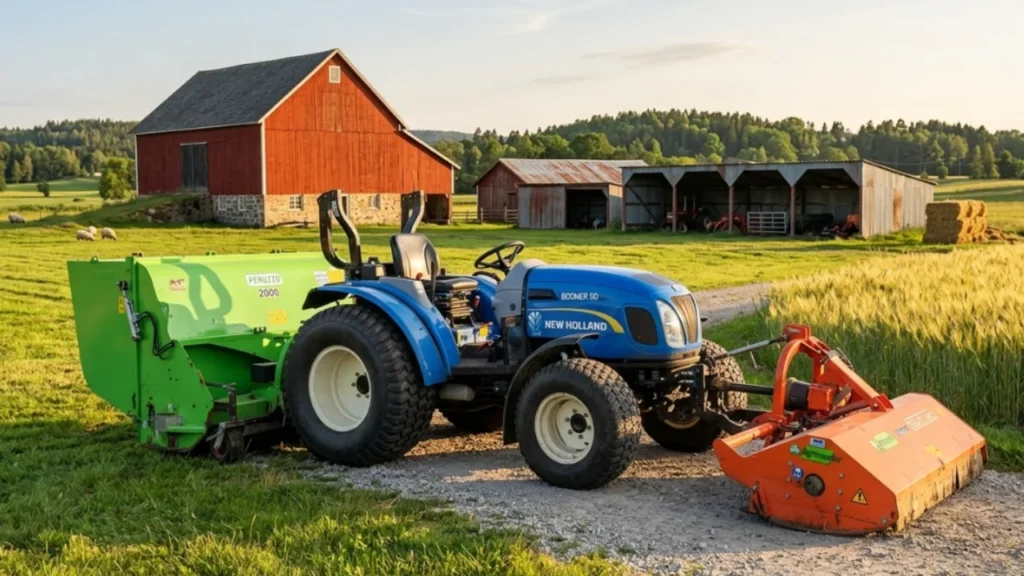
This is the single most essential attachment for small farm operations. If you only ever add one thing to your tractor, make it a front-end loader.
What it does: Scoops, lifts, and moves bulk material — soil, gravel, sand, manure, compost, and feed.
When you use it: Daily. Cleaning out stalls, moving topsoil for a raised bed, relocating a pile of gravel, loading a spreader.
A standard 60-HP compact tractor with a front-end loader can move roughly 800–1,200 lbs per scoop. At that rate, you can relocate a 10-ton gravel pile in under an hour.
Small farm equipment doesn’t get more fundamental than this. Almost every other task becomes easier once you have a loader on the machine.
2. Rotary Cutter (Brush Hog)
If you have any amount of pasture, fence line, or open acreage, a rotary cutter is non-negotiable.
What it does: Cuts heavy grass, weeds, brush, and light saplings that a regular mower can’t touch.
When you use it: Spring and summer brush control, keeping fence lines clear, managing overgrown fields.
A 5-foot rotary cutter on a 40-HP tractor can clear an acre of dense brush in about 90 minutes. That’s work that would take two people an entire day with hand tools.
Small tractor attachments like brush hogs are available new or used, and even older units work reliably with basic maintenance.
3. Box Blade
One of the most underrated tools on a small farm — and one of the most used once you own it.
What it does: Grades and levels surfaces. Cuts high spots, fills low spots, and backfills ditches.
When you use it: Driveway maintenance after rain, leveling areas before seeding, backfilling post holes or utility trenches.
A box blade with scarifier teeth can restore a rutted gravel driveway in a single pass. On a 300-foot driveway, that’s 20 minutes of work instead of an afternoon with a wheelbarrow and rake.
Small tractor implements like the box blade are priced anywhere from $600 to $2,000 depending on width and build quality — one of the best value tools on this list.
4. Landscape Rake
What it does: Combs and levels soil surfaces. Removes rocks, clods, and debris to prepare a clean seedbed.
When you use it: Before seeding or sodding, after rough grading with a box blade, clearing gravel from grass areas.
A landscape rake is what you use after the box blade finishes. Together, they’re a two-step surface prep system that delivers professional results on small-scale land work.
5. Post Hole Digger
Fencing is one of the most time-consuming jobs on any livestock farm. A post hole digger changes that equation completely.
What it does: Drills holes into the ground using a PTO-driven auger. Available in 6-inch, 9-inch, and 12-inch diameter sizes.
When you use it: Installing fence posts, planting trees, setting gate posts, anchoring structures.
By hand, digging a 3-foot hole in compacted clay soil can take 30 minutes per hole. A post hole digger gets it done in 60 seconds. For a 500-foot fence line needing 50 posts, that’s about 4 hours of hand digging reduced to under 1 hour total.
6. Disc Harrow
What it does: Breaks up compacted soil using a series of angled metal discs. Cuts through sod, residue, and hard ground.
When you use it: Preparing fields after harvest, breaking new ground, incorporating cover crops or manure into soil.
A disc harrow is a first-pass implement — it does the heavy breaking work before you bring in a tiller for finer preparation. Soil preparation is one of the top time investments for small-scale crop producers, making this category of small farm implements especially valuable.
7. Rotary Tiller
What it does: Tills soil to a fine, workable texture using rotating tines. Works soil 4–8 inches deep depending on settings.
When you use it: Preparing garden beds and market garden plots, incorporating compost or fertilizer, creating seedbeds for direct seeding.
A 5-foot tiller can prepare 1,000 square feet of garden bed in about 15 minutes. For a market gardener preparing multiple beds each spring, this is one of the best tractor implements to own outright rather than rent.
Small farm implements like tillers pay for themselves in just 2–3 growing seasons when compared to renting or contracting the work.
8. Bale Spear
What it does: A set of pointed forks that attach to the front loader and pierce round or square bales for transport and placement.
When you use it: Moving hay from storage to feeding areas, stacking bales, loading bales onto trailers.
Trying to move a 1,000-lb round bale by hand is not a realistic option. A bale spear makes it a one-person, one-minute job. For cattle, horse, or sheep operations, this is a daily-use tool from October through April.
9. Pallet Forks
What it does: Slides under pallets for lifting and moving. Attaches to the front loader frame.
When you use it: Moving feed bags on pallets, transporting equipment, handling building materials, organizing storage areas.
One standard pallet of 50-lb feed bags weighs around 2,000 lbs. Without pallet forks, that’s a serious manual unloading job. With forks, you move the entire pallet in one lift.
This is one of the must-have tractor attachments for any farm that regularly receives deliveries or handles bulk materials.
10. Snow Blower
What it does: Mounts to the front or rear of the tractor and throws snow clear of driveways, barn entrances, and pathways.
When you use it: Winter — anytime snowfall exceeds 4–6 inches.
A tractor-mounted snow blower can clear a 200-foot driveway in under 10 minutes. For farms in USDA hardiness zones 3 through 6, where average annual snowfall ranges from 30 to 100+ inches, this is a seasonal must-have tractor accessory that pays for itself in the first winter.
11. Land Leveler
What it does: A rigid, wide blade that floats on the soil surface and levels uneven ground to a consistent grade.
When you use it: Preparing paddocks, leveling areas before seeding, field prep before laying irrigation lines.
Unlike a box blade, a land leveler doesn’t move material aggressively — it redistributes it smoothly. For small-scale crop or livestock farmers preparing acreage for seeding, it’s one of the best tractor attachments for final surface finishing.
12. Seeder / Broadcast Spreader
What it does: Distributes seed, fertilizer, or lime evenly across a field. PTO-driven or gravity-fed versions available.
When you use it: Reseeding pastures in spring and fall, applying fertilizer or lime, overseeding worn-out paddocks.
A tractor-mounted spreader can cover 5 acres in under an hour. By hand or with a walk-behind unit, the same area would take most of a day. For pasture management, this is one of the most practical small farm implements you can add to your rotation.
13. Grapple
What it does: A hydraulic claw attachment for the front loader. Grabs, squeezes, and moves irregular loads like logs, brush piles, and rocks.
When you use it: Clearing cut timber, moving brush piles, handling demolition debris, picking up large rocks.
A grapple lets you move material that a standard loader bucket can’t hold — loose logs, tangled brush, odd-shaped debris. For farms with woodland areas or properties undergoing development, this is one of the best tractor attachments to have in the shed.
14. Backhoe Attachment
What it does: Adds a rear-mounted digging arm to your compact tractor. Digs trenches, removes stumps, and excavates for ponds or structures.
When you use it: Installing water lines or drainage, pond construction, stump removal, deep post installation.
A compact backhoe attachment typically digs to 8–10 feet. Renting a standalone mini-excavator runs $300–$600 per day. Owning a backhoe attachment for your existing tractor delivers that capability on demand — one of the most powerful additions to your tractor attachments list.
15. Rear Blade
What it does: A simple angled blade mounted to the 3-point hitch at the rear. Pushes, pulls, and grades material.
When you use it: Light driveway grading, moving snow, spreading gravel, cutting drainage channels.
A rear blade is simpler and cheaper than a box blade, but covers a lot of the same ground for basic maintenance tasks. For farms with seasonal gravel maintenance needs, it’s one of the most cost-effective must-have tractor accessories on this list.
16. Flail Mower
What it does: Uses small hammer-like blades rotating at high speed to shred vegetation rather than cut it. Leaves a cleaner, mulched finish than a rotary cutter.
When you use it: Roadside mowing, orchard floor maintenance, shredding crop residue, mowing near fences without throwing debris.
Where a brush hog tears through heavy material, a flail mower produces a finer finish. For farms that need both performance and aesthetics — such as agritourism operations or orchards — a flail mower is one of the most useful tractor attachments to complement your brush hog.
17. Auger
What it does: Drills deep, clean holes into the ground. PTO-driven and available in multiple bit diameters.
When you use it: Planting bare-root trees, installing fence posts, setting mailboxes or signs, boring holes for irrigation infrastructure.
An auger is different from a post hole digger in that it tends to offer larger diameter options and is used for deeper precision work. For orchards, tree farms, or any operation doing systematic planting, an auger reduces tree-planting time from 20 minutes per hole to under 2 minutes.
Compact Tractor Attachments vs Large Tractor Implements
There’s a clear difference between compact tractor attachments designed for 25–60 HP machines and implements made for 100–300 HP row-crop tractors.
| Factor | Compact Attachments | Large Tractor Implements |
|---|---|---|
| Weight | 200–1,500 lbs | 2,000–15,000+ lbs |
| Power needed | 25–60 HP | 100–300+ HP |
| Width range | 4–8 feet | 10–40+ feet |
| Cost range | $500–$8,000 | $5,000–$80,000+ |
| Best for | Small farms, 5–100 acres | Large-scale row crop operations |
For small farms, compact tractor attachments are the right fit. They’re lighter, cheaper, easier to store, and purpose-built for the scale of work you’re actually doing. Buying oversized implements wastes money, strains equipment, and often creates safety issues.
Most Popular Attachment Combinations for Small Farms
Not every farm needs all 17 implements. Here are three practical starter setups based on farm type.
Pasture Maintenance Setup
- Rotary cutter (brush control)
- Box blade (driveway and lane maintenance)
- Broadcast spreader (fertilizing and reseeding)
Livestock Farm Setup
- Front-end loader with bale spear (hay handling)
- Pallet forks (feed delivery)
- Post hole digger (fencing)
Market Garden Setup
- Rotary tiller (bed preparation)
- Seeder (direct seeding or cover crops)
- Landscape rake (seedbed finishing)
Each of these setups covers the core work for that farm type without overbuilding your equipment inventory.
Common Mistakes When Choosing Tractor Attachments
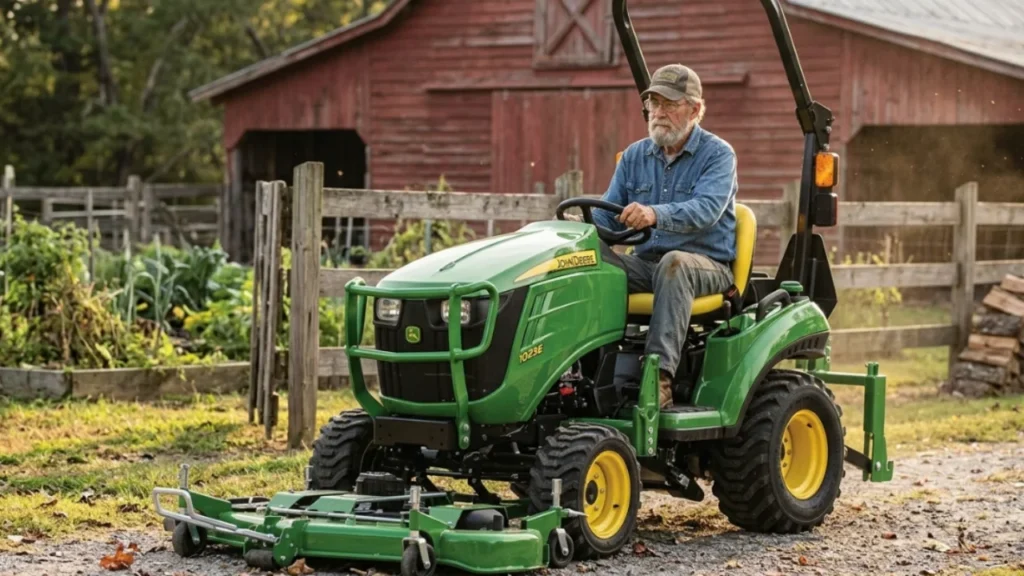
Buying attachments that are too large. A 7-foot box blade on a 30-HP tractor will strain the hydraulics and reduce maneuverability. Match implement width to tractor HP. As a general rule, add roughly 5 HP per additional foot of working width.
Ignoring PTO compatibility. Not all small tractor attachments run on PTO, but those that do require the right shaft speed (540 RPM vs 1000 RPM). Check this before purchasing any powered implement.
Choosing single-purpose implements first. Early on, prioritize small farm implements that can do two or three jobs. A box blade, landscape rake, and front loader cover a wider range of tasks than three single-purpose tools at the same total cost.
Overlooking attachment weight. Exceeding your tractor’s rear lift capacity is dangerous. It can tip the machine forward or damage the 3-point hitch. Always check manufacturer lift specifications before purchasing rear-mounted implements.
Where Farmers Buy Tractor Attachments
Dealers offer new equipment with warranties and financing, but prices are higher and inventory varies by region.
Auctions — both live and online — often yield well-maintained used implements at 30–60% below retail. Condition inspection is critical.
Online equipment marketplaces have become the most popular option in recent years, particularly for farmers buying across state lines or internationally. Farmers often compare models and prices by browsing compact tractor attachments available in global equipment marketplaces.
Conclusion
A compact tractor without attachments is a fraction of its potential. Add the right small farm implements, and that same machine becomes a complete farm work system — capable of handling land prep, pasture management, material handling, fencing, and seasonal tasks year-round.
You don’t need all 17 implements on day one. Start with the highest-frequency tasks on your specific farm, choose best tractor attachments that cover multiple jobs, and build your tractor attachments list over time as your operation grows.
The most efficient small farms aren’t the ones with the most equipment — they’re the ones with the right equipment, used consistently and well.
If you’re looking for compact tractors, must-have tractor attachments, or small tractor implements to expand what your farm can do, explore current listings at JumboBee — a global equipment marketplace built for buyers who want transparent pricing, verified sellers, and full shipping support from purchase to delivery.





Be the first to leave a comment
There are no replies to this post yet. Share your thoughts and help start the conversation.