 Equipment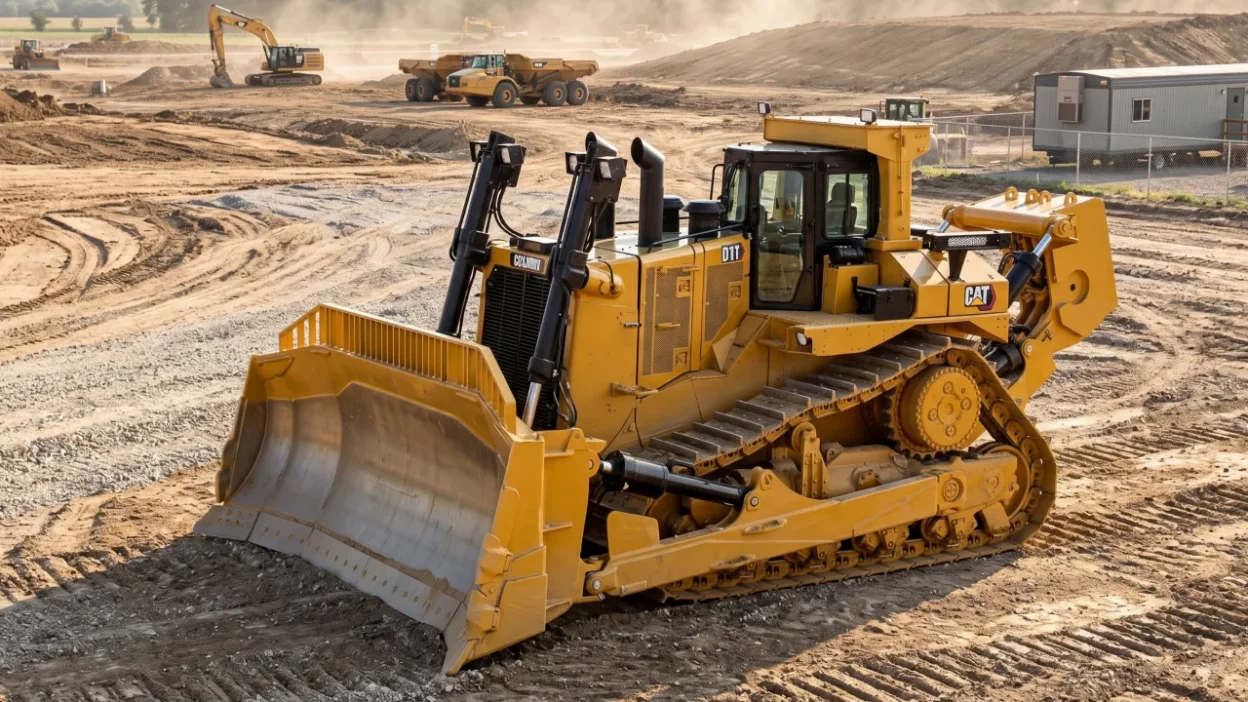
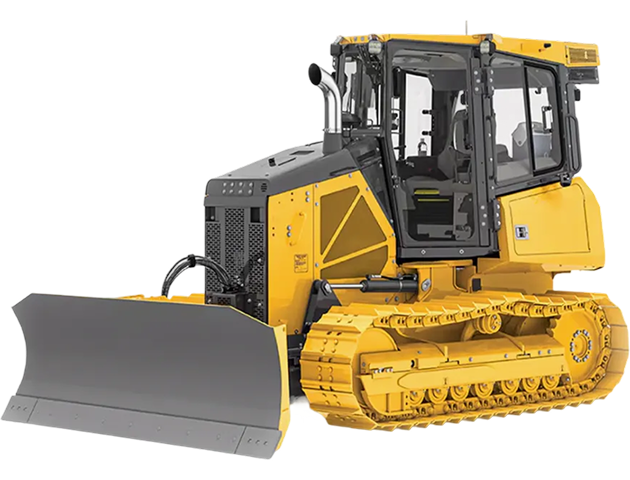
In the world of heavy earthmoving, few machines command respect like the Caterpillar D11 bulldozer. It is the flagship of Caterpillar’s track-type tractor line — a massive yellow giant designed for high-production dozing and ripping. If you work in mining, quarrying, or large-scale land reclamation, the D11 isn’t just a machine; it is the backbone of the operation.
This model dominates industry searches because it represents the upper limit of readily available earthmoving power. Whether you are looking for D11 dozer price estimates, trying to understand D11 dozer weight for logistics, or simply wondering if it is the biggest dozer in the world, you need accurate, actionable data.
This guide covers everything you need to know about the D11. We will break down specifications, real-world pricing for new and used units, size comparisons against other Cat dozer size comparison charts, and total cost of ownership.
What Is the Caterpillar D11?
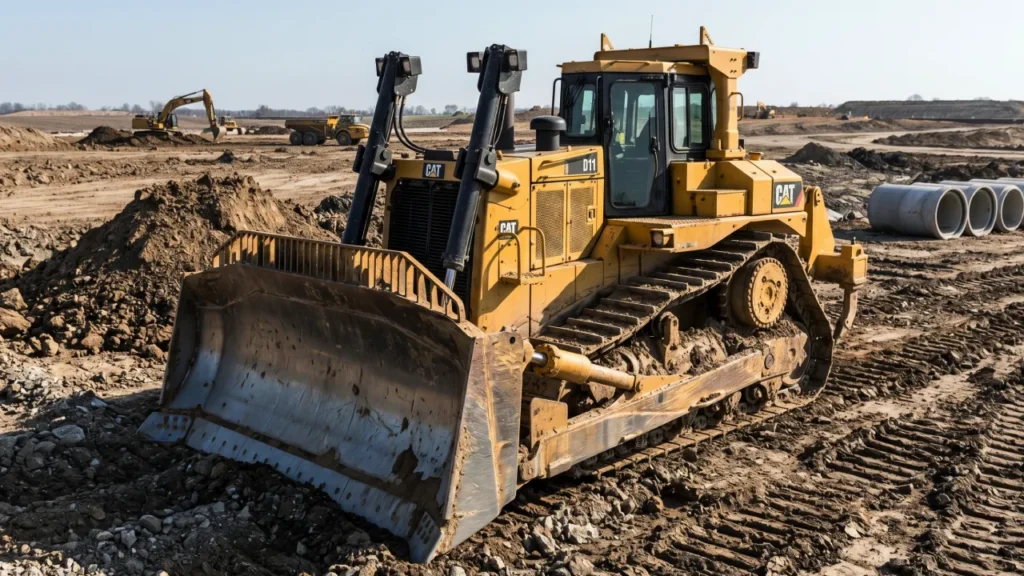
The Caterpillar D11 is a large track-type tractor, primarily designed for the mining sector. It uses a high-drive (elevated sprocket) undercarriage, a design Caterpillar introduced to isolate final drives from ground impact and increase durability.
Overview of D11 Series
The D11 has evolved since replacing the D10 as the top-tier model in the mid-1980s. Understanding the series helps when buying used equipment:
- D11N (1986–1996): First generation.
- D11R (1996–2008): Introduced fingertip controls and electronic clutch/brake steering.
- D11T (2008–2019): Enhanced cab comfort, ACERT technology engine, and better emissions compliance.
- D11 XE (Current): Latest generation featuring electric drive technology option (on some prototypes) and advanced powertrain efficiency.
While smaller dozers like the D6 or D8 are used for construction and road building, the Caterpillar D11 is almost exclusively found in mines. It is built for bulk earthmoving — pushing massive amounts of overburden or ripping solid rock that would otherwise require blasting.
Key Specifications of Caterpillar D11
To understand what this machine can do, you have to look at the raw numbers. The current D11 (and late-model D11T) specifications define its capabilities.
| Specification | Value |
|---|---|
| Engine Model | Cat C32 ACERT |
| Gross Power | 850 – 915 horsepower (634 – 682 kilowatts) |
| Operating Weight | 229,000 – 248,500 pounds (104 – 112 tons) |
| Blade Capacity | 34 – 57 cubic yards (26 – 43.6 cubic meters) |
| Length (with Blade) | Approximately 35.8 feet (10.9 meters) |
| Width (over Trunnions) | 14.3 feet (4.3 meters) |
| Height (Top of ROPS) | 15.6 feet (4.7 meters) |
Caterpillar D11 Dozer Weight — How Much Does It Really Weigh?
Weight is a critical factor for two reasons: traction and logistics. A dozer needs mass to push. The heavier the machine, the more material it can move before the tracks slip. However, moving a machine of this size requires specialized heavy haulage logistics.
Operating Weight vs Shipping Weight
When evaluating D11 dozer weight, you must distinguish between operating weight and shipping weight.
- Shipping weight: This is the stripped-down weight for transport. It usually excludes the blade, ripper, Roll-Over Protective Structure (ROPS), and track frames in some cases.
- Operating weight: This is the ready-to-work weight. It includes the blade, ripper, full fuel tank, lubricants, and the operator.
D11 Weight in Tons
So, what is the Cat D11 weight in tons?
A fully equipped Caterpillar D11 typically hits the scales between 104 and 112 tons (metric). In United States short tons, that is roughly 115 to 125 tons.
To put that in perspective, a standard D8 weighs about 39 tons. You could stack nearly three D8s on a scale to equal one D11.
How D11’s Weight Impacts Performance
Mass equals productivity in the dozer world.
- Traction: The D11 dozer transfers its 900+ horsepower to the ground through its tracks. Without the massive 100+ ton weight, the tracks would simply spin on top of hard-packed earth.
- Ripping power: The weight on the rear ripper shank allows the D11 to tear through granite and limestone, often eliminating the need for drilling and blasting.
- Stability: When working on mine slopes, the low center of gravity combined with extreme mass keeps the machine planted.
D11 Dozer Size Comparison
Visualizing a machine this large is difficult without context. Buyers often look for a D11 dozer size comparison to decide if they really need this much iron, or if a D10 would be sufficient.
D11 vs Other Caterpillar Dozers (D10, D9, D8)
Moving down the lineup saves money, but you sacrifice blade capacity. Here is how the Caterpillar D11 bulldozer stacks up against its smaller siblings.
| Model | Operating Weight | Horsepower | Blade Capacity | Price Range (Used) |
|---|---|---|---|---|
| Cat D11 | 104 – 112 tons | 850 – 915 HP | 34 – 43 cubic meters | $600,000 – $2.5 Million+ |
| Cat D10 | ~70 tons | ~600 HP | 18 – 22 cubic meters | $400,000 – $1.5 Million |
| Cat D9 | ~50 tons | 450 HP | 13 – 16 cubic meters | $250,000 – $900,000 |
| Cat D8 | ~39 tons | ~354 HP | 8 – 11 cubic meters | $150,000 – $600,000 |
If you are performing a Cat dozer size comparison, note the jump from D10 to D11. The D11 is roughly 50% heavier and more powerful than the D10. It is a significant leap in production capability.
How Big Is D11 Compared to Other Global Dozers?
The D11 is massive, but is it the biggest? Not historically, but practically, yes.
- Komatsu D575A-3 (super dozer): This was the largest production dozer ever made, weighing over 152 tons. Since 2012, it has been available only as a custom-built unit, primarily for large-scale mining operations in Australia and other regions.
- Liebherr PR 776: This is Liebherr’s competitor to the D10/D11 class, weighing around 74 tons. It is closer to a D10 in size.
- Komatsu D475A-8: This is the direct competitor to the D11. It weighs roughly 112 tons, making it a very close match in a D11 dozer size comparison.
D11 vs Biggest Dozer in the World
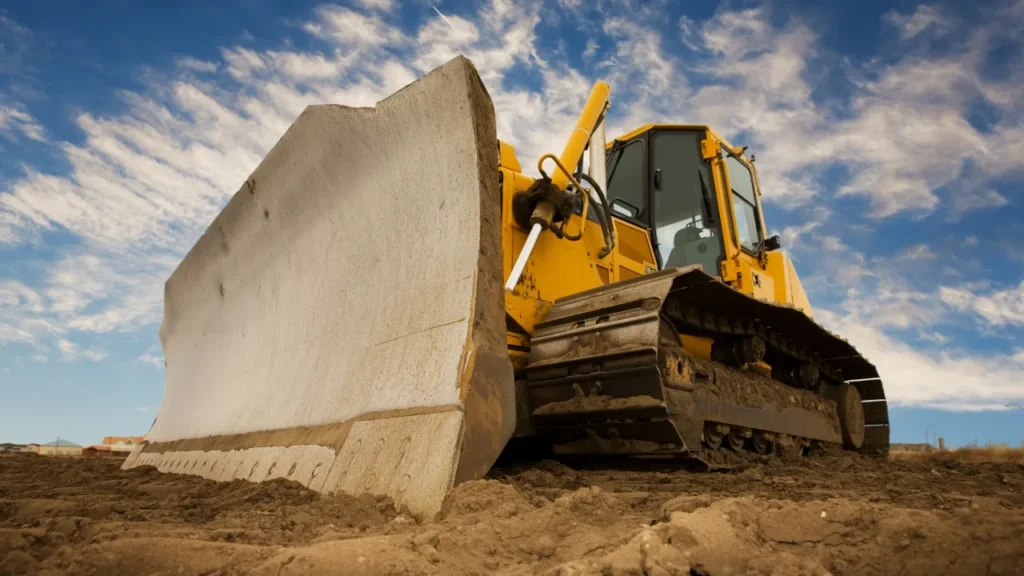
While the out-of-production Komatsu D575A holds the record, the Caterpillar D11 is effectively the king of active mine sites today. It offers the best balance of size, parts availability, and dealer support. When you perform a D11 dozer size comparison against active market machines, the D11 and Komatsu D475A stand alone at the top.
How Much Does Caterpillar D11 Cost?
Pricing for a machine of this magnitude varies wildly based on age, component history, and location.
Price of New Caterpillar D11
A brand new Caterpillar D11 is a significant capital expenditure. Depending on the configuration (standard vs. carrydozer), emissions packages, and tech add-ons, a new unit typically costs between $2.2 Million and $3.5 Million.
Used D11 Price Range
Most buyers look to the secondary market. Below is a breakdown of what you can expect to pay for a used D11 dozer.
| Year | Condition | Hours | Typical Price Range |
|---|---|---|---|
| 2020 – 2024 | Excellent | 2,000 – 6,000 hrs | $1,800,000 – $2,500,000 |
| 2015 – 2019 | Good | 8,000 – 15,000 hrs | $900,000 – $1,600,000 |
| 2005 – 2014 | Fair / Rebuild | 15,000 – 30,000 hrs | $300,000 – $800,000 |
| Older Models | Core / High Hour | 30,000+ hrs | $120,000 – $250,000 |
Total Cost of Ownership
The purchase price is just the entry fee. When calculating D11 dozer price implications, you must factor in operating costs.
- Fuel: A D11 working hard can burn 40 to 50 gallons of diesel per hour.
- Undercarriage: A full undercarriage replacement on a D11 can cost over $150,000. This is the single highest maintenance cost.
- Transport: Moving a D11 requires dismantling the blade, ripper, and ROPS, and using multiple heavy-haul trucks.
Caterpillar D11 Performance and Productivity
The Caterpillar D11 is bought for one reason: production volume.
Engine and Powertrain
The heart of the D11 is the Cat C32 engine. It is a V12 diesel powerhouse. The torque rise is designed to handle extreme loads; when the blade hits a hard rock vein, the engine does not stall — it digs in. The torque divider acts as a hydrodynamic component between the engine and transmission, damping shock loads and multiplying torque.
Blade Options and Productivity
- U-Blade (universal): Large wings allow it to carry huge loads over long distances. Best for pushing coal or light overburden.
- SU-Blade (semi-universal): Higher penetration force. Better for tightly packed material and rock.
- Carrydozer blade: Specialized for moving larger volumes of loose material.
Undercarriage and Durability
The elevated sprocket design (High Drive) keeps the final drives out of the mud and abrasive rock. This extends the life of the drivetrain seals and bearings. However, the sheer D11 dozer weight puts immense stress on rollers and idlers. Regular measurement of track wear is mandatory.
Fuel Efficiency and Smart Technology
Modern D11s are not just brute force; they are smart.
- Auto carry: Automatically adjusts blade height to maintain optimal track slip.
- Cat grade: Global Positioning System (GPS) systems that allow the operator to cut to exact design elevations without stakes.
Is D11 Right Dozer for Your Job?
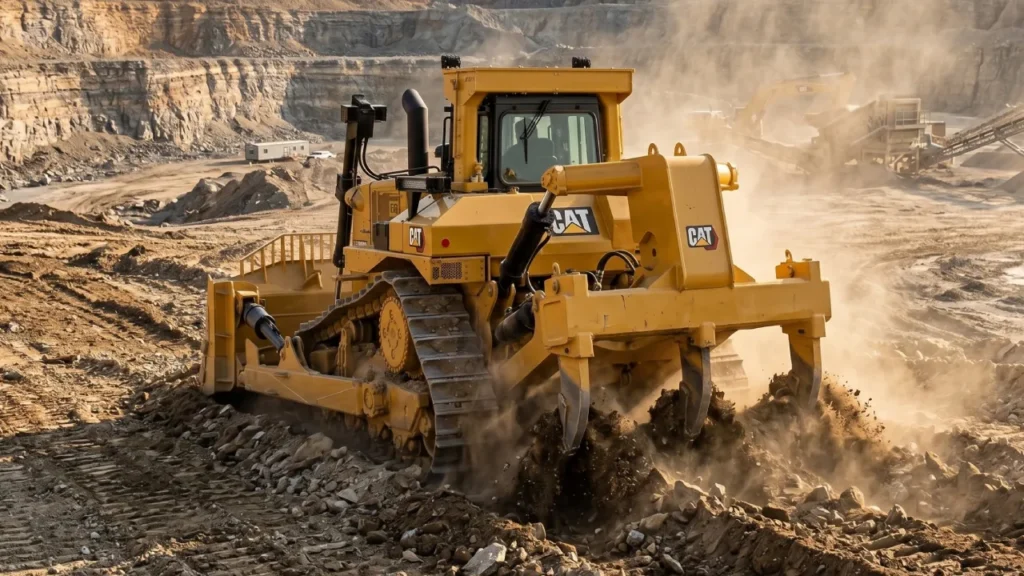
If you are asking how much does a bulldozer weigh because you are worried about trailering it with a standard lowboy, the D11 is not for you.
- Choose D11 if: You are in open-pit mining, large quarrying, or massive land reclamation projects where millions of cubic yards of earth must move.
- Choose D10 or D9 if: You need high production but require easier transport between sites.
- Choose D8 or smaller if: You are doing general construction, road building, or site prep.
Tips for Buying Used Caterpillar D11
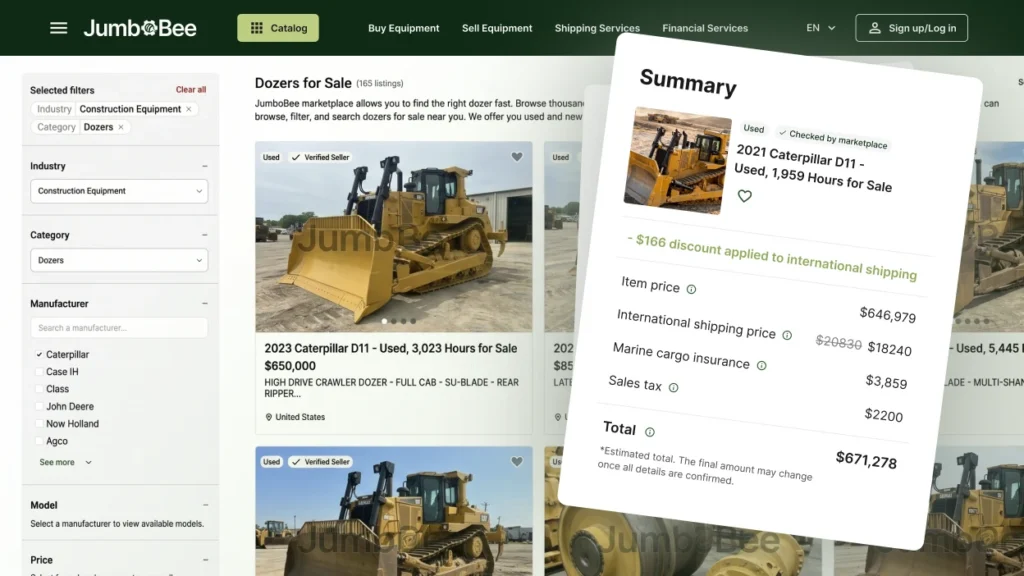
Buying a used D11 is a high-stakes transaction. Here is how to protect your investment.
- Inspecting undercarriage: This is the deal-breaker. Measure the rail height, bushing wear, and grouser height. If the Cat D11 weight in tons has ground the undercarriage down to 10% life, you are facing a massive repair bill immediately.
- Telematics and ECM reports: Ask for the Product Link or Electronic Control Module (ECM) download. This tells you fuel burn rates (indicates how hard it was worked), overheat alerts, and transmission abuse events.
- Checking maintenance records: A D11 without records is a gamble. Look for proof of mid-life rebuilds on the C32 engine and final drives.
- Verifying frame integrity: Look for welding repairs on the main frame, specifically around the equalizer bar pins and the ripper mounts. Cracks here can be fatal to the machine.
Conclusion
The Caterpillar D11 bulldozer remains the industry standard for high-volume earthmoving. While it comes with a high price tag and logistical challenges due to the massive D11 dozer weight, its productivity is unmatched in the mining sector. Whether you are comparing the D11 dozer size comparison charts or calculating cost-per-ton, the D11 usually wins on large-scale projects.
If you are in the market for a D11, or need to compare it against other heavy equipment, JumboBee is your partner. We don’t just list equipment; we verify sellers and handle the complex logistics of shipping heavy machinery worldwide.
The operating weight of a Caterpillar D11 ranges from 229,000 to 248,500 pounds (104 to 112 metric tons), depending on attachments like rippers and blade types.
No, the biggest dozer ever produced was the Komatsu D575A-3. However, the D11 is currently one of the largest production dozers actively sold and supported globally.
A new Caterpillar D11 typically costs between $2.2 million and $3.5 million, varying based on dealer location, taxes, and specific mining configurations.
The D11 is significantly larger. In a Cat dozer size comparison, the D11 weighs about 50% more than the D10 and offers roughly 300 more horsepower, allowing for much higher production rates.
When people ask how much does a bulldozer weigh, the answer varies from 8 tons (small D3) to over 110 tons (D11). A standard construction dozer (D6 size) weighs around 20–25 tons.
The D11 is powered by the Cat C32 ACERT engine, a V12 diesel engine capable of producing up to 915 gross horsepower.
Yes, the Caterpillar D11 is specifically engineered for mining. Its size, weight, and ripping capability make it the primary tool for stripping overburden and ripping rock in mines worldwide.





Be the first to leave a comment
There are no replies to this post yet. Share your thoughts and help start the conversation.