 Shipping
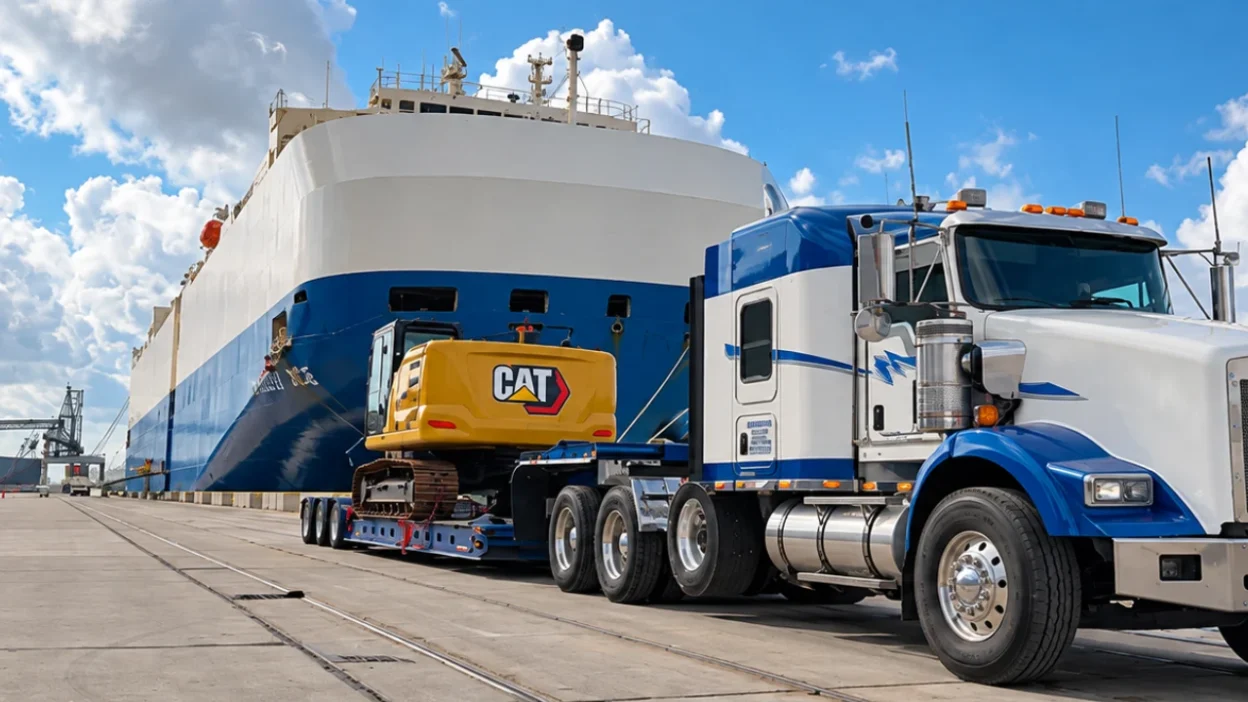
Global heavy machinery trade runs on one thing: accurate paperwork. Whether you are shipping a tractor to Egypt or a fleet of excavators to Ukraine, customs authorities rely on HS codes to identify exactly what is crossing their borders.
These codes dictate your import duties, clearance speed, and total landed costs. With today’s automated customs systems instantly flagging inconsistencies, guessing is no longer an option. The wrong machinery HS code guarantees trapped shipments, crushing storage fees, and unexpected tariffs.
This guide breaks down everything you need to know about heavy equipment classification. We will cover real-world scenarios, common mistakes, and how to get your coding right the first time — protecting your bottom line and keeping your global sales moving.
What Are HS Codes?
Harmonized Commodity Description and Coding System, commonly known as the Harmonized System, is an internationally standardized system of names and numbers used to classify traded products. World Customs Organization developed and maintains this framework, which over 200 countries use as the basis for their customs tariffs and international trade statistics.
Think of this system as a universal language for global trade. Customs officers in Mongolia might not speak English, and port officials in the United States might not speak Mongolian, but both instantly recognize specific six-digit numbers representing agricultural tractors.
First six digits of any code are globally standardized. Countries then add extra digits, usually bringing the total to eight or ten, to establish their own national tax rates, import restrictions, or statistical tracking categories. When exporting construction machinery, getting these numbers right ensures authorities immediately understand machine function, power source, and intended industry use.
Why HS Codes Matter in Heavy Equipment Shipping
Assigning correct heavy equipment export codes is not just a paperwork formality. It is a critical operational requirement that dictates how your cargo moves across physical borders. Incorrect classification triggers a domino effect of logistical nightmares.
Customs clearance speed depends heavily on accurate classification. When border agents see a code that perfectly matches the commercial invoice description, bill of lading, and packing list, cargo moves swiftly. When numbers conflict with machine descriptions, systems automatically flag the shipment for manual review.
Import duties and taxes are calculated exclusively based on these numbers. One specific code might carry a zero percent import duty under a free trade agreement, while a slightly different code for a nearly identical machine might incur a fifteen percent tariff.
Customs inspections become highly likely when classification seems suspicious. If you classify a massive 40-ton tracked excavator using a code meant for a small pedestrian-controlled tractor, port authorities will physically open containers or halt Roll-on/Roll-off loading. Physical inspections cost money, and customs authorities pass those inspection fees directly to the importer or exporter.
Insurance and cargo valuation also rely on proper documentation. Marine cargo insurance providers need exact classifications to assess risk. If a vessel encounters rough weather and your machinery suffers damage, insurance adjusters will scrutinize your export paperwork. Misclassified cargo can lead to denied insurance claims.
How Heavy Equipment Is Typically Classified
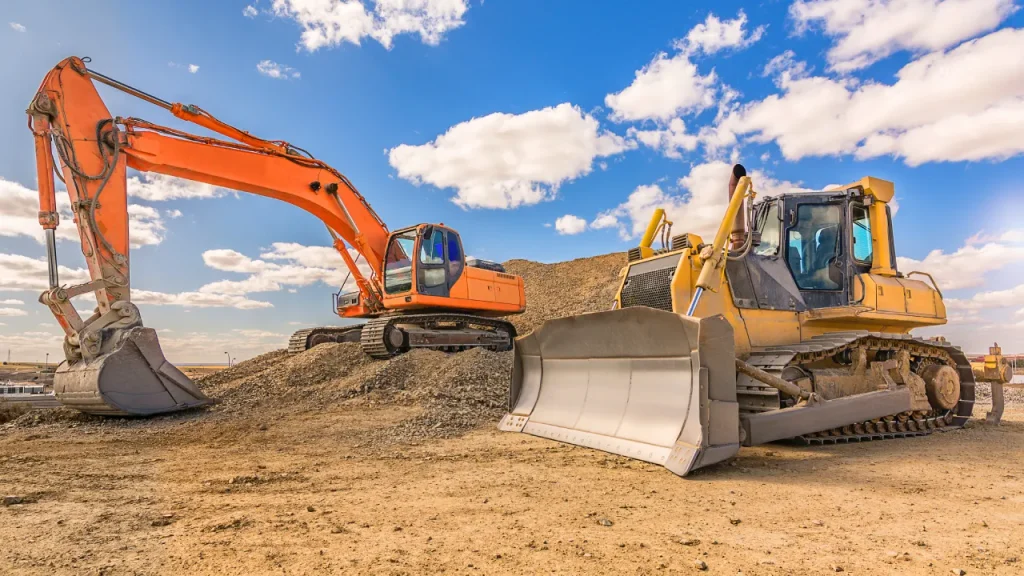
Machinery classification generally falls into two primary chapters of the Harmonized System tariff schedule. Chapter 84 covers nuclear reactors, boilers, machinery, and mechanical appliances. Chapter 87 covers vehicles other than railway or tramway rolling stock.
Construction equipment like excavators, bulldozers, wheel loaders, and motor graders almost always fall under Chapter 84. These machines are defined by their mechanical function, such as moving earth, lifting heavy loads, or grading soil.
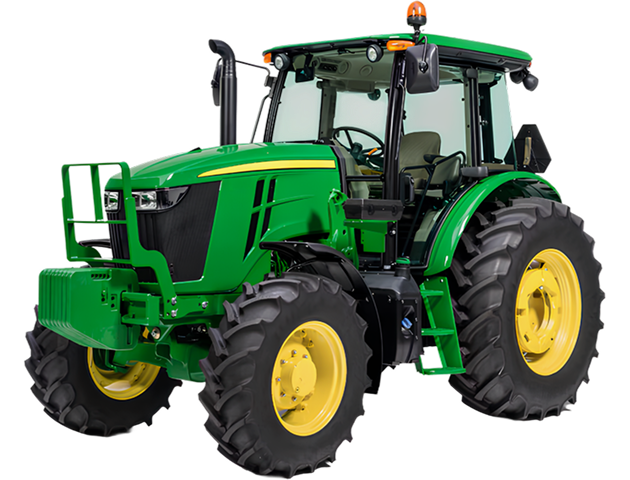
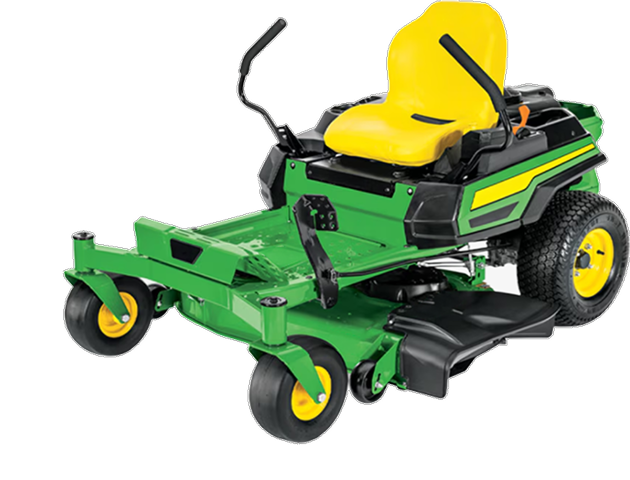
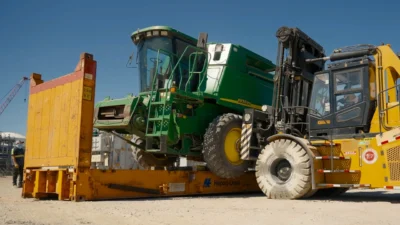
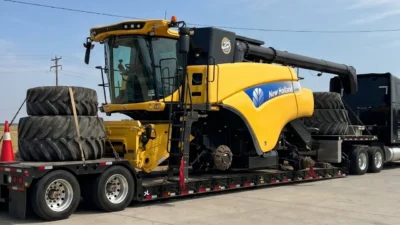
Agricultural machinery spans multiple categories depending on function. Combine harvesters and balers typically land in Chapter 84 because their primary purpose is mechanical harvesting. However, agricultural tractors often fall under Chapter 87 because authorities classify them primarily as vehicles designed to pull or push other machinery.
Industrial machinery, diesel generators, and stationary power equipment also live within Chapter 84. Authorities look closely at power output and continuous wattage ratings to determine the exact sub-category.
Mastering equipment export classification requires understanding that customs authorities care more about what a machine actually does than what a manufacturer calls it. Primary machine function always dictates the overarching category.
Why Equipment Specifications Matter for HS Classification
Two machines sitting side by side on a dealer lot might look identical to a casual observer but require entirely different customs classifications. Authorities demand highly specific technical details to assign the correct construction equipment HS code.
Horsepower and engine output serve as major dividing lines. Many tariff schedules separate machines based on engine power. A tractor producing 50 horsepower will often have a different ten-digit code than a tractor producing 350 horsepower. Customs authorities use these power thresholds to differentiate between compact residential equipment and heavy commercial machinery.
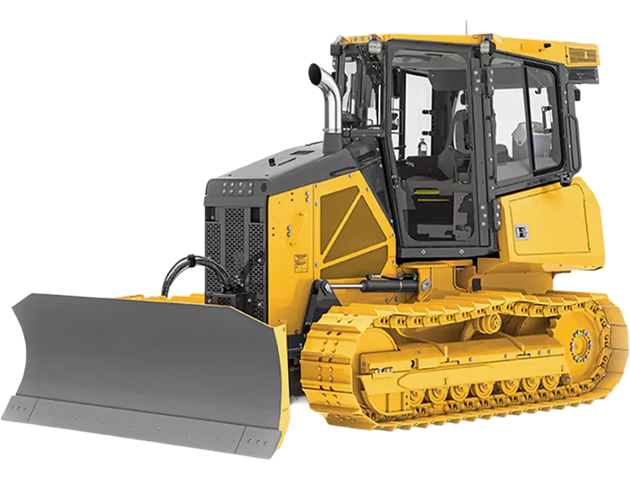
Undercarriage type drastically changes classification. Tracked machines, often called crawler equipment, move differently and impact ground surfaces differently than wheeled machines. Tariff schedules explicitly separate crawler excavators from wheeled excavators, and crawler bulldozers from wheeled dozers.
Lifting capacity determines crane classification. Mobile cranes must be classified based on their maximum metric ton lifting capability.
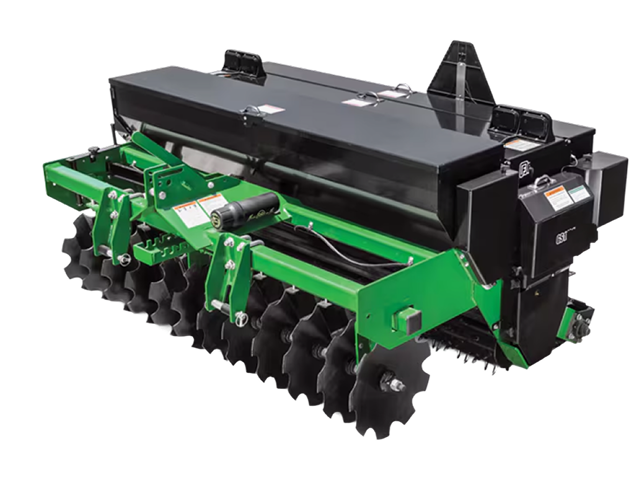
Self-propelled machinery receives different treatment from towable equipment. A self-propelled motor scraper has an engine and drives itself, placing it in one category. A pull-type scraper towed behind a tractor lacks its own propulsion, placing it in an entirely different category for non-motorized earthmoving attachments.
Common HS Code Categories for Heavy Equipment
Identifying the correct machinery export HS codes requires consulting the official tariff schedule of the destination country. Below is a practical comparison showing how different machines fall into distinct international numerical categories.
| Machine Type | Example International Base Code | Primary Determining Factor |
|---|---|---|
| Tracked Excavators | 8429.52 | 360-degree revolving superstructure |
| Wheeled Loaders | 8429.51 | Front-end bucket loading function |
| Crawler Bulldozers | 8429.11 | Tracked undercarriage with front blade |
| Agricultural Tractors | 8701.90 | Engine power and pulling capacity |
| Motor Graders | 8429.20 | Self-propelled grading function |
| Forklifts | 8427.20 | Self-propelled lifting capability |
| Diesel Generators | 8502.11 | KVA power output rating |
| Combine Harvesters | 8433.51 | Agricultural harvesting function |
Finding the correct excavator HS code requires knowing if the superstructure revolves a full 360 degrees. Finding the correct bulldozer HS code requires confirming if the machine rolls on tracks or tires. Finding the correct tractor HS code requires verifying engine horsepower and intended agricultural use.
How Attachments and Mixed Equipment Shipments Are Classified
Shipping a bare machine is relatively straightforward. Shipping a machine bundled with multiple attachments creates significant classification challenges. An accurate HS code for machinery must reflect exactly how the cargo is presented to customs.
Integrated attachments permanently welded or pinned to the machine usually fall under the primary machine code. If you ship a wheel loader with a standard bucket attached, customs typically views this as a single complete unit.
Detached attachments shipped in the same container or on the same flatrack often require separate classifications. If you sell a used skid steer and include a separate pallet containing a hydraulic hammer, an earth auger, and a set of pallet forks, you cannot simply lump everything under the skid steer code.
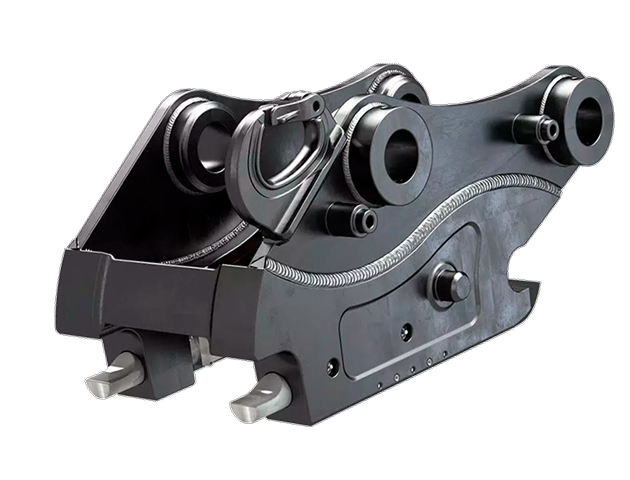
Hydraulic hammers, buckets, grapples, and trenchers have their own specific categories, usually found later in Chapter 84 under parts for earthmoving machinery.
Mixed equipment shipments demand itemized packing lists. If you stuff a 40-foot High Cube container with two mini excavators, four extra buckets, and a crate of spare engine filters, your commercial invoice must list distinct codes for the excavators, the buckets, and the filters. Failing to itemize attachments leads to immediate customs holds and demands for documentation revision.
How Used Equipment Classification Becomes More Complex
Global marketplaces like JumboBee handle thousands of used equipment transactions annually. Assigning HS codes for heavy equipment becomes significantly more complex when machines are no longer brand new.
Used machinery often faces intense customs scrutiny. Many countries heavily regulate or outright ban the importation of machinery older than ten years to protect local environments from high-emission engines. Proper classification helps authorities determine if the machine falls under specific environmental restrictions.
Dismantled equipment creates unique challenges. To save on ocean freight costs, buyers often request that sellers remove wheels, detach cabs, and unpin booms so a massive machine fits inside a standard shipping container instead of requiring expensive Roll-on/Roll-off transport. Customs rules generally state that an incomplete or unfinished machine still carries the classification of the complete machine, provided it has the essential character of the complete item.
Rebuilt or modified machines complicate valuation. If a buyer purchases a 2018 John Deere 333G but the seller installs a brand-new engine before export, the classification might remain the same, but the customs valuation changes drastically.
Salvaged or scrap equipment destined for parts stripping cannot always be classified as functional machinery. If a machine is completely inoperable and bought solely for scrap metal, it might fall under waste and scrap codes rather than machinery codes.
Common HS Code Mistakes Exporters Make
Even veteran sellers make critical export errors. A single wrong digit can ruin a profitable deal.
Avoid these common classification traps:
- Copy/pasting old paperwork: Tariff schedules update constantly. Reusing an old invoice with a retired HS code guarantees a customs rejection.
- Judging by appearance: A telehandler might look like a mobile crane, but customs classifies it as a forklift. Always classify by function, not appearance, to avoid incorrect duty assessments.
- Guessing: Relying on casual internet searches instead of official customs databases is a fast track to financial loss.
- Inconsistent documents: If your commercial invoice doesn’t perfectly match your freight forwarder’s export declaration, automated systems will instantly freeze your shipment.
The true cost? Paperwork errors don’t just cause headaches; they drain your margins. When inconsistencies trap your machinery at the port, daily storage fees (demurrage) rapidly accumulate. A simple wrong code can trigger weeks of reclassification delays — costing you thousands of dollars before your equipment ever clears customs.
Why HS Codes May Differ Between Countries
International trade relies on a harmonized foundation, but local governments maintain ultimate control over their borders. Exporters must understand how heavy equipment export codes shift depending on the destination.
Universal six-digit root remains constant globally. If you ship a crawler excavator from the United States to Egypt, the first six digits will be 8429.52 in both countries.
National extensions create variations. United States uses a ten-digit Schedule B number for exports and a ten-digit Harmonized Tariff Schedule number for imports. European Union uses an eight-digit Combined Nomenclature code for basic tariffs and a ten-digit TARIC code for specific trade measures.
Customs interpretation differences happen frequently. One country might look at a heavy-duty dump truck designed for off-highway mining and classify it strictly as earthmoving equipment. Another country might look at the exact same truck and classify it as a commercial road vehicle.
Regional trade agreements also influence national coding structures. Countries participating in specific economic zones often create unique sub-codes to track goods qualifying for duty-free treatment under those specific treaties.
Why Accurate HS Codes Matter Before Buying Equipment Internationally
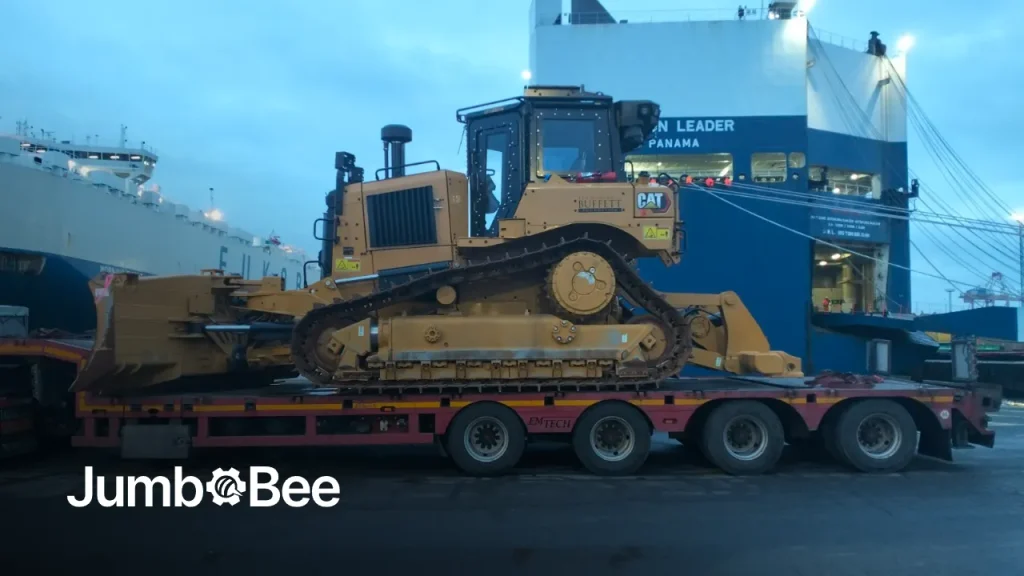
Experienced international buyers never purchase machinery without confirming the exact import classification. Knowing your equipment’s official code is the only way to avoid catastrophic surprises at the border.
Here is why confirming your classification is non-negotiable:
- Calculate true landed costs: The sticker price is just the beginning. Accurate codes let you calculate the actual final bill: purchase price + ocean freight + marine insurance + port handling + import duties + VAT.
- Identify hidden import restrictions: Specific codes trigger strict regulations. For example, used agricultural equipment often requires phytosanitary certificates proving it is completely free of foreign soil. Miss this code-specific rule, and your machinery could be denied entry and shipped back to the origin country.
- Secure accurate financing: Banks require exact delivered costs to approve equipment loans. If a misclassification causes your duty rate to suddenly jump from 5% to 20%, you will face a severe cash flow crisis right at the destination port.
Why HS Codes Matter When Selling Equipment Internationally Online
Digital equipment marketplaces have transformed how dealerships and private sellers reach global audiences. When you list a machine on JumboBee, buyers from over 100 countries can view your inventory. Providing accurate machinery export HS codes directly on your listings or shipping estimates builds immediate buyer trust.
International buyers evaluate import costs before hitting the purchase button. If a buyer in Mongolia wants to buy a 2023 John Deere 9R 440 located in the United States, they need to know exactly how much customs will charge them upon arrival.
Export transparency accelerates sales. Sellers who understand basic classification demonstrate professionalism. When a seller can confidently tell a foreign buyer the expected harmonized code, the buyer feels secure knowing the seller understands international logistics.
Smoother cross-border transactions rely on predictable costs. Nobody likes surprise invoices. Accurate classification provides landed cost visibility, ensuring the buyer has the necessary funds ready when the vessel docks. Export-ready listings ultimately create stronger buyer confidence, leading to faster negotiations and higher final sale prices.
HS Codes and Heavy Equipment Duties & Taxes
Understanding the direct mathematical relationship between classification and taxation helps buyers and sellers negotiate better deals. Proper construction equipment HS code assignment determines exactly how much money goes to the destination government.
Tariffs represent direct taxes applied to imported goods. Governments use tariffs to protect domestic manufacturing or generate revenue.
Value-Added Tax and Goods and Services Tax apply to the total imported value. Most countries calculate VAT based on the CIF value. CIF stands for Cost, Insurance, and Freight.
Consider a calculation scenario for a used bulldozer:
- Machine Purchase Price: $100,000
- Ocean Freight: $5,000
- Marine Insurance: $500
- Total CIF Value: $105,000
If the correct classification yields a 0% duty rate due to a free trade agreement, the buyer pays $0 in tariffs. If the destination country charges 10% VAT, the buyer pays $10,500 in taxes. Total landed cost equals $115,500.
If incorrect classification yields a 10% duty rate, the buyer pays $10,500 in tariffs. The new taxable value becomes $115,500. A 10% VAT on the new value equals $11,550. Total landed cost jumps to $127,050.
A simple paperwork mistake just cost the buyer over $11,000 in unexpected government fees.
| Cost Component | Correct Classification (0% Duty) | Incorrect Classification (10% Duty) |
|---|---|---|
| CIF Value | $105,000 | $105,000 |
| Import Duty | $0 | $10,500 |
| Taxable Base | $105,000 | $115,500 |
| VAT (10%) | $10,500 | $11,550 |
| Total Landed Cost | $115,500 | $127,050 |
How Exporters Can Verify Machinery HS Codes
Guessing is never an acceptable logistics strategy. Exporters have multiple reliable methods to verify the correct HS code for machinery before booking ocean freight.
Official tariff databases provide the most accurate information. United States exporters use the Census Bureau Schedule B search engine. European importers use the TARIC database. These digital tools allow users to search by keyword, machine function, or technical specification.
Customs rulings databases offer historical precedent. If you are unsure how to classify a highly specialized articulating dump truck, you can search public customs rulings to see how authorities classified identical machines in past shipments.
Manufacturer documentation serves as an excellent starting point. Major equipment brands like Caterpillar, John Deere, and Case IH maintain dedicated trade compliance departments. Original equipment specification sheets often list suggested international classification numbers.
Import-country verification remains the gold standard. Smart exporters ask the buyer to confirm the exact ten-digit code with their local destination customs broker before the machinery ever leaves the seller yard.
HS Codes, Shipping Documents & Customs Clearance
Numerical classifications must appear consistently across an entire suite of export and import paperwork. Missing or conflicting HS codes for heavy equipment will paralyze a cross-border transaction.
Commercial invoices serve as the primary financial document. Every line item on the invoice must include a clear description, the machine serial number, the value, and the corresponding harmonized code.
Packing lists detail physical cargo attributes. While packing lists focus on weights, dimensions, and container numbers, including the classification code helps port workers cross-reference the physical cargo with the financial documents.
Bills of lading act as the contract of carriage and receipt of cargo. Ocean carriers require exporters to provide the classification code during the shipping instruction phase so they can submit advance cargo manifests to destination customs authorities.
Export filings require strict digital compliance. United States exporters must submit their data through the Automated Export System. The system will instantly reject any filing containing an invalid or expired Schedule B number.
Practical Export Checklist Before Shipping Heavy Equipment
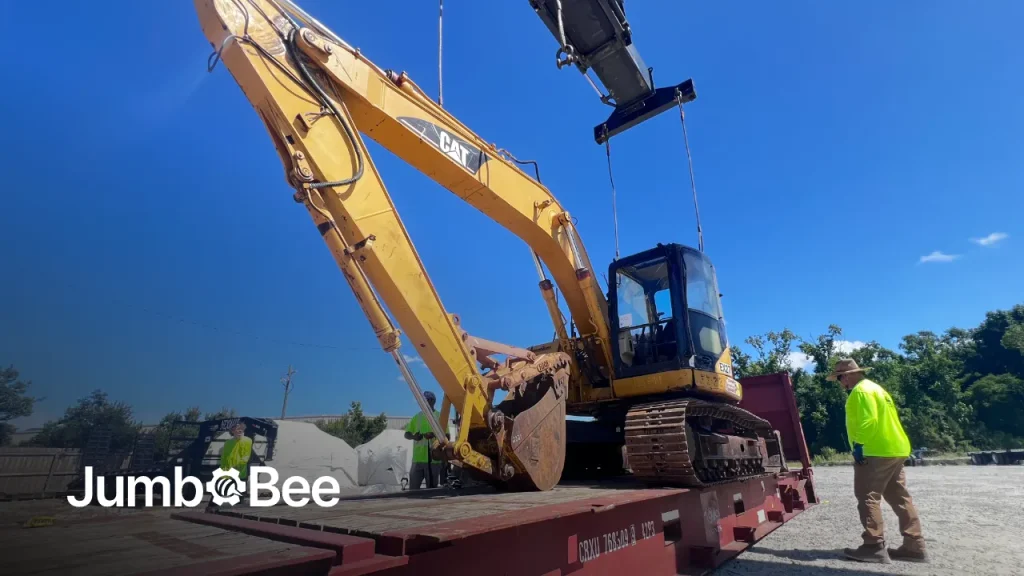
Preparation prevents port delays. Use this operational checklist to ensure your machinery HS code and export documentation align perfectly before booking transport.
- Verify machine serial numbers against physical data plates to ensure invoice accuracy.
- Confirm equipment configuration and note any modifications that might alter primary function.
- Identify all included attachments and determine if they require separate itemization on the invoice.
- Validate destination-country requirements regarding age restrictions or environmental emissions standards.
- Review document consistency across commercial invoices, packing lists, and transport booking instructions.
- Confirm used or rebuilt equipment status and ensure valuation reflects current market conditions.
- Verify classification codes with destination customs brokers before finalizing ocean freight bookings.
- Check for hazardous materials like residual fuel, hydraulic fluid, or heavy-duty batteries that require separate declarations.
Why Export Readiness Matters in Global Equipment Marketplaces
Global equipment trade moves rapidly. Buyers browsing international listings want machines they can put to work immediately, not logistical headaches. Export readiness separates successful global sellers from local-only dealers.
Buyers prefer export-ready sellers. When a seller already knows their heavy equipment export codes, has clean titles, and understands basic shipping requirements, international buyers feel safe transferring large sums of money across borders.
Documentation confidence speeds up negotiations. If a buyer asks for a shipping quote and the seller immediately provides a comprehensive estimate including freight, insurance, and accurate duty projections, the buyer makes decisions faster.
Reduced shipping uncertainty creates better buyer experiences. Marketplaces thrive on trust. When machinery arrives at the destination port and clears customs in twenty-four hours because the paperwork was flawless, buyers return for future purchases. Operational preparedness directly drives repeat international business.
How Logistics Partners Help Reduce Classification Risks
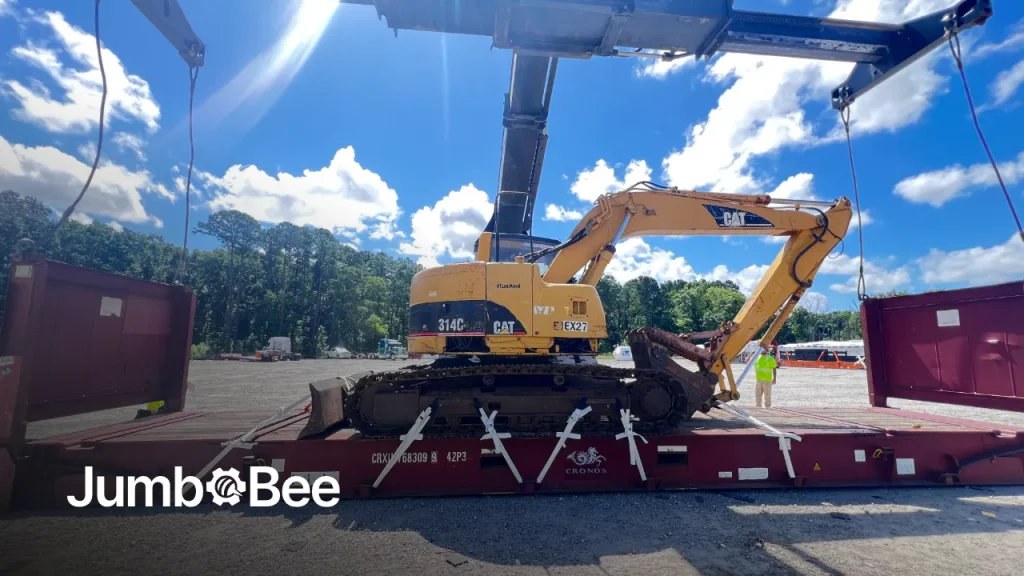
Navigating tariff schedules is an expert’s game. Partnering with heavy machinery logistics specialists removes the guesswork and protects your profit margins.
Here is how the right team keeps your cargo moving:
- Freight forwarders pre-screen: They catch outdated codes, mismatched serial numbers, and vague descriptions before your cargo hits the port, stopping penalties before they happen.
- Customs brokers fight for you: They understand local regulations and will legally defend your classification if a border agent tries to push your machine into a higher tax bracket.
- Machinery specialists know the gear: They actually understand the difference between a wheel loader and a skid steer. They know exactly how to document dismantled parts, handle bundled attachments, and ensure smooth Roll-on/Roll-off delivery.
Final Thoughts
Mastering global trade comes down to one thing: precision. Getting your machinery’s HS code right ensures a fast, legal, and profitable crossing. Getting it wrong guarantees operational bottlenecks, severe financial penalties, and ruined buyer trust.
Take the headache out of heavy equipment logistics.
JumboBee combines a worldwide marketplace with built-in shipping, customs clearance, and compliance support.
- Buyers: Explore our global inventory with complete confidence.
- Sellers: List your machinery today and let our expert logistics partners handle the complex paperwork.
No matter which side of the deal you are on, JumboBee keeps your business moving without borders.





Be the first to leave a comment
There are no replies to this post yet. Share your thoughts and help start the conversation.