 Selling
Offloading aging machinery is one of the most critical financial decisions you will make. In 2026, you are no longer trapped into trading your old iron at the local dealership for a fraction of its true value. Modern digital marketplaces have transformed the industry, giving you direct access to buyers across the globe.
Choosing the right exit strategy comes down to your immediate business priorities: Are you chasing absolute maximum profit, or do you need lightning-fast liquidity? This guide breaks down the critical differences between traditional dealer networks and global digital platforms. Complete with real-world calculations and current market realities, we will show you exactly how to maximize the return on your heavy machinery investment.
What Is Heavy Equipment Trade-In?
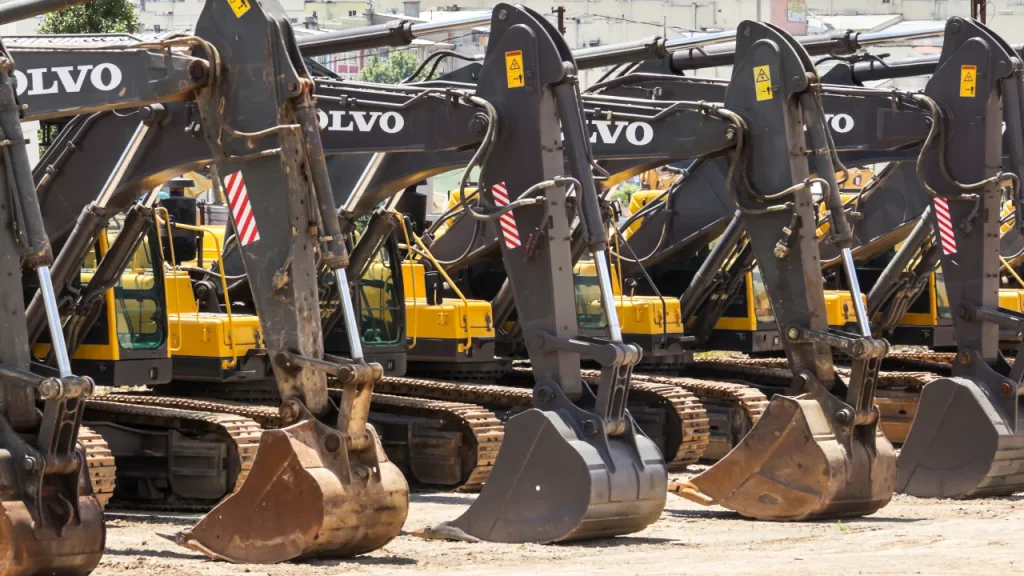
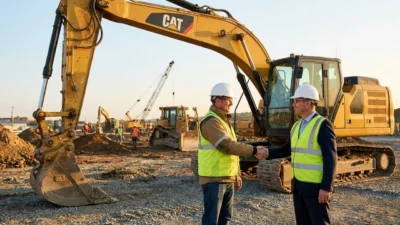
Dealer trade-ins operate on a very straightforward premise. You offer your current machinery to a dealership, and they apply its agreed-upon value as a credit toward the purchase of new or newer equipment. Dealerships handle the evaluation, process the paperwork, and take ownership of your old machine, which they will eventually service and resell on their own lot.
Contractors, fleet managers, and agricultural professionals frequently utilize this method for its sheer simplicity. When a major infrastructure project demands zero downtime, swapping an old wheel loader for a brand-new model in a single afternoon keeps the job site running.
Common scenarios for utilizing this method include:
- Upgrading fleet capabilities to meet new 2026 environmental compliance standards
- Replacing aging equipment that requires excessive maintenance
- Financing new purchases by using older machines as a down payment
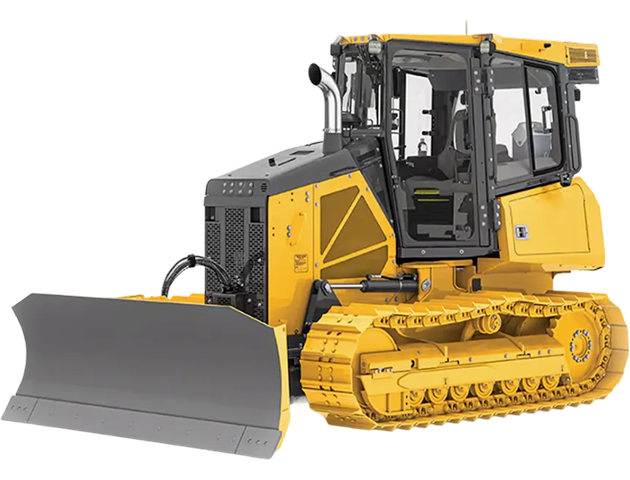
Consider a mid-sized construction firm needing to cycle out three older bulldozers. Managing the sale of three massive machines takes time. By bringing them to a local dealer, the firm sidesteps the marketing process entirely, signs a single contract, and walks away with new models ready for the dirt. The convenience factor is the primary reason this traditional model has survived for decades.
What Does Selling Heavy Equipment Online Mean Today?
Modern digital selling has evolved drastically beyond the basic local classified ads of the past. Today, when you sell equipment online, you are engaging with sophisticated, purpose-built global marketplaces designed specifically for industrial machinery.
These platforms connect sellers directly with end-users around the world. Instead of relying on a single local dealer to determine the value of your machine, you expose your asset to thousands of active buyers. This includes construction companies in developing nations, large-scale agricultural operations across different climate zones, and specialized contractors looking for exact machine configurations.
Modern platforms facilitate the sale of diverse assets, including:
- Construction equipment like excavators, skid steers, and articulated dump trucks
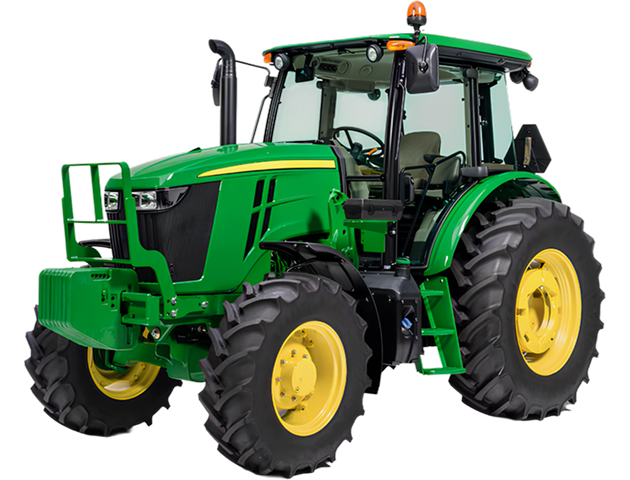
- Farm equipment like combine harvesters and high-horsepower tractors
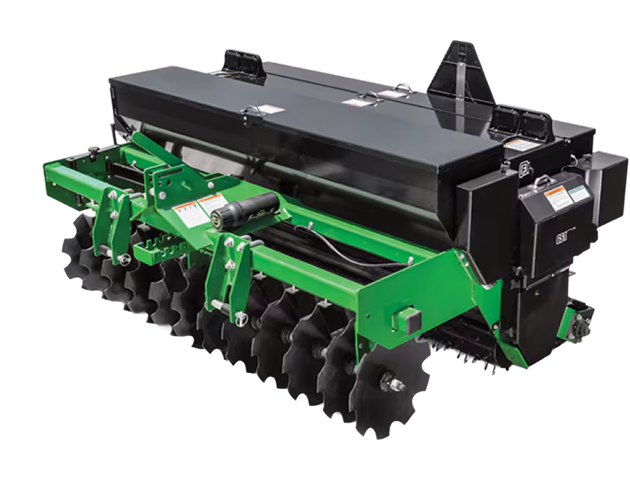
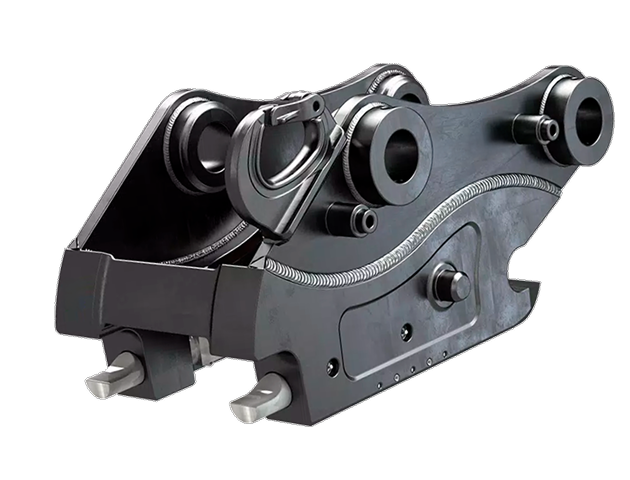
- Attachments ranging from hydraulic breakers to specialized planting implements
- Niche machinery designed for forestry, mining, or specialized material handling
In 2026, international buyer reach is easier than ever. Built-in global shipping tools, integrated customs compliance, and secure payment gateways mean you can sell used construction equipment to a buyer in Egypt or Mongolia just as easily as you can sell to a buyer in the neighboring state. You communicate directly with interested parties, negotiate terms on your own behalf, and retain total control over the final sale price.
Trade-In vs Selling Online: Key Differences
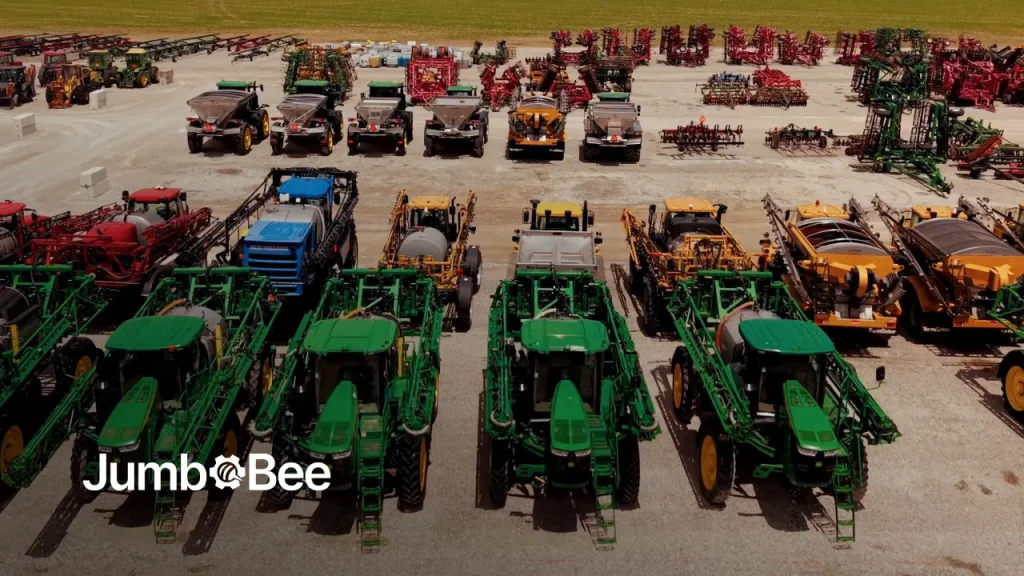
Understanding the structural differences between these two routes is essential for maximizing your financial return. Dealerships prioritize their own inventory needs, while digital platforms prioritize market exposure.
| Feature | Dealer Route | Digital Marketplace Sale |
|---|---|---|
| Speed | Immediate transaction upon agreement | Variable depending on market demand |
| Convenience | High convenience with single point of contact | Requires initial setup but offers streamlined tools |
| Pricing Flexibility | Low flexibility dictated by dealer margins | High flexibility determined by global market value |
| Buyer Reach | Limited to local dealership network | Unlimited global exposure |
| Negotiation Control | Seller accepts or rejects single offer | Seller negotiates directly with multiple buyers |
| Paperwork | Handled entirely by dealership staff | Facilitated by platform tools and support teams |
| Logistics | Seller transports to local dealer lot | Platform manages global shipping and customs |
| Listing Effort | Zero effort required from seller | Seller provides photos, videos, and specifications |
| Payment Structure | Value credited toward new purchase | Direct cash payment to seller |
Trade-ins may be simpler for sellers prioritizing convenience above all else, while online selling offers significantly more pricing flexibility and exposure to a broader audience willing to pay a premium.
Pros of Trading In Heavy Equipment
Opting for the dealership route offers distinct advantages for businesses that cannot afford administrative distractions.
- Faster transactions are the most obvious benefit. If a critical machine suffers a catastrophic failure and you need a replacement immediately, waiting weeks for an online buyer might not be feasible. Dealerships provide an instant solution.
- Simplified process mechanics also appeal to busy fleet managers. You do not need to clean the machine meticulously, take professional photographs, or answer inquiries from multiple potential buyers. You drop the machine off, sign the transfer documents, and drive away.
- Easier fleet upgrades happen naturally when you bundle the disposal of old assets with the acquisition of new ones. Financing integration allows dealers to roll the remaining balance of your old machine into the new loan, creating a seamless financial transition.
Finally, maintaining strong dealer relationships can be beneficial. Consistently doing business with a local distributor can sometimes lead to priority servicing, faster parts delivery, or preferential treatment during equipment shortages. If you are planning a tractor trade in to secure the latest precision agriculture technology, keeping that relationship strong might hold intangible value for your specific operation.
Cons of Equipment Trade-Ins
While convenient, relying on dealerships comes with significant financial compromises that every seller must understand. Frame these limitations as market structure realities, not dealer problems. Dealerships run expensive operations and must protect their own profitability.
Resale margin realities dictate that a dealer will never pay you retail market value for your machine. They must account for holding costs, mechanical reconditioning, lot space, sales commissions, and their own profit margin.
Local inventory demand limitations heavily influence your offer. If your local dealer already has five identical skid steers sitting on their lot, they will offer you a drastically reduced price for yours because they do not need the inventory.
Geographic restrictions also play a massive role. A dealer may value equipment differently depending on local demand, inventory levels, transportation considerations, and resale timelines. If you are trying to offload snow removal equipment in a region experiencing unusually warm winters, local dealers will penalize the valuation accordingly.
Furthermore, niche equipment challenges arise when you try to unload highly specialized machinery. Dealers prefer fast-moving, common units. If you bring them a machine with a rare configuration, they will heavily discount the offer to mitigate the risk of it sitting unsold for months. You experience lower negotiation flexibility because you are dealing with a single buyer who holds all the leverage. When considering a heavy equipment trade in, you are essentially paying a massive premium for convenience.
Pros of Selling Heavy Equipment Online
This is where modern sellers unlock the true financial potential of their fleets. By bypassing the local middleman, you tap into the actual market value of your machinery.
Broader buyer exposure completely changes the valuation math. Instead of relying on a single local dealer who might not need your machine, you present it to thousands of buyers who are actively searching for exactly what you have.
International demand is particularly lucrative in 2026. Due to strict EPA Tier 4 Final and European Stage V emissions regulations, older Tier 3 machinery is difficult to operate in highly regulated zones. However, buyers in South America, Africa, and parts of Asia desperately want these older, simpler, pre-emission machines because they are easier to maintain in remote areas. When you sell equipment online, you connect with these global buyers who are willing to pay top dollar for models that local US dealers consider obsolete.
Pricing flexibility allows you to test the market. You can set a premium price, observe the interest level, and adjust accordingly. You have the ability to compare offers from multiple interested parties, creating a bidding environment that drives the final price upward.
Seller control remains entirely in your hands. You field direct inquiries, answer specific questions about the machine’s history, and build trust with the end-user. Equipment discovery via search means buyers looking for exact specifications will find your listing instantly.
Examples of machinery that thrive in this environment include:
- Farm tractors with specific transmission setups
- Excavators with long-reach booms
- Low-hour machines that command near-new prices
- Rare configurations used in specialized forestry
- Export-demand equipment lacking modern complex emission systems
If you are wondering where to sell used equipment to get the absolute highest return, global digital marketplaces consistently outperform local options by connecting supply directly with targeted global demand.
Challenges of Selling Equipment Online
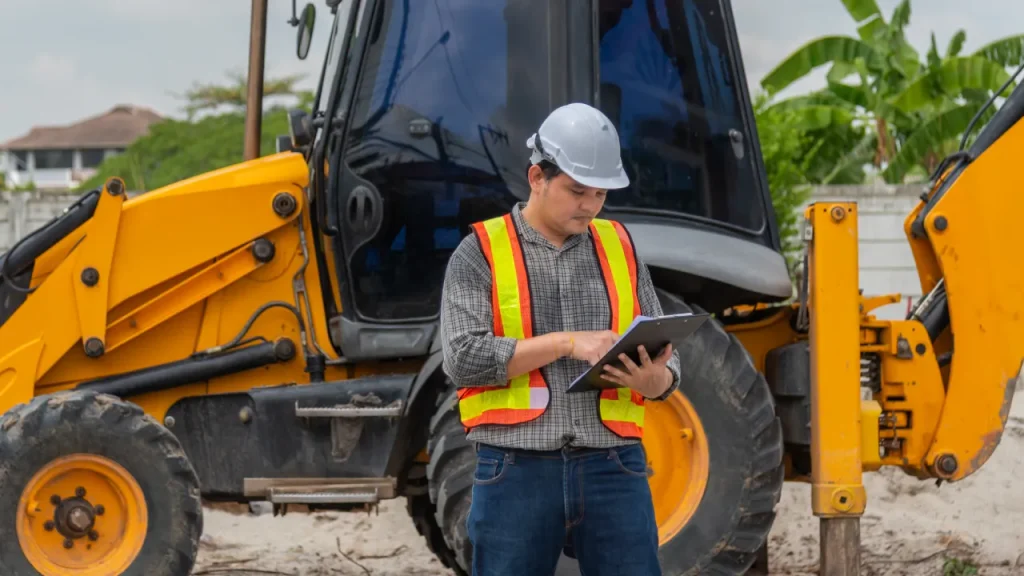
While digital platforms yield higher profits, selling online requires a strategic approach. If you rely on unmoderated classified sites, you assume significant risks and operational burdens:
- Listing quality is everything: Buyers cannot kick the tires. Poorly lit photos, vague descriptions, and missing maintenance records will immediately deter serious buyers.
- Pricing blind spots: Guessing your asking price without researching global market trends guarantees your machine will sit unsold.
- Time-consuming communication: You must be prepared to answer technical questions and negotiate with buyers promptly.
- Scams and logistics: Handling complex cross-border paperwork and weeding out fraudsters on unverified sites is a massive headache.
How Professional Marketplaces Remove the Friction
Top-tier digital marketplaces are engineered to eliminate these exact hurdles. Here is how they protect your time and money:
- User verification: Strict vetting ensures you only deal with legitimate, funded businesses — not scammers.
- Structured listings: Guided templates ensure you capture the exact data points and photos international buyers demand.
- Third-party inspections: Independent mechanics verify your equipment’s condition, building instant buyer trust without your direct involvement.
- Built-in shipping support: Integrated logistics and clear workflows handle the massive headache of moving a 40-ton machine across the globe.
Which Equipment Sells Better Through Trade-Ins vs Online Marketplaces?
Not every machine requires a global marketing campaign, and not every machine should be left on a dealer lot. Understanding market dynamics helps you route your assets effectively.
Better for dealership route:
- Common fleet equipment with high local demand
- High-turnover local demand units like standard mini-excavators
- Quick replacement cycles where uptime is the only metric that matters
- Machines with significant mechanical issues that you do not want to repair
Better for online global marketplaces:
- Low-hour machines that retain high residual value
- Specialty attachments that local buyers rarely need
- Export-popular equipment like older, pre-emission dozers
- Rare configurations built for specific industrial tasks
- Agriculture equipment in seasonal demand across different global hemispheres
If you are looking to execute a quick sell my tractor scenario for a standard, heavily worn utility tractor, a local dealer might be sufficient. But if you have a 2023 John Deere 9R 440 with low hours, handing it to a dealer means leaving tens of thousands of dollars on the table. A heavy equipment trade in for premium machinery rarely makes financial sense when global buyers are actively searching for that exact model.
How to Maximize Your Equipment Resale Value
Whether you sell to a local dealer or list on a global digital platform, how you present your machinery dictates your final return. Knowing where to sell is only half the battle; knowing how to prepare your equipment completes the strategy.
Follow this checklist to maximize your machine’s resale value:
- Deep clean everything: A machine caked in mud screams neglect. Power wash the exterior, detail the cab interior, and touch up minor cosmetic flaws.
- Provide digital maintenance records: Buyers pay massive premiums for documented service histories. In 2026, exporting maintenance logs directly from your fleet management software provides undeniable proof of proper care.
- Capture high-quality media: Take well-lit photos of every angle, including the undercarriage and engine bay. Record a video of a cold start, hydraulic operations, and driving. Transparency builds trust.
- Disclose flaws upfront: Accurately report machine hours and be honest about wear and tear. If a cylinder is weeping, mention it. Buyers appreciate honesty and will proceed if there are no hidden surprises.
- Highlight upgrades and attachments: Do not overlook the extras. Premium features like high-flow auxiliary hydraulics add serious value to your listing — make sure they stand out.
- Time your sale (seasonality): Align your listing with operational demand. Selling an asphalt paver in early spring yields a much higher price than listing it in late November.
When Hybrid Approach Makes Sense
Advanced fleet managers rarely rely on a single strategy. By combining both methods, you can guarantee a baseline return while actively hunting for a premium payout.
Getting trade-in quotes first establishes your absolute floor price. Take your machine to a local dealer and get their offer in writing. This number represents the absolute minimum you will accept.
Comparing with online market response is your next step. Take professional photos and list the machine on a global digital marketplace at a premium price.
Testing broader market demand costs you very little time. If you receive immediate inquiries at your premium price, you know the dealer offer was significantly undervalued.
Using online marketplaces before accepting lower offers is the most financially sound strategy. Let us look at a real-time calculation. Suppose a dealer offers you $280,000 for a tractor trade in. You list it online for $330,000. Within two weeks, you negotiate a direct sale for $315,000. Even after accounting for minor platform logistics or inspection costs, you have generated an additional $35,000 in pure profit simply by exposing the asset to a broader market.
This hybrid approach removes the anxiety from the process. If the online market is unusually slow and you need the space, you can always fall back on the dealer offer. But by taking a few days to test the global waters, you ensure you never execute a sell my tractor transaction blindly.
Final Thoughts
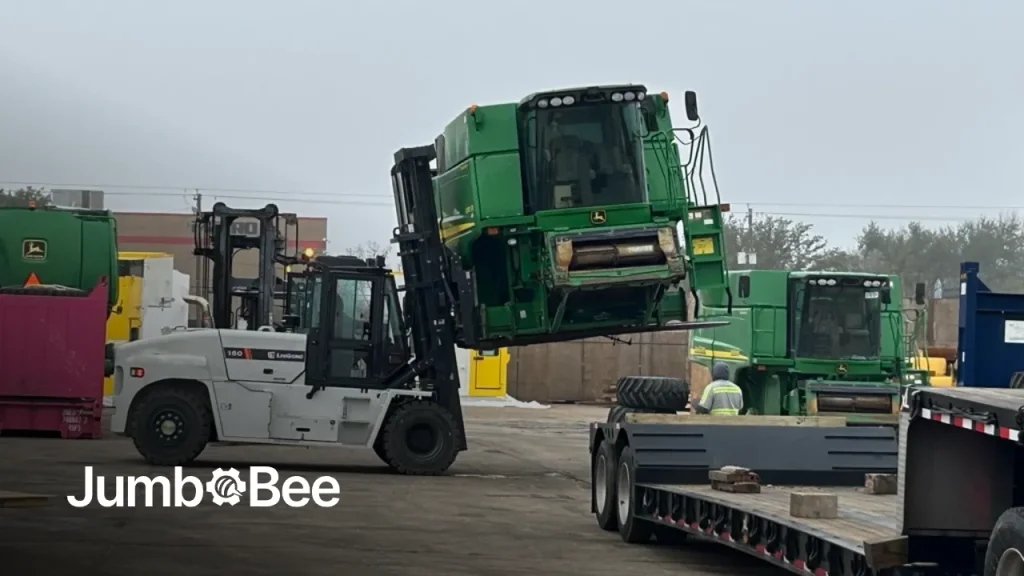
The choice is simple: prioritize immediate speed with a local dealer, or maximize your profit on a global marketplace. If you view your fleet as a critical financial asset rather than just a trade-in, digital platforms are the undeniable future.
When you are ready to command top dollar, you need a partner that removes the friction of international commerce. JumboBee is engineered specifically to connect you with verified buyers in over 100 countries.
Why sell your machinery on JumboBee?
- Zero cost to list: Absolutely no listing fees or hidden platform charges.
- End-to-end logistics: Built-in tools handle the complex global shipping and customs compliance for you.
- Secure transactions: Safe, guaranteed payments from vetted international businesses.
Stop settling for lowball local offers. Explore our farm equipment and construction equipment categories to see what your machinery is actually worth on the global market.
Register today, list your equipment, and let JumboBee help you trade smarter.





Be the first to leave a comment
There are no replies to this post yet. Share your thoughts and help start the conversation.