 Success Stories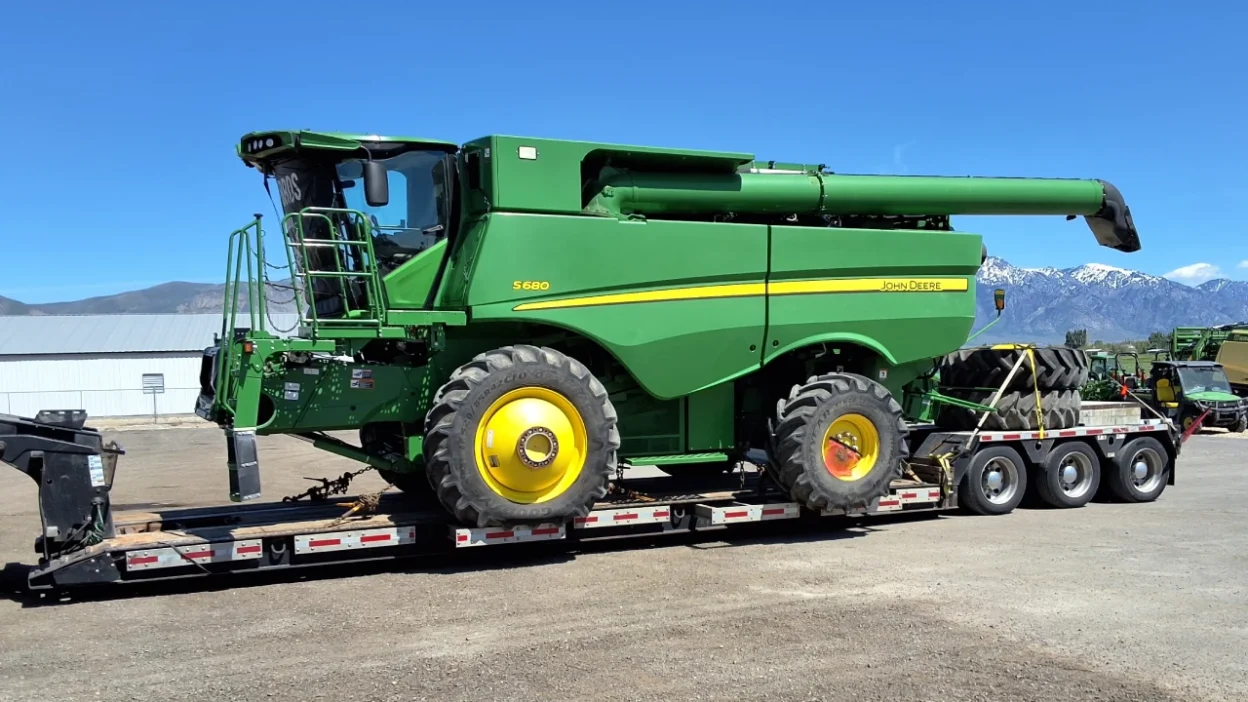
International buyers often look to the United States for high-quality used agricultural machinery. The U.S. market offers a wide selection of late-model equipment, competitive pricing, and well-documented machine histories. However, purchasing and exporting large agricultural machinery across continents requires careful coordination, regulatory compliance, and logistics expertise.
This case study explains how JumboBee managed the purchase, export preparation, and international transport of a John Deere S680 combine harvester from the United States to Argentina. From equipment verification and transaction management to phytosanitary preparation and RoRo ocean shipping, the project demonstrates how integrated logistics solutions reduce risk for international machinery buyers.
Project Overview
| Project Detail | Description |
|---|---|
| Equipment | John Deere S680 Combine + 645FD Header |
| Origin | Iowa, USA |
| Destination | Zárate Port, Argentina |
| Shipping Method | RoRo (Roll-on/Roll-off) |
| Estimated Weight | ~18 tons |
| Ocean Transit Time | ~24 days |
| Total Project Timeline | ~30–35 days |
This project involved the coordinated purchase and export of a large agricultural machine used for grain harvesting. JumboBee handled every operational stage – from seller verification to delivery coordination with partners in Argentina – ensuring the machine met import regulations and arrived safely at the destination port.
Client Profile
The client is an agricultural equipment dealer based in Argentina who regularly imports used machinery from the United States for resale and regional distribution. Dealers across Latin America frequently rely on the U.S. equipment market because it offers:
- A larger inventory of used agricultural machines
- Competitive prices compared to many international markets
- Greater availability of late-model equipment
- Well-documented maintenance histories
By sourcing equipment internationally, dealers can supply local farmers with modern machinery that may be difficult or expensive to obtain domestically.
However, international purchases introduce significant logistical and regulatory challenges. Buyers must verify equipment condition remotely, manage secure international payments, and ensure compliance with export and import regulations. This is where an integrated platform like JumboBee becomes essential.
The Challenge
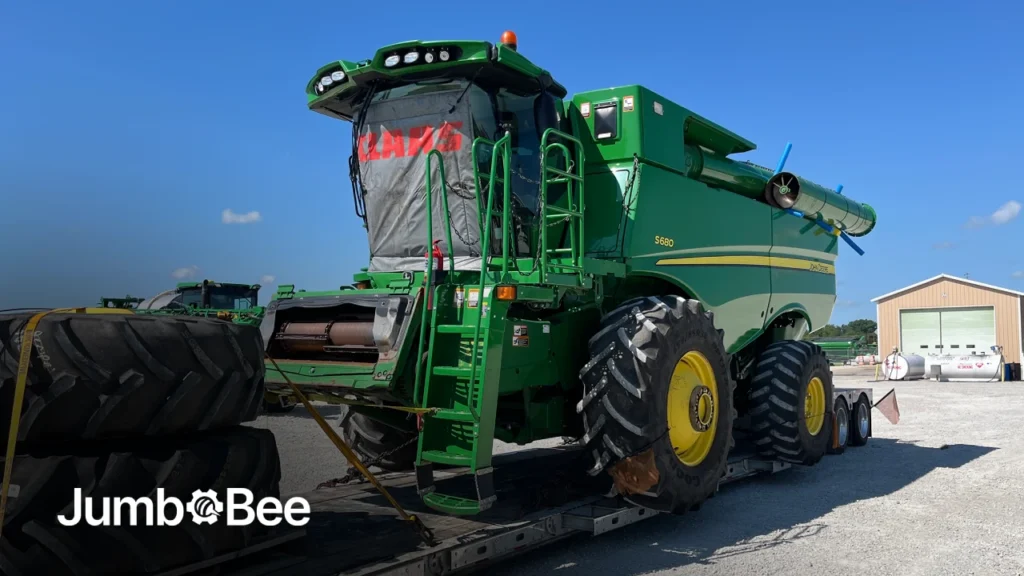
Purchasing heavy agricultural equipment internationally involves a range of operational risks. For buyers in Latin America sourcing machinery from the United States, several challenges are common.
Equipment Misrepresentation
Online equipment listings do not always reflect the actual condition of a machine. Photos may be outdated, key components may be missing, or wear may be understated. Without proper verification, buyers risk purchasing machinery that requires costly repairs.
Remote Inspection Limitations
International buyers rarely have the ability to physically inspect equipment before purchase. This creates uncertainty about the machine’s operational status and overall value.
Uncertain Shipping Costs
Heavy agricultural machines vary significantly in size and configuration. Without accurate logistics planning, buyers may encounter unexpected costs related to transport, port handling, or oversize cargo requirements.
Complex Export Documentation
Exporting machinery from the United States requires proper documentation, including ownership verification, export filings, and compliance with customs regulations. Errors in documentation can delay shipments or cause compliance issues.
Argentine Import Regulations
Argentina has strict import rules for agricultural machinery. Authorities inspect equipment for contamination and ensure it complies with sanitary regulations.
Phytosanitary Compliance
Agricultural machines often contain soil residue, plant matter, or organic debris. These contaminants pose a biosecurity risk, which means the equipment must be thoroughly cleaned before entering many countries.
Because of these risks, international buyers require experienced logistics partners who understand both export procedures and destination country regulations.
Why Exporting Agricultural Equipment to Argentina Is Complex
Agricultural machinery imports into Argentina are subject to strict phytosanitary regulations designed to protect the country’s agricultural industry from foreign pests and diseases.
The primary authority overseeing these requirements is SENASA (Servicio Nacional de Sanidad y Calidad Agroalimentaria). This agency ensures imported agricultural equipment does not introduce soil-borne pathogens, plant pests, or invasive organisms.
For combine harvesters and other field equipment, contamination risks are particularly high because machines operate directly in soil and crop residue. As a result, imported machinery must often undergo:
- Deep cleaning to remove soil and plant material
- Washing at specialized facilities
- Fumigation when required
- Inspection prior to entry into Argentina
If equipment arrives with visible contamination, customs authorities may order additional cleaning, impose delays, or even reject the shipment entirely. This makes proper preparation before export critical.
Equipment Details
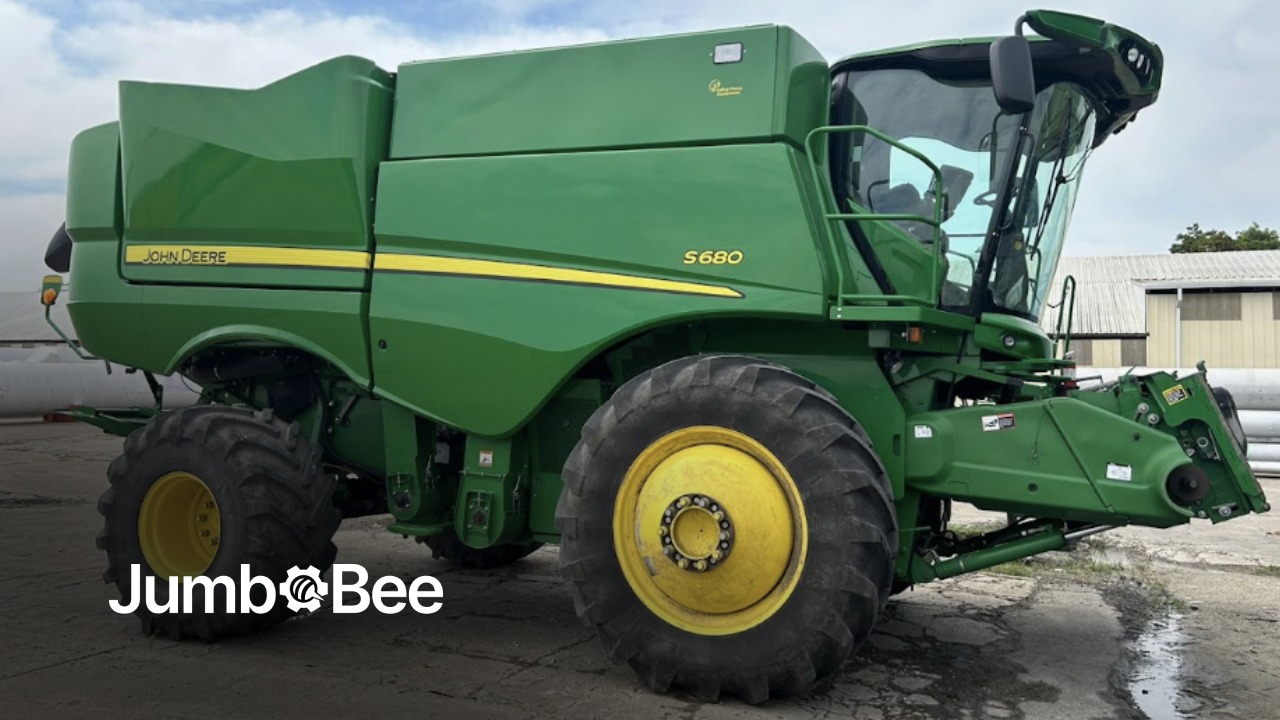
John Deere S680 Combine
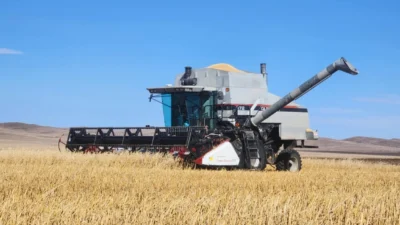
The John Deere S680 is a high-capacity combine harvester designed for large grain operations. It is widely used across North America and internationally due to its reliability, high productivity, and advanced harvesting technology.
Key characteristics include:
- Typical operating weight: approximately 18 tons
- High-capacity grain tank
- Advanced threshing and separation systems
- Designed for harvesting crops such as wheat, corn, and soybeans
Because the S680 is commonly traded on the U.S. used equipment market, it is frequently exported to regions where large-scale grain farming is expanding.
Typical used market values vary depending on condition, usage hours, and configuration, but machines of this type often represent a significant investment for buyers.
645FD Header
The shipment also included a John Deere 645FD header, a flexible draper header used for efficient harvesting of crops like soybeans and wheat.
Headers significantly influence shipping logistics because of their width and transport configuration. A wide header can increase the overall dimensions of the cargo and may require separate transport or specialized handling.
Proper disassembly and secure transport preparation are essential to prevent damage during inland transport and ocean shipping.
JumboBee Solution
To ensure a smooth international purchase and export process, JumboBee managed the project through a structured, multi-stage workflow.
Step 1: Equipment Verification
The first step was verifying both the seller and the equipment listing.
JumboBee reviewed the seller’s documentation, confirmed ownership details, and assessed the machine’s condition based on available records and visual documentation. This verification process reduces the risk of misrepresentation and helps buyers make informed purchasing decisions.
Step 2: Purchase Management
Once the equipment was confirmed, JumboBee coordinated the purchase transaction.
This included managing payment coordination, confirming documentation, and ensuring the transfer process was secure and transparent for the buyer. International equipment purchases often involve large financial transactions, so structured payment management is essential.
Step 3: Inland Transportation
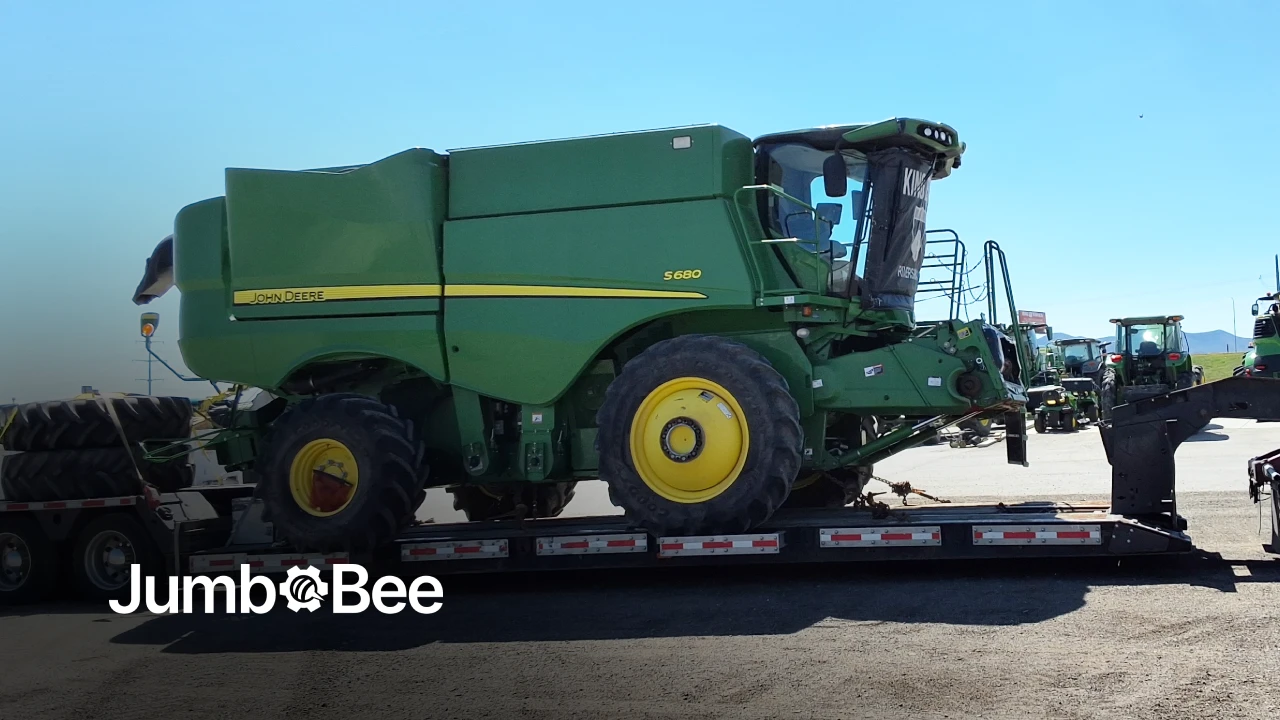
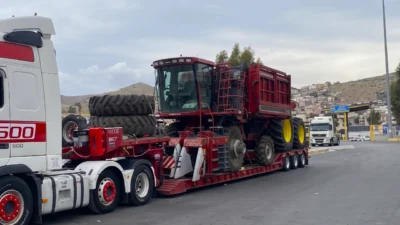
After purchase completion, the combine and header were transported from the seller’s location in Iowa to the designated export port in Chicago (322 miles/520 km).
Due to the machine’s size and weight, specialized transport equipment was required. The logistics team arranged a lowboy trailer capable of safely transporting the large combine harvester while keeping the overall transport height within legal road limits. Because the machine exceeded standard road dimensions, the shipment required oversize transport permits in Iowa and Illinois. In certain jurisdictions, escort vehicles were also coordinated to accompany the truck, ensuring safe movement through restricted routes, bridges, and narrow road sections.
Step 4: Export Preparation
Before shipping, the equipment underwent export preparation procedures.
These included securing movable components, checking structural integrity, and ensuring the machine was ready for transport. Proper preparation prevents damage during handling and ensures compliance with port safety requirements.
Step 5: Phytosanitary Washing and Fumigation
A critical stage of the project involved preparing the combine to meet Argentina’s strict phytosanitary regulations.
The machine was transported to an approved facility where technicians performed thorough washing to remove soil, plant residue, and organic material. This process is essential for preventing contamination and avoiding customs issues upon arrival.
When required, fumigation procedures were also conducted to comply with biosecurity standards.
Step 6: RoRo Shipping
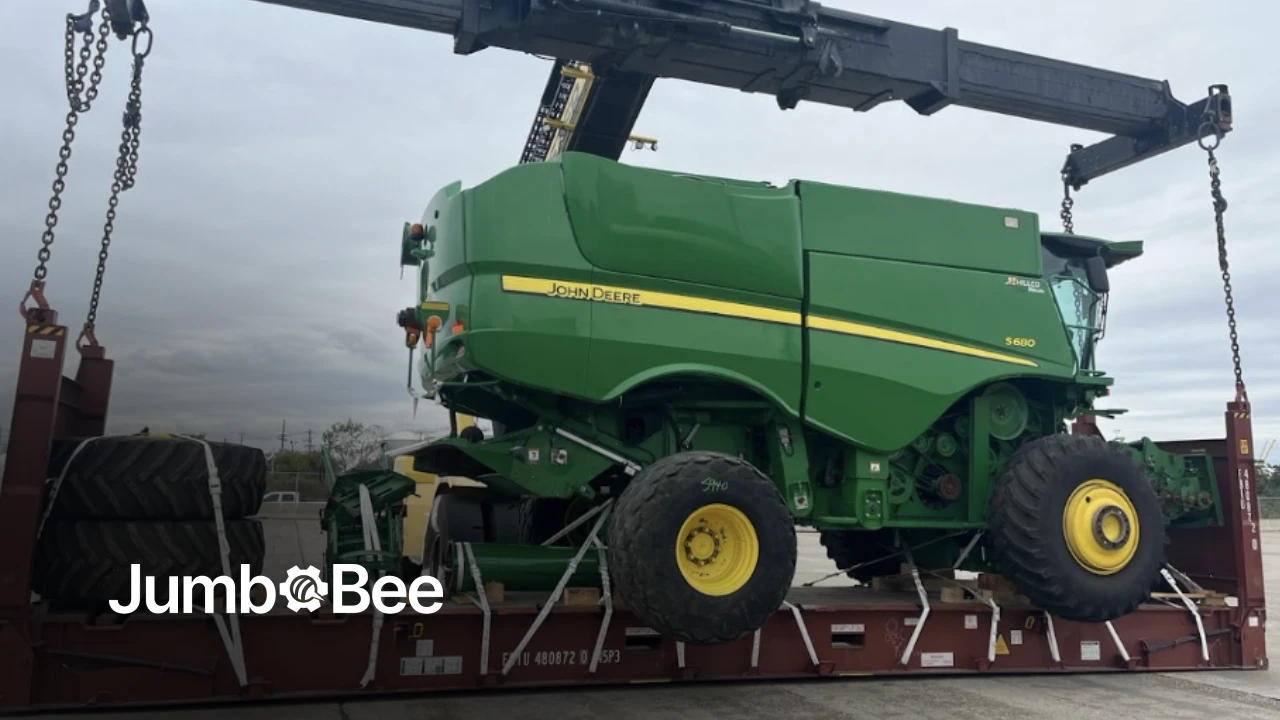
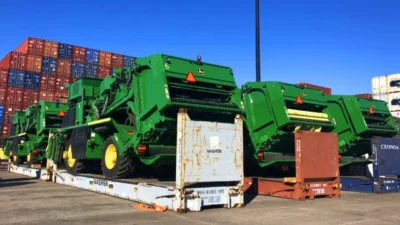
For ocean transport, the combine was shipped using the RoRo (Roll-on/Roll-off) method.
RoRo shipping is widely used for heavy equipment because machines can be driven directly onto specialized vessels. This eliminates the need for cranes and reduces the risk of damage associated with container loading.
Advantages of RoRo shipping for agricultural machinery include:
- Lower cost compared to containerized transport
- Efficient loading and unloading processes
- Suitable for oversized and heavy equipment
The combine was secured inside the vessel according to maritime transport safety standards before departure.
Step 7: Import Coordination in Argentina
Upon arrival at Zárate Port, JumboBee coordinated with local partners to support the buyer during the import process.
This included preparing customs documentation, assisting with inspection procedures, and ensuring the equipment met all regulatory requirements for entry into Argentina.
Having coordinated logistics on both the export and import sides helped minimize delays and ensured a smooth delivery process.
Logistics Timeline
The entire project was completed within approximately five weeks.
| Project Phase | Duration |
|---|---|
| Purchase verification | 3 days |
| Inland trucking to the port | 5 days |
| Export preparation and washing | 2 days |
| Port handling and vessel loading | 3 days |
| Ocean transit | ~30 days |
Total timeline: approximately 40 days from purchase confirmation to arrival at the destination port.
Result
The combine harvester and header arrived at Zárate Port, Argentina, within the expected transit timeframe (arrived on schedule after 29 days of ocean transit).
Customs and phytosanitary inspections were completed successfully, with no delays related to contamination or documentation issues. The buyer received the machine exactly as represented during the purchase process.
Because the equipment had been properly cleaned, inspected, and prepared prior to export, the import process proceeded efficiently. The dealer was able to take possession of the machine and prepare it for resale without additional delays.
Why International Buyers Choose JumboBee
International buyers rely on JumboBee because the platform integrates equipment purchasing and logistics into a single coordinated process.
Key advantages include:
- Equipment verification before payment
- Secure international purchase management
- Integrated logistics from the seller location to the destination port
- Clear planning of shipping and handling costs
- Compliance with export and import regulations
By combining marketplace access with operational logistics expertise, JumboBee reduces the risks associated with cross-border equipment purchases.
Planning to Import Equipment from the United States?
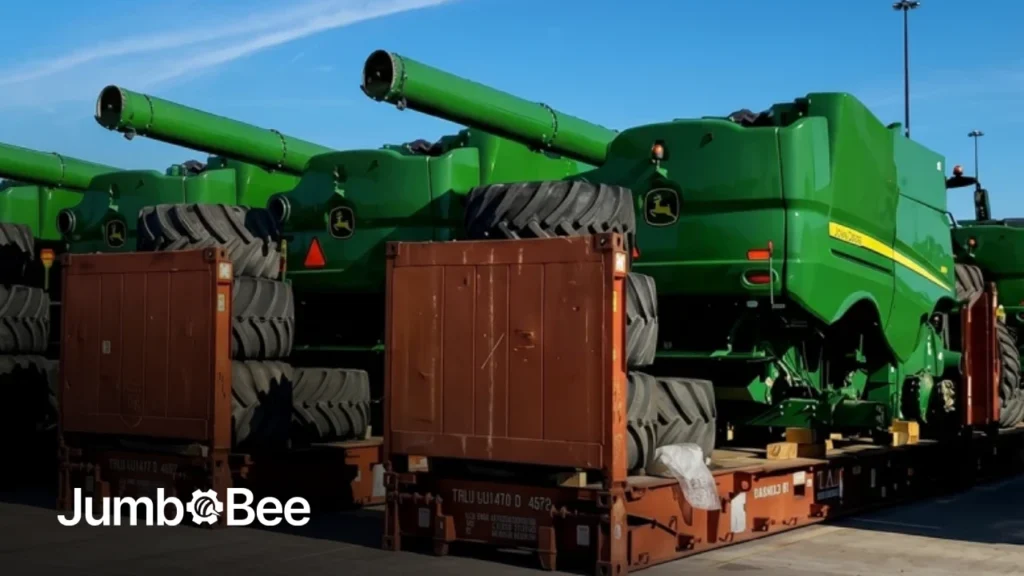
Buying machinery internationally can provide significant advantages – but it requires careful planning, reliable logistics partners, and compliance with multiple regulations.
JumboBee helps international buyers verify, purchase, and ship heavy machinery worldwide through one integrated process.
Get a Shipping Quote and start planning your next equipment import with confidence.





Be the first to leave a comment
There are no replies to this post yet. Share your thoughts and help start the conversation.