


 Success Stories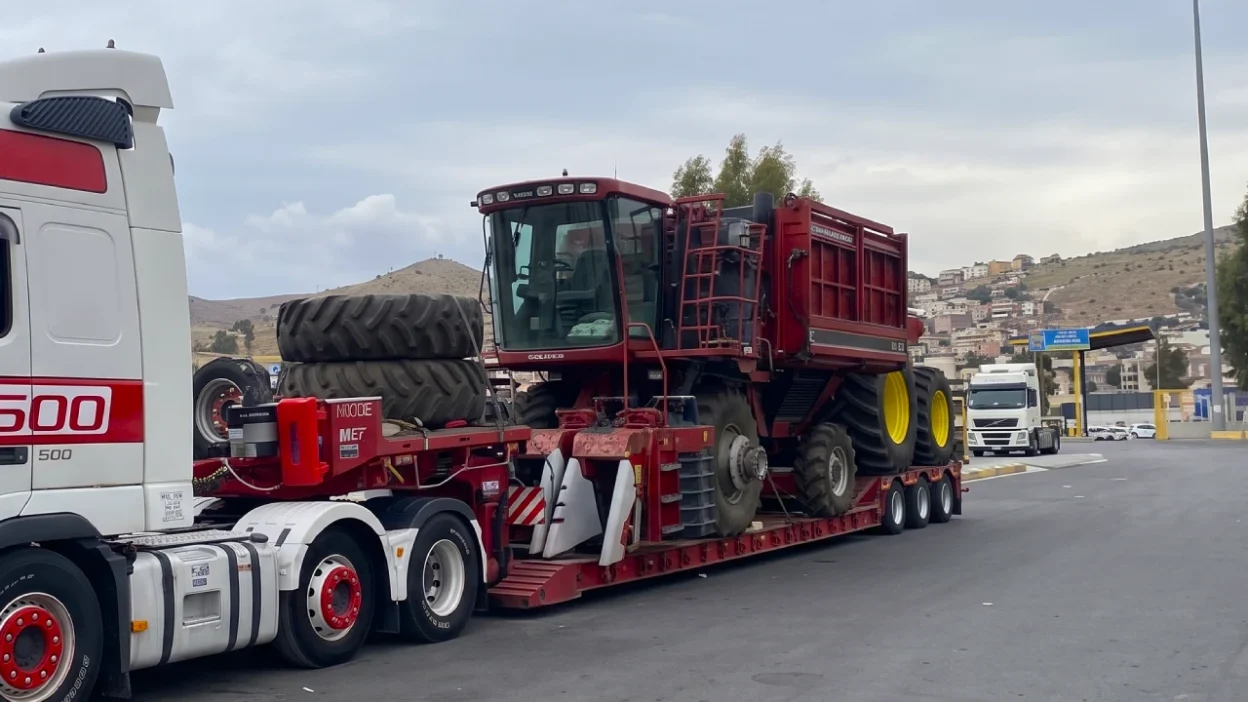
Recent years brought unexpected challenges for Kostas, a third-generation cotton farmer based in Thessaloniki, Greece. With planting season approaching and his primary harvesting machine suffering catastrophic engine failure, he needed a replacement fast. Local dealers had zero inventory for used cotton pickers, and ordering a brand-new model meant waiting until late 2027.
Kostas faced a massive operational threat. Without a reliable harvester, his entire crop would be at risk. He needed a specific machine known for its durability and ease of maintenance: the Case IH 2555. However, finding one locally proved impossible. Greek dealers either had severely overpriced units in poor condition or nothing at all.
This lack of local availability pushed Kostas to look across the Atlantic. He realized that to save his season, he needed to explore how to buy cotton picker from the USA to Greece. The American market offered vast inventory, better maintenance histories, and highly competitive pricing.
This case study breaks down his journey. You will learn about the pricing differences between continents, the step-by-step sourcing strategy, the hidden risks of international buying, and the complete delivery process. Whether you are a farmer or an equipment dealer, this guide will show you how to navigate the international heavy machinery market.
Equipment Overview: Case IH 2555 Cotton Picker
Overview
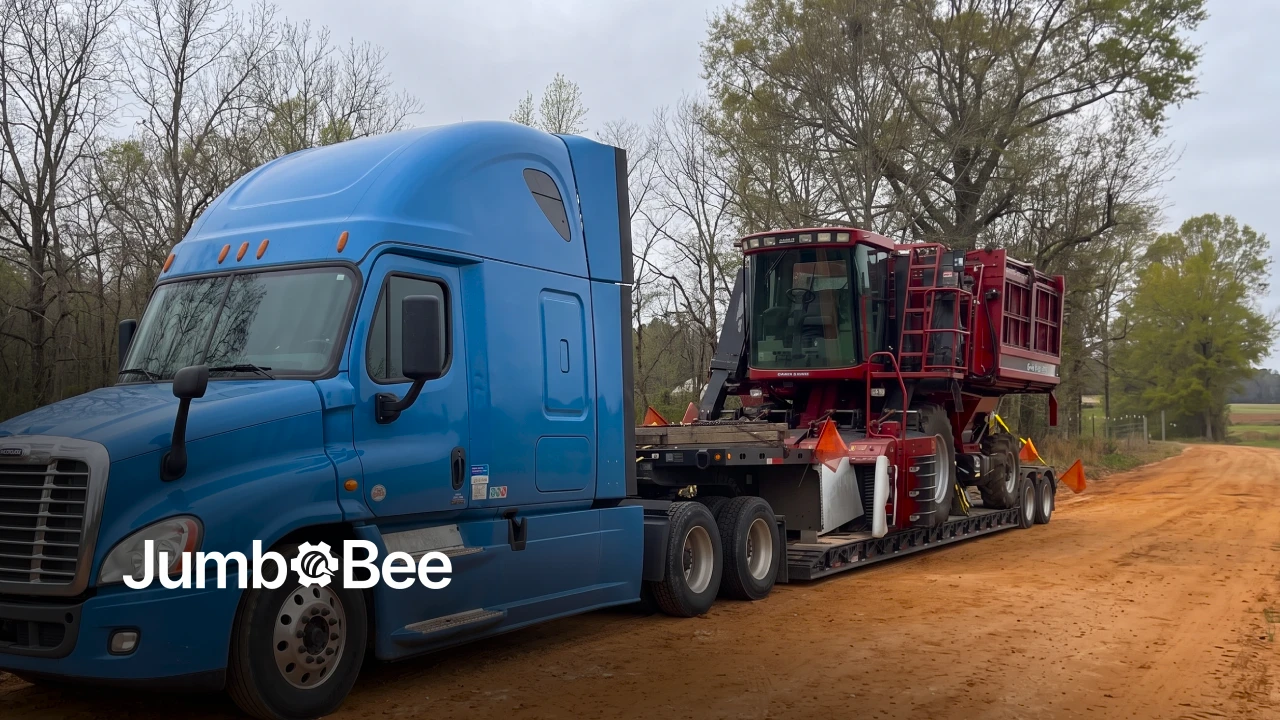
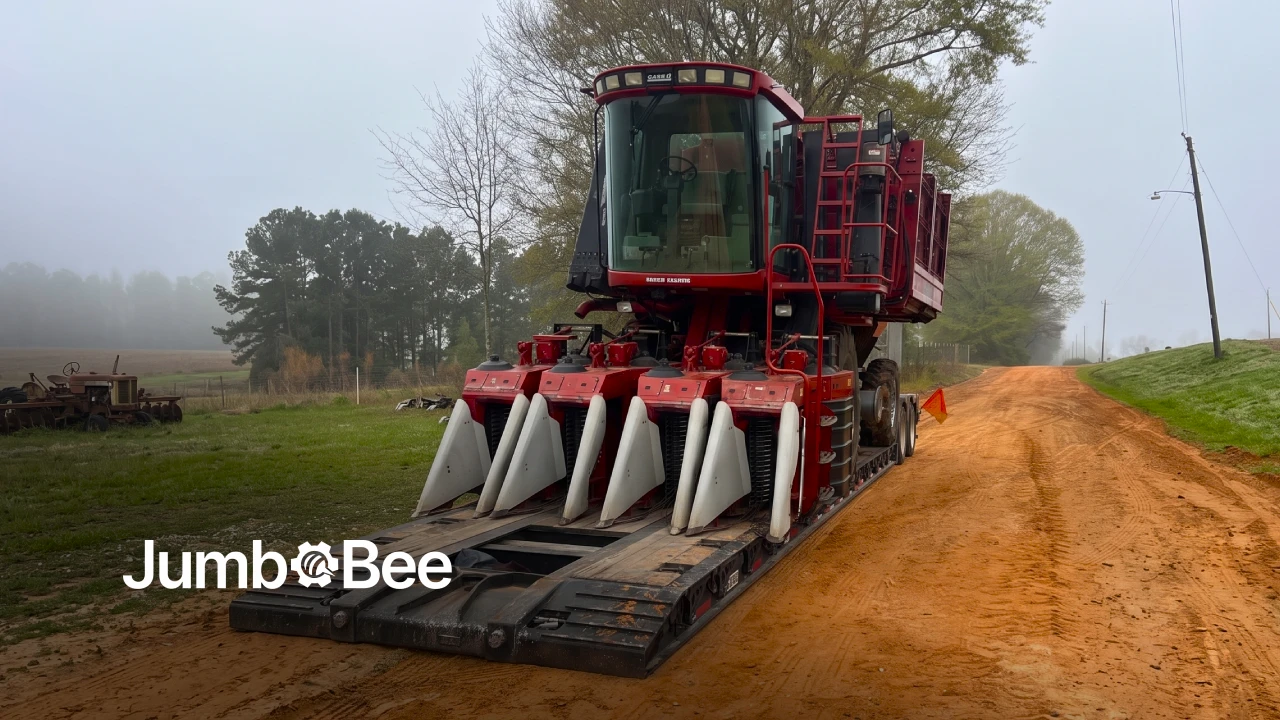
Case IH 2555 is a legendary machine in the agricultural sector. Designed for high-yield cotton harvesting, it features a robust in-line picking system that maximizes fiber quality while minimizing waste.
Powered by a highly reliable Cummins engine, this model is famous for running thousands of hours with basic routine maintenance. Farmers value the 2555 because it lacks the overly complex electronic systems found in newer models, making it much easier to repair directly in the field.
Demand for this model remains incredibly high globally. Because it is so dependable, farmers hold onto them for decades. When you want to buy Case IH cotton picker internationally, the 2555 is often at the top of the request list due to its proven track record and widespread parts availability.
| Category | Details |
|---|---|
| Equipment | Case IH 2555 Cotton Picker |
| Equipment Year | 2008 |
| Purchase Price | $55,000 |
| Location | Texas, USA → Thessaloniki, Greece |
| Shipping Method | Flat Rack |
| Transit Time | 26 days |
| Result | Delivered and operational before harvest season |
Why This Equipment Is Hard to Find in Europe
European cotton production is heavily concentrated in just two countries: Greece and Spain. Because the overall market size is small compared to the United States or India, European agricultural dealers simply do not stock large numbers of specialized cotton harvesters.
Limited supply creates a frustrating environment for buyers. Farmers usually run their pickers until they are completely obsolete. This long replacement cycle means that when a used machine finally hits the market, it is often heavily worn out.
Consequently, buyers face high prices and low availability. Anyone researching where to buy cotton picker internationally quickly discovers that relying solely on the European Union market limits their choices and inflates their costs. To find high-quality machinery at a fair valuation, European farmers must look outward.
Price Comparison: USA vs Europe
Pricing differences between the American and European markets can be staggering. When Kostas began his search, he carefully analyzed the Case IH 2555 price across both regions.
In the United States, a well-maintained 2008 model with around 2,500 engine hours typically lists between $45,000 and $60,000. The US market has a massive supply of these machines, which naturally drives down the acquisition cost.
In Europe, that exact same machine commands a premium. If a farmer can even find one, the Case IH 2555 price easily ranges from $85,000 to $110,000. Local sellers know that buyers are desperate, and they price their limited inventory accordingly.
To determine the true cost to import cotton picker to Greece, Kostas ran a detailed calculation. He needed to account for the purchase price, inland freight in the US, ocean freight, and Greek import taxes.
| Expense Category | USA Sourced | Europe Sourced |
|---|---|---|
| Purchase Price | $55,000 | $95,000 |
| Inland Transport | $2,500 | $1,500 |
| Export Prep & Cleaning | $1,200 | $0 |
| Ocean Freight (Flat Rack) | $12,500 | $0 |
| Import Duties (0% EU Agri) | $0 | $0 |
| Estimated VAT (24%) | $17,088 | $23,160 |
| Total Estimated Cost | $88,288 | $119,660 |
By choosing to buy cotton picker USA inventory, Kostas stood to save over $31,000, even after paying for transatlantic shipping and full export preparation. International buyers consistently access better inventory and superior pricing by sourcing directly from the United States.
Why Buyer Chose JumboBee
Navigating an international purchase alone is risky. Kostas needed a platform that offered more than just classified ads. Local sourcing was completely unviable, and standard listing websites offered zero protection against fraud or misrepresentation.
He turned to JumboBee, a global agricultural machinery marketplace designed for cross-border trade. JumboBee enabled Kostas to view global listings, giving him instant visibility of rare equipment that simply did not exist in the Greek market. This is the right place for farmers in need of used cotton picker export USA.
More importantly, JumboBee provided built-in tools to compare options, verify seller credentials, and calculate shipping costs upfront. It functioned not as a standard agricultural machinery marketplace, but as a comprehensive sourcing tool for international buyers.
How Cotton Picker Was Sourced
Finding a reliable cotton picker for sale USA export ready requires patience and a structured evaluation process. Kostas used the marketplace filters to isolate machines located near major US shipping ports like Savannah and Houston, aiming to keep inland freight costs low.
He found three potential candidates. To choose the right one, he focused on strict evaluation criteria:
- Engine hours versus spindle hours
- Condition of the picking units and doffers
- Hydraulic system integrity
- Seller credibility and past export experience
He selected a machine in Texas. The seller provided high-resolution close-ups of the picking heads, a cold-start video of the Cummins engine, and detailed maintenance logs. Because Kostas wanted to buy cotton picker USA equipment safely, he requested an independent third-party inspection through the platform.
The inspection confirmed the machine was in excellent working order, with only minor cosmetic wear. This structured decision-making process allowed Kostas to filter out substandard machines and focus only on top-tier inventory.
Why Buyer Felt Confident Moving Forward
Trust is the biggest hurdle when you buy Case IH cotton picker internationally. Kostas felt confident wiring tens of thousands of dollars abroad because the risks were actively mitigated.
Verified specifications meant he knew what he was buying. The independent inspection report matched the seller descriptions perfectly. Clear documentation, including the original bill of sale and a clean title, ensured there would be no legal hurdles during export.
Transparent communication played a massive role. The seller had experience handling farm equipment USA to Greece shipments and understood the strict cleanliness requirements for European customs. Kostas understood every single step of the process before committing his funds, transforming a stressful purchase into a calculated business transaction.
Key Risks When Buying Agricultural Equipment Internationally
Importing heavy machinery is not without challenges. Farmers who do not understand how to buy cotton picker from USA to Greece often fall victim to severe logistical and financial traps.
Misrepresented condition is the most common risk. A machine might look great in photos but suffer from severe internal rust or failing hydraulics. Hidden wear on cotton picker spindles can cost thousands of dollars to replace upon arrival.
Compliance issues represent another major hurdle. The European Union has strict import requirements regarding emissions and safety standards. Furthermore, agricultural machinery must be completely free of foreign soil to pass phytosanitary inspections.
Logistics and coordination gaps can ruin a budget. If a buyer books a vessel but the inland trucker arrives a day late, the machine misses the ship, resulting in massive port storage fees.
Real consequences of ignoring these risks include:
- Shipment delays lasting weeks or months
- Additional costs for emergency port cleaning
- Customs rejection forcing the machine back to the US
- Operational downtime during peak harvest season
Partnering with a comprehensive agricultural machinery marketplace helps reduce these risks by providing access to vetted logistics partners and experienced export prep teams.
Preparing Equipment for Export (High-Level)
The Case IH 2555 cotton picker export process requires meticulous preparation. You cannot simply drive a massive harvester onto a ship.
First comes disassembly. The 2555 is too wide and too tall for standard ocean freight constraints. Mechanics removed the massive picking headers and safely secured them on custom pallets. They also folded down the basket and removed the dual tires to reduce the overall shipping dimensions.
Next comes cleaning and compliance. To successfully import farm equipment Greece customs demands a strict phytosanitary certificate. The machine underwent intensive pressure washing to remove every single trace of Texas soil, cotton debris, and grease. Even a handful of dirt left on the undercarriage can cause European customs to quarantine the shipment.
Finally, the export team prepared the documentation, securing the commercial invoice, packing list, and the all-important USDA phytosanitary certificate. Finding a cotton picker for sale USA export ready means ensuring the seller is willing to accommodate these strict preparation steps.
Delivery to Greece: What Process Looked Like
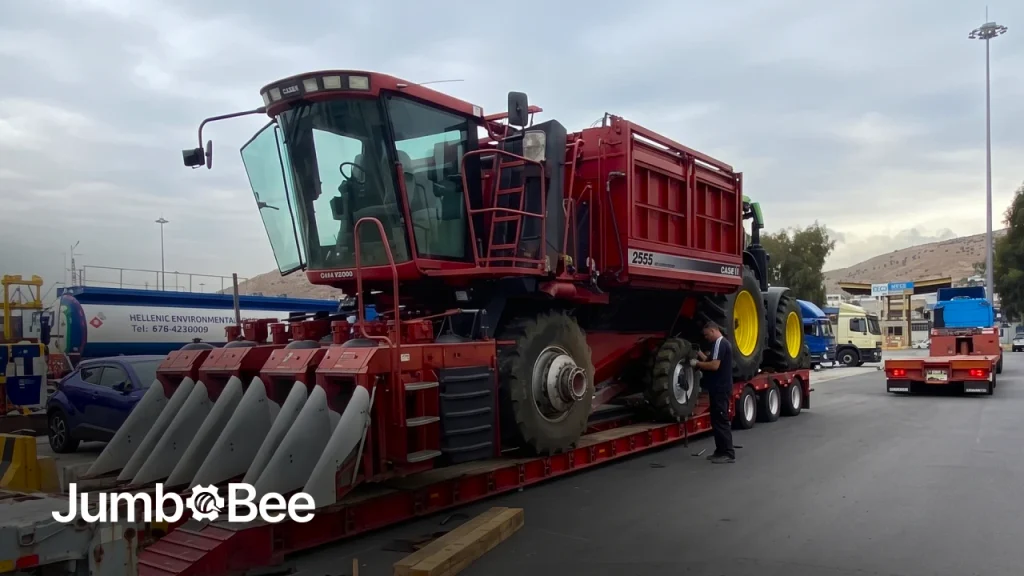
Moving massive farm equipment USA to Greece is an exercise in precision logistics. Once the machine was washed and dismantled, a specialized heavy-haul trucking company loaded the main chassis and the palletized headers.
Inland transport carried the equipment from the Texas farm directly to the Port of Houston. Because the dismantled machine was still too heavy and awkwardly shaped for standard shipping containers, the logistics team utilized a 40-foot flat rack container.
Flat rack shipping involves securing the equipment to an open-sided platform, which is then lifted onto the cargo vessel. The machine was shrink-wrapped in heavy-duty industrial plastic to protect it from corrosive saltwater spray during the transatlantic voyage.
After 26 days at sea, the vessel arrived safely in the Mediterranean. Understanding the cost to import cotton picker to Greece means factoring in these specialized flat rack rates, which fluctuate based on global shipping lanes.
Final Outcome
In late February 2026, the Case IH 2555 arrived at the Port of Thessaloniki. Thanks to the meticulous cleaning done in Texas, the machine cleared customs without a single issue. The phytosanitary inspectors signed off immediately, and the equipment was released to Kostas.
He arranged a local lowboy trailer to bring the machine to his farm. Within three days, his local mechanic team had reattached the picking headers, reinstalled the dual tires, and performed a standard fluid change.
The machine was completely ready for use upon arrival. Kostas achieved his goals: the project was completed within the expected timeline, and there were zero unexpected complications. By choosing to import farm equipment Greece style, he secured a superior machine, saved over $30,000, and guaranteed his operational capacity for the upcoming harvest.
Key Takeaways for International Buyers
Kostas proved that cross-border equipment sourcing is highly viable when executed correctly. If you are wondering where to buy cotton picker internationally, his journey offers several core lessons.
- US market provides access to specialized equipment that simply does not exist in sufficient numbers within Europe. The sheer volume of American farming means a constant supply of high-quality used machinery.
- International sourcing can offer better value. Even when factoring in the complex Case IH 2555 cotton picker export process, the total landed cost is often significantly lower than buying locally.
- Verification is critical before purchase. Never wire money without an independent inspection. Utilizing a platform that verifies sellers protects your capital.
- Logistics planning is essential. The exact cost to import cotton picker to Greece depends entirely on efficient dismantling, proper washing, and smart ocean freight booking.
Ready to Source Equipment Globally?
Finding the right machinery no longer requires settling for overpriced local inventory. The global market is open, and smart buyers are taking advantage of international pricing disparities every single day.
Whether you need to buy Case IH cotton picker internationally or source heavy construction machinery, you need a partner that understands the complexities of global trade. You need transparency, verified sellers, and integrated logistics that handle the heavy lifting from the seller yard directly to your farm.
Stop overpaying for limited local inventory. Start exploring a borderless equipment catalog today.
Browse global listings, compare pricing, and connect with verified sellers on JumboBee. Take control of your equipment sourcing and build your fleet on your own terms.





Be the first to leave a comment
There are no replies to this post yet. Share your thoughts and help start the conversation.