Caterpillar D6K2 LGP Crawler Dozer
Caterpillar D6K2 LGP




5+
sold in last yearGeneral overview
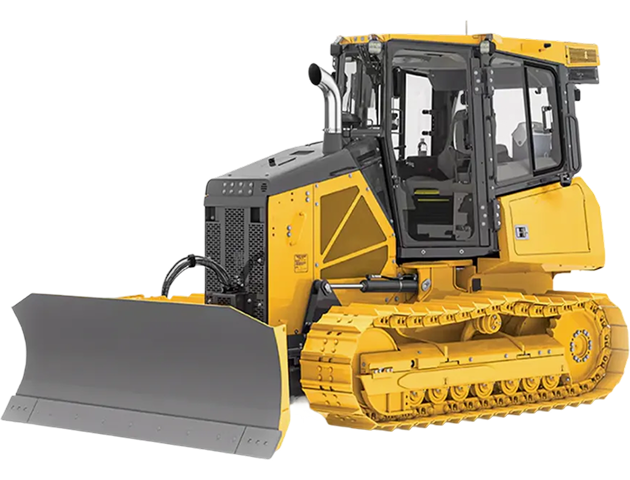
Caterpillar D6K2 LGP is a dozer designed for earthmoving and grading in construction settings. It has an operating weight of 13,470 kg (29,700 lb) and an engine output of 92 kW (125 hp), giving it the capacity needed for general pushing and shaping tasks. The model is powered by a Cat C6.6 ACERT engine and meets EPA Final Tier 4 (FT4) / EU Stage V emissions requirements.
The D6K2 LGP uses a hydrostatic transmission with electro-hydraulic controls and a Power-Angle-Tilt (PAT) blade. A blade capacity of 2.9 m³ (3.8 cu yd), ground pressure of 32.7 kPa (4.74 psi), and a standard shoe width of 762 mm (30 in) define its operating profile for controlled work on prepared construction surfaces.
Year
2014, 2015, 2016, 2017, 2018, 2019, 2020, 2021, 2022, 2023, 2024, 2025
Country of manufacturing
United States
General specifications
Dimensions
Width
Height
Length
Weight
2,762 mm
~108.7 in
2,957 mm
~116.4 in
4,979 mm
~196 in
13,500 kg
~29,762.4 lb
Engine Power
125 hp
Operating Weight
13,470 kg
Blade Capacity
2.9 cu(m)
Additional specifications
Emission standard level
EPA Final Tier 4 (FT4) / EU Stage V
Displacement
403 cu(in)
Fuel tank
295 L
Number of Cylinders
6
Engine Model
Cat C6.6 ACERT
Operating Weight-LGP
13,470 kg
Power Train
Hydrostatic transmission
Ground Pressure
32.7 kPa
Undercarriage Ground Pressure
32.7 kPa
Length of Track on Ground
2,643 mm
Number of Shoes
40
Hydraulic controls
Electro-hydraulic controls
Type of Blade
Power-Angle-Tilt (PAT)
Power - Net
125 hp
Net Power (ISO 9249)
125 hp
Width of Standard Shoe
762 mm
Caterpillar D6K2 LGP Crawler Dozer Listings
Looking for Caterpillar D6K2 LGP Crawler Dozer?
See similar listingsCompare Caterpillar D6K2 LGP Crawler Dozer to other crawler dozer
Not sure which equipment to choose? Use our comparison tool to easily compare equipment side by side based on key features.
Caterpillar D6K2 LGP Crawler Dozer
13470 kg
13500 kg
4979 mm × 2762 mm × 2957 mm
Add model
Add model
5.0
Rating
Based on ratings and reviews from verified buyers.
Overall rating
1 reviews
5
4
3
2
1
Performance & Productivity
5.0
Reliability & Durability
5.0
Comfort & Ergonomics
4.0
Safety
5.0
Technology & Features
5.0
Travis Mortenson

We run it on pad work across 4,000 acres a year. Machine control cut our survey time on pond work. Worth noting: the regen interrupts at awkward times in site cleanup.
No questions yet
Be the first to ask a question about this model and help other buyers learn more.
Heavy equipment insights from JumboBee
Got Questions?
Our FAQ section covers everything from shipping and listing to buying with confidence.
Can't find what you're looking for?
Sign up and talk to an expert.
Most popular
What is the average price of a Caterpillar D6K2 LGP?
No confirmed market price is supplied. Check current listings and compare machine condition, location, configuration, service records, and undercarriage wear.
What are the key advantages of the Caterpillar D6K2 LGP?
Listed features include a Power-Angle-Tilt (PAT) blade, electro-hydraulic controls, hydrostatic transmission, and low ground pressure of 32.7 kPa (4.7 psi). It has 93.2 kW (125 hp) net power and a blade capacity of 2.9 m³ (3.79 cu yd).
What type of engine does the D6K2 LGP use?
The D6K2 LGP uses a Cat C6.6 ACERT engine with 6 cylinders. Its listed emission level is EPA Final Tier 4 (FT4) / EU Stage V.
How much horsepower does the D6K2 LGP have?
The D6K2 LGP has 93.2 kW (125 hp) of net engine power.
What fuel does the Caterpillar D6K2 LGP use?
The supplied specifications list a 295 L (77.9 US gal) fuel tank but do not confirm the fuel type.
What jobs is this Dozers best suited for?
The supplied data does not identify specific job applications. Buyers can assess suitability based on the Power-Angle-Tilt (PAT) blade, 2.9 m³ (3.79 cu yd) blade capacity, and 32.7 kPa (4.7 psi) ground pressure.
What is the expected lifespan of the D6K2 LGP?
No expected service-life figure is supplied. Actual lifespan depends on operating conditions, maintenance history, service quality, and the condition of major components such as the undercarriage, engine, hydraulics, and transmission.
What should a buyer check when purchasing a used Dozers?
Check service records, engine condition, hydraulic operation, transmission response, blade controls, leaks, and structural damage. Inspect track shoes, rollers, idlers, sprockets, and track wear closely. Confirm that the machine configuration and emissions equipment match the intended use.