


 Equipment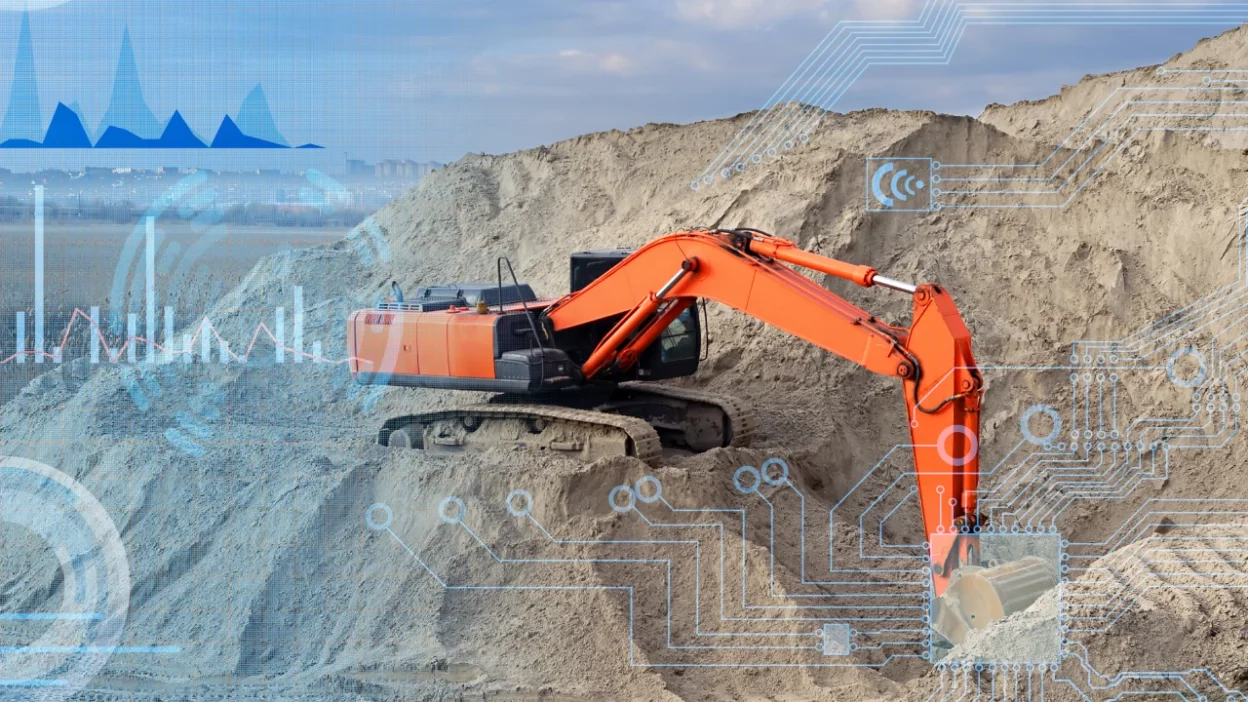
Operating a fleet of heavy machinery in 2026 requires more than just skilled operators and routine oil changes. Industry regulations are tightening, fuel costs remain volatile, and profit margins shrink when machines sit idle. Hardware alone cannot solve these challenges. Software and data analytics are now the driving forces behind profitable fleet operations.
This article explains how modern tracking technology works, how to choose the perfect setup for your specific needs, and how data translates directly into massive cost savings. Instead of just listing software names, we will build a practical decision framework. You will learn how to connect daily operational data with long-term equipment lifecycle decisions, ensuring your fleet runs at peak performance.
What is a Heavy Equipment Monitoring System
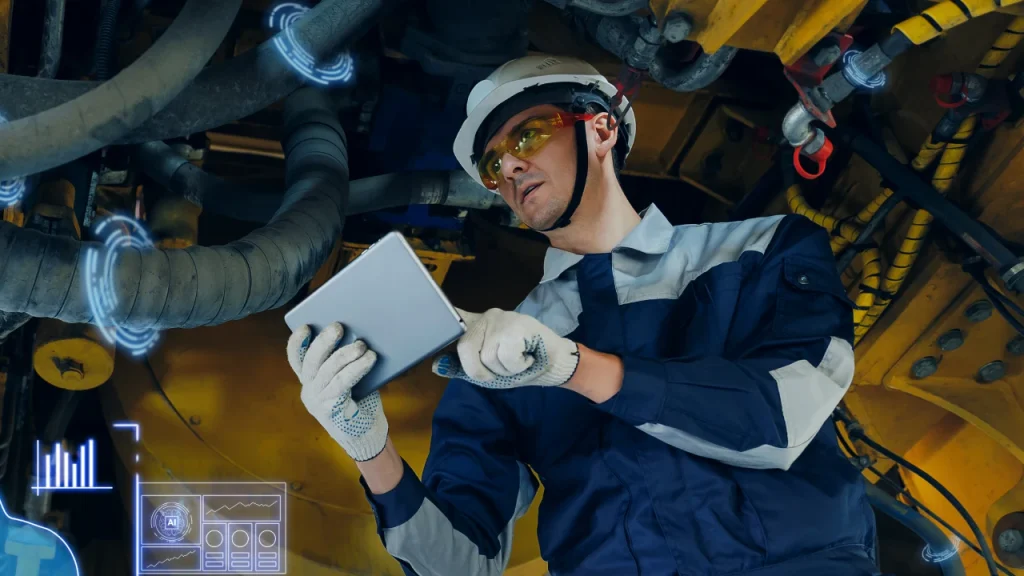
Heavy equipment monitoring systems are integrated networks of hardware and software designed to track machinery in real time. They combine physical sensors installed on the machine with cloud-based analytics platforms. You might hear this technology referred to as telematics, fleet tracking, or machine analytics.
These systems gather raw data from your machines and turn it into readable, actionable insights. Sensors connect directly to the engine control module of your excavator, tractor, or bulldozer. Data is then transmitted via cellular or satellite networks to a central dashboard.
Data collected by these systems typically includes:
- Location coordinates via GPS tracking
- Usage statistics like engine hours and idle time
- Fuel consumption and fuel level drops
- Performance metrics, including engine temperature and fluid pressure
Keeping it simple, a monitoring system acts as a digital supervisor. It watches every machine in your fleet 24 hours a day, recording exactly how hard it works, where it is located, and whether it is developing mechanical issues.
Why Monitoring Systems Are Essential for Modern Fleets
Running a fleet without a monitoring system is like driving a car blindfolded. You might be moving forward, but you have no idea what obstacles are approaching. Modern fleets rely on these systems to gain complete visibility into daily operations.
Better decision-making starts with accurate data. When you know exactly how many hours a wheel loader operates each week, you can schedule maintenance based on actual usage rather than guesswork. This precision reduces massive inefficiencies across your entire business. Research from organizations like McKinsey & Company highlights that digital transformation in heavy industry can boost operational efficiency by up to 25 percent.
Cost control is the ultimate goal. Monitoring systems provide operational transparency, showing you exactly where your money goes. If one job site burns twice as much fuel as another for the exact same amount of earthmoving, your dashboard will highlight the discrepancy. You can then investigate whether the issue is operator behavior, machine health, or site logistics.
Key Problems Monitoring Systems Solve
Technology is only valuable if it solves real business pain points. Fleet managers face daily fires that eat into profit margins. Monitoring systems tackle these issues head-on through a problem-first approach.
Unexpected downtime destroys project timelines. When a machine breaks down without warning, you pay for idle operators, delayed subsequent tasks, and emergency repair fees. Let us look at a quick calculation. If a bulldozer fails on site, you might lose $150 per hour in operator wages and $800 per hour in lost production. A single five-hour delay costs you $4,750. Monitoring systems catch temperature spikes before the engine overheats, preventing this exact scenario.
Inefficient equipment usage drains capital. You might rent an extra excavator because site managers claim they are short on equipment. A monitoring system might reveal that your existing excavators are only operating for three hours a day and sitting idle for five. You simply need better site coordination, not more rentals.
Fuel waste is a silent killer of profitability. Industry averages show that heavy machinery often idles for 30 percent of its total engine hours. If a machine burns one gallon of fuel per hour while idling, and fuel costs $4 per gallon, 600 hours of annual idle time wastes $2,400 per machine. Multiply that by a fleet of 20 machines, and you are losing $48,000 a year.
Lack of visibility across sites makes logistics a nightmare. Managing equipment spread across three different cities requires constant phone calls and manual spreadsheets. Telematics put every machine on one digital map, eliminating confusion and lost assets.
Core Features to Look for in Monitoring System
Choosing a platform requires understanding which features actually drive business value. Do not get distracted by flashy graphics. Focus on core functionalities that save money and time.
Real-time tracking is the foundation. You need to know exactly where your assets are at any given second. This feature prevents theft, aids in recovery, and helps dispatchers route fuel trucks efficiently. It also allows you to set geofences, which send alerts if a machine leaves a designated work zone.
Performance analytics dive deeper than location. These tools measure how effectively a machine is being used. They track payload weights, cycle times, and operator behavior. If an operator constantly over-revs the engine, analytics will flag the behavior so you can provide targeted training.
Fuel monitoring goes beyond simply showing the fuel gauge level. It tracks burn rates during different activities. You can see how much fuel is used while digging versus traveling. Sudden drops in fuel levels trigger instant alerts, helping you catch fuel theft immediately.
Maintenance alerts change your shop from reactive to proactive. Instead of waiting for a driver to report a strange noise, the system reads engine fault codes directly. It notifies your mechanical team about clogged filters, low hydraulic fluid, or battery voltage drops. Connecting these alerts to comprehensive equipment management systems allows your shop to automatically order parts before the machine even returns to the yard.
Reporting dashboards consolidate millions of data points into simple daily, weekly, or monthly reports. You can generate a summary of fleet utilization to present to stakeholders, proving exactly return on investment for each asset.
Types of Solutions on the Market (OEM vs. Third-Party vs. AI-Driven)
Not every construction company or farm needs the most expensive software on the market. Solutions range from simple factory-installed trackers to highly complex predictive models.
OEM Systems (Original Equipment Manufacturer)
These systems are built directly into the machine at the factory (like Caterpillar’s Product Link or John Deere’s JDLink). They provide deep, highly accurate integration with the machine’s native sensors and are perfect if you operate a single-brand fleet. However, they can create data silos if you manage mixed fleets.
Third-Party Platforms
These are hardware-agnostic solutions designed to bridge the gap in mixed fleets. These platforms allow you to install aftermarket telematics devices across various brands — from excavators to generators — bringing all data into one unified, brand-neutral dashboard.
AI-Driven Analytics Systems
Representing the cutting edge of 2026 technology, these platforms consume historical data from either OEM or third-party sensors and use machine learning to predict future outcomes. They can tell you that a specific transmission is 85 percent likely to fail within the next 400 hours based on vibration patterns.
Decision Logic Framework
Instead of just listing tools, we recommend using this decision logic to determine your path:
- If you have a single-brand fleet –> Choose OEM Systems to leverage native, deeply integrated fault codes without extra hardware costs.
- If you manage a mixed fleet across multiple brands –> Choose a Third-Party Platform to ensure all assets report to a unified dashboard.
- If your primary goal is preventing catastrophic failure in enterprise mining or heavy logistics –> Choose AI-Driven Analytics layered over your existing sensors for predictive maintenance.
Setup Complexity
The setup complexity of telematics heavily depends on the depth of data you require. Basic tracking usually involves simple 3-wire installations (power, ground, ignition) or plug-and-play OBD-II devices that can often be self-installed. However, professional installation is generally recommended for advanced telematics that tap directly into the equipment’s ECU or CAN bus port. This ensures the system reads internal diagnostic codes accurately without voiding warranties or creating data gaps.
Cost of Monitoring Systems vs. ROI Potential
Understanding the return on investment (ROI) requires looking at both sides of the ledger. The cost of monitoring systems in 2026 typically involves an upfront hardware cost (ranging from $150 to $500+ per machine depending on sensor complexity) plus a monthly software subscription per asset.
Do the potential savings eclipse these costs? Absolutely. By reducing idle times, avoiding catastrophic engine failures, and eliminating unnecessary equipment rentals, a system that costs $600 a year per machine can easily save you $3,000 to $5,000 in fuel and downtime over the same period, often delivering a full ROI in less than six months.
Best Systems for Small Fleets
When searching for the best systems for small fleets, look for providers that emphasize ease of use and basic track-and-trace functionality without locking you into expensive enterprise tiers. Small landscaping or local paving companies should prioritize affordable hardware, mobile-friendly apps, and fast setup over complex predictive AI.
How to Choose Right Monitoring System for Your Fleet
Selecting a platform is a strategic business decision. There is no one-size-fits-all solution. You must evaluate your specific operational reality against the available technology.
Fleet size dictates scalability. If you own five skid steers, a basic plug-and-play GPS system is likely enough. If you manage 500 mixed assets across multiple states, you need an enterprise-grade platform with robust API integrations.
Type of equipment matters heavily. A fleet of identical John Deere tractors is easier to monitor than a mixed fleet containing Caterpillar excavators, Volvo haulers, and generic light towers. Mixed fleets require hardware-agnostic systems that can read data from any brand.
Operational complexity determines feature requirements. Simple earthmoving tasks require basic utilization tracking. Complex mining operations require payload monitoring, tire pressure sensors, and precision grading data.
Budget must align with expected return on investment. Do not pay for AI predictive modeling if you do not have the mechanical staff to act on the insights. Calculate your current losses from fuel waste and downtime, and use that figure to justify your software budget.
| System Type | Best For | Key Benefit |
|---|---|---|
| Basic GPS | Small fleets | Theft prevention |
| Advanced Telematics | Mid-sized fleets | Fuel and maintenance optimization |
| AI Analytics | Enterprise operations | Predictive failure prevention |
Monitoring Systems by Use Case
Different industries squeeze value out of telematics in entirely different ways. Understanding your specific industry use case helps you configure the software correctly.
Construction Fleets
Construction companies operate across multiple sites simultaneously. Their biggest challenge is high utilization and asset allocation. Telematics solve the hoarding problem, where site managers hide equipment just in case they need it. Tracking systems enforce accountability, ensuring excavators and dozers are moved to sites where they will actually be used. Geofencing also protects expensive assets left on unsecured urban job sites overnight.
Agriculture
Farming relies heavily on seasonal usage. Combines and high-horsepower tractors sit idle for months, then run 18 hours a day during harvest. Efficiency optimization is critical because weather windows are tight. Monitoring systems track fuel consumption per acre and map field passes to prevent overlap. By integrating these insights into agricultural equipment management systems, farm managers can coordinate fuel deliveries directly to the field, ensuring machines never stop running during crucial harvest days.
Logistics and Transport
Heavy haulers and flatbed trucks have different priorities. Route optimization and asset tracking are paramount. Dispatchers use real-time location data to reroute trucks around traffic or bad weather. Uptime monitoring ensures that trucks carrying perishable or time-sensitive heavy loads do not break down on the highway. Tire pressure monitoring systems integrated into the telematics prevent blowouts at high speeds.
How Monitoring Data Improves Equipment Performance
Collecting data is useless if it simply sits on a server. The true value of a monitoring system lies in bridging the gap between raw data and physical action.
Identifying underused machines is the fastest way to improve performance. If your dashboard shows that a specific articulated dump truck is only running 15 hours a week while others run 40, you have a bottleneck. You can move that truck to a busier site or sell it to free up capital.
Optimizing workload extends the lifespan of your machinery. Analytics can show if an operator is using a machine that is too small for a specific task, causing the engine to run constantly at maximum RPM. You can swap it for a larger machine, reducing strain and preventing premature engine wear.
Improving efficiency often comes down to operator coaching. When you have hard data showing that one operator idles 40 percent more than the rest of the crew, you can have a targeted, fact-based conversation. You transition from guessing about performance to managing with absolute certainty.
Predictive Maintenance: Reducing Downtime with Data
Maintenance strategies have evolved rapidly by 2026. The days of simply changing the oil every 500 hours are over. Predictive maintenance uses data to fix machines exactly when they need it, neither too early nor too late.
Detecting issues early is the primary benefit. Sensors monitor fluid temperatures, oil pressure, and vibration frequencies. If a hydraulic pump begins to vibrate slightly out of its normal range, the system flags it weeks before the pump shatters. Companies like Caterpillar Inc. have pioneered condition monitoring, proving that early detection saves thousands in secondary damage.
Preventing breakdowns keeps projects on schedule. When a part fails catastrophically, it often destroys surrounding components. A broken $50 belt can ruin a $5,000 radiator. By catching the worn belt early, you save the radiator and eliminate unexpected downtime.
Planning maintenance becomes highly strategic. Instead of pulling a machine off a busy job site for a routine check, fleet managers can monitor its health remotely. If the data shows the machine is perfectly healthy, maintenance can be safely delayed until the machine finishes the current project. This flexibility results in massive cost savings and significantly longer equipment life.
When Monitoring Data Shows It Is Time to Repair or Replace Equipment
Every machine eventually reaches the end of its profitable life. Monitoring systems remove the emotion from the decision to repair or replace an asset.
Frequent alerts are the first warning sign. If your dashboard constantly lights up with minor fault codes for a specific wheel loader, the machine is becoming a liability. Even if the repairs are cheap, the continuous micro-downtimes destroy site productivity.
Declining performance metrics clearly indicate wear. You might notice that a tractor is burning 15 percent more fuel this year to do the exact same amount of work it did last year. Engine efficiency drops as internal components wear down.
Rising maintenance needs eventually cross a financial threshold. You can track exactly how much you spend on parts and labor for every single asset. When the monthly cost of keeping an old excavator running exceeds the monthly payment of buying a newer, more efficient model, the data has made the lifecycle decision for you. You stop throwing good money after bad.
Common Mistakes When Choosing Monitoring System
Many companies invest heavily in technology only to abandon it six months later. Avoiding common pitfalls ensures your investment actually yields results.
Choosing based only on price is a guaranteed path to failure. Cheap hardware often drops satellite signals, provides delayed updates, or breaks easily in harsh physical environments. You end up with unreliable data, which is worse than no data at all.
Ignoring integration creates massive administrative headaches. If your new telematics platform cannot communicate with your existing accounting or maintenance software, your staff will have to enter data manually twice. Failing to connect field sensors with native equipment manufacturing software restricts your access to proprietary engine codes.
Overpaying for unnecessary features drains your budget. A local landscaping company does not need satellite communication arrays designed for deep mining operations. Buy the features that solve your specific problems today, not the features that look cool in a brochure.
Lack of scalability traps growing businesses. You might start with 10 machines, but if you plan to grow to 100, your software must be able to handle complex hierarchies, multiple user permissions, and advanced reporting structures.
How Monitoring Systems Fit into Broader Equipment Strategy
Telematics should never operate in a vacuum. A monitoring system is just one piece of a comprehensive fleet strategy. The data it generates must flow freely into every other department of your business.
Maintenance teams use the data to order parts proactively and schedule mechanics efficiently. Purchasing departments use utilization data to negotiate better rates on bulk fuel deliveries. Operations managers use location data to bid more accurately on future projects, knowing exactly how much time and fuel previous similar jobs required.
Integrating live tracking with comprehensive equipment management systems creates a closed-loop environment. When a machine breaks, the system generates a work order, the mechanic fixes it, the cost is logged, and the overall profitability of that asset is updated in real time. This level of synchronization separates average fleets from elite, highly profitable operations.
How JumboBee Supports Smarter Equipment Decisions
As discussed, the ultimate value of monitoring data is that it removes the emotion from your lifecycle decisions. When your telematics dashboard clearly shows that an aging excavator’s rising repair costs and declining fuel efficiency mean it is time to replace the equipment, you need a reliable way to execute that decision quickly.
This is where JumboBee can become your ultimate global heavy equipment hub, connecting your data-driven replacement needs with the right machinery.
- Access to equipment data and listings on JumboBee allows you to quickly find the exact make and model you need. Whether you are looking for a 2024 John Deere S770 combine or a 2018 John Deere 333G skid steer, the marketplace connects you with verified sellers worldwide.
- Ability to compare options ensures you make financially sound decisions. You can view prices, operating hours, and detailed specifications side-by-side. Because JumboBee displays the full cost instantly, including equipment, shipping, and fees, you can accurately calculate your return on investment before making a purchase.
- Support for replacement decisions goes beyond just listings. JumboBee offers pre-sale inspection services, giving you total confidence that your replacement machine is in excellent condition.
- Global sourcing opportunities mean you are no longer restricted to local dealerships. JumboBee handles all logistics, customs, import compliance, and door-to-door shipping. If your data says it is time to upgrade, JumboBee makes the transition seamless and secure.
Explore equipment on our global marketplace today. Compare machines that fit your exact operational needs and budget. Optimize your fleet by replacing inefficient assets with high-quality machinery delivered directly to your site.
Conclusion
Heavy equipment monitoring systems are no longer an optional luxury; they are a fundamental requirement for survival in 2026. They provide the visibility needed to eliminate fuel waste, prevent catastrophic breakdowns, and maximize operator efficiency.
Better data always leads to better decisions. By tracking exactly how your machines perform in the field, you transition from reactive guessing to proactive management. Choosing the right system depends entirely on your fleet size, equipment type, and real business needs. Start by identifying your biggest operational leaks, select a platform that plugs those holes, and use the resulting data to build a leaner, more profitable fleet.





Be the first to leave a comment
There are no replies to this post yet. Share your thoughts and help start the conversation.