 Buying
  Equipment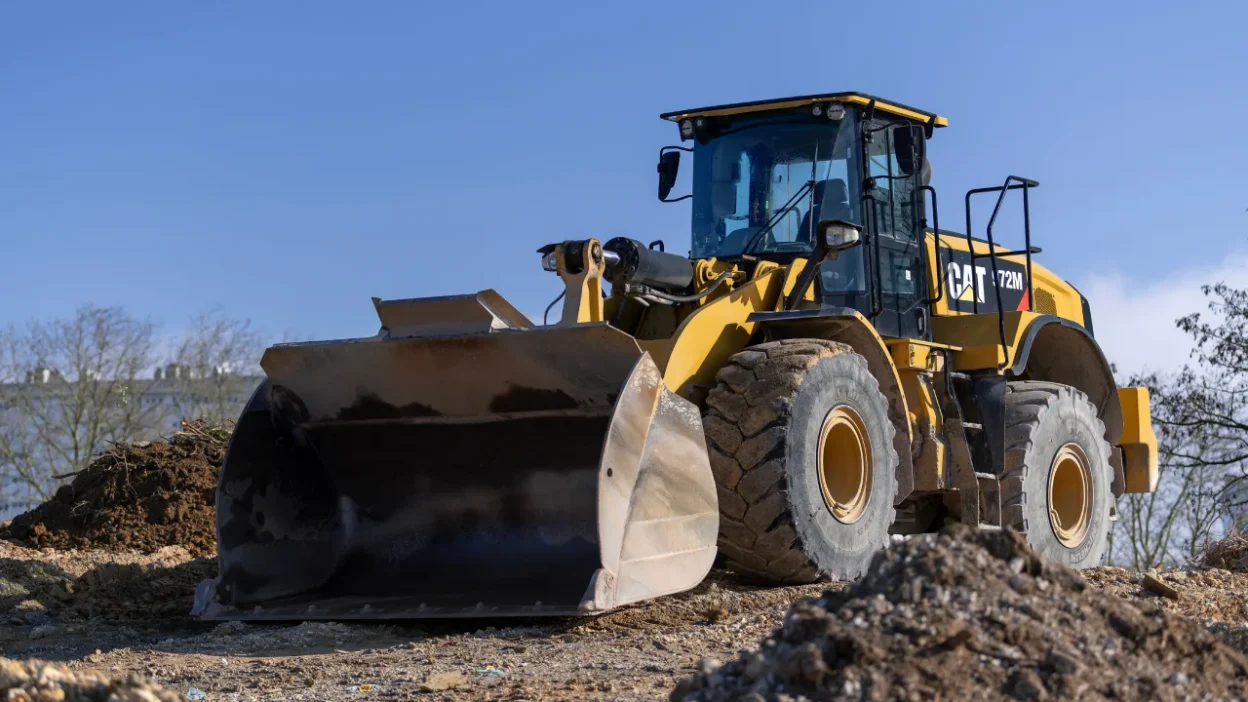
Buying heavy equipment has changed. It is 2026. Environmental regulations are tighter, fuel costs are volatile, and technology has moved from nice-to-have to essential. Selecting the best wheel loader for your operation is no longer just about horsepower or bucket size. It is about total cost of ownership, emissions compliance, and resale value.
This guide moves beyond basic specs. We analyze the market strategically to help you move from research to a confident purchase. Whether you need a compact unit for urban landscaping or a massive construction wheel loader for quarry work, the principles of smart selection remain the same.
We will cover wheel loader manufacturers, performance metrics, and the financial logic behind buying new versus used. JumboBee supports this journey by offering a transparent marketplace where you can find verified equipment, calculate landed costs instantly, and arrange global shipping without hidden fees.
Wheel Loaders Market in 2026: What Has Changed?
Understanding the market landscape helps you negotiate better and choose wiser. The wheel loaders market in 2026 is driven by efficiency and connectivity.
Global Market Overview
Demand is shifting. In North America and Europe, infrastructure bills passed in the early 2020s are now in full swing, driving demand for mid-sized production loaders. Conversely, the mining sector in South America and Africa is pushing for larger, durable machines.
A major shift in 2026 is the expansion of the rental market. Many contractors now prefer to rent for specific projects rather than buy. However, for core fleet operations, ownership remains the most cost-effective model. This dynamic has flooded the secondary market with high-quality, ex-rental machines, making it a prime time to buy used equipment on platforms like JumboBee.
Key Trends Shaping Wheel Loader Manufacturers
Four distinct trends define the current landscape:
- Electrification is standardizing: It is not just for prototypes anymore. Battery-electric loaders in the 2-ton to 5-ton range are common on urban jobsites due to noise and exhaust restrictions.
- Grade assist and automatics: Modern loaders now come with semi-autonomous digging features. This helps newer operators reach full bucket fill factors faster, reducing fuel burn.
- Telematics integration: Fleet managers demand real-time data. Wheel loader manufacturers are prioritizing connectivity to predict maintenance before a breakdown occurs.
- Stage V / Tier 4 Final compliance: In the EU, Stage V is the current standard. In North America, Tier 4 Final remains in force – there is no Tier 5 equivalent for off-road diesel engines as of 2026. Either way, engines must run cleaner, which impacts maintenance requirements for Diesel Particulate Filters and diesel exhaust fluid consumption. Watch for potential tightening of North American standards beyond 2027. To stay ahead of these regulatory shifts and ensure your fleet remains compliant, it is highly recommended to consult the Environmental Protection Agency guidelines for detailed emission tier schedules before making a purchase.
Top Wheel Loader Manufacturers in 2026
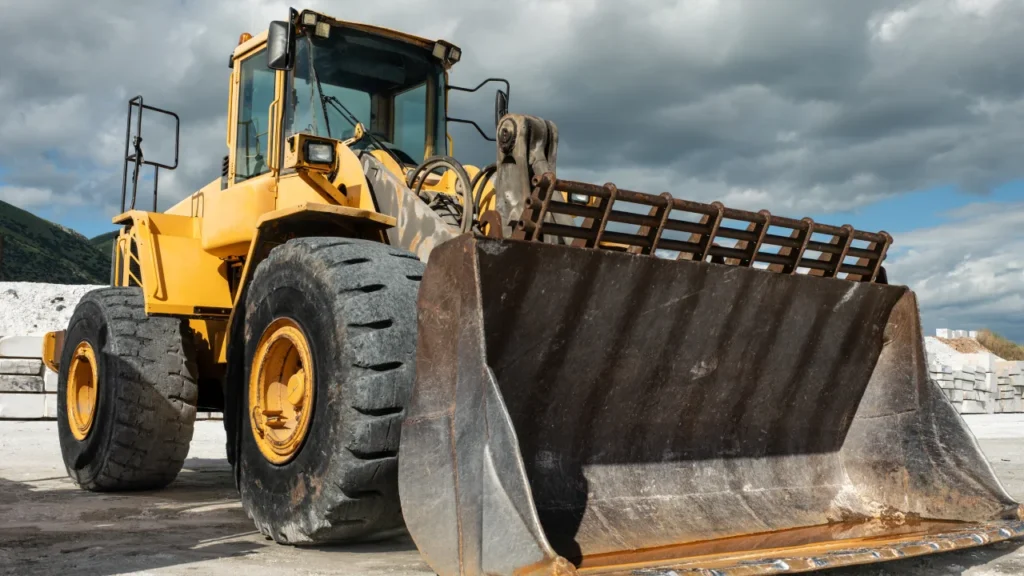
We do not rank brands 1 to 10 because the best depends on your application. Instead, we categorize loader brands by their market position and strengths.
Global Tier 1 Manufacturers
These brands represent the premium segment. They offer high resale value, extensive dealer support, and cutting-edge tech.
- Caterpillar: Remains the market leader for resale value. The Cat 900 series (e.g., 950, 966) sets the benchmark for reliability. In 2026, their onboard weighing systems are standard, ensuring you never under-load trucks.
- Volvo Construction Equipment: Known for fuel efficiency. Volvo’s OptiShift technology and high-torque-at-low-RPM engines make them a favorite for operations where fuel cost is a major concern.
- Komatsu: The master of hydraulics. Komatsu loaders offer incredibly smooth operation. Their hydrostatic transmission options in mid-sized loaders provide dynamic braking and speed control.
- John Deere: Strong in North America. Their 2017 acquisition of Wirtgen, the road construction and mineral technology group, has deepened their technology stack, particularly in road-building applications and fleet connectivity through the John Deere Operations Center. Deere loaders are praised for serviceability and parts availability.
- Liebherr: The technology pioneer. Their XPower driveline (combining hydrostatic and mechanical drives) offers the best of both worlds — efficiency in short cycles and power in long load-and-carry operations.
Value-Oriented and Regional Loader Brands
If your machine runs fewer than 1,000 hours a year, a Tier 1 machine might be overkill. Value brands offer excellent Return on Investment.
- XCMG: A global giant offering competitive pricing. Their parts network has expanded significantly by 2026, making them a viable option for Western markets.
- SDLG: Formerly majority-owned by Volvo CE until 2025, SDLG now operates independently under its parent Lingong Group. The machines still reflect the proven, no-frills Volvo-era technology they were built around – reliable workhorses for straightforward dirt moving, though dealer support in Western markets is worth verifying under the new ownership structure.
- Hyundai Construction Equipment: Bridges the gap between value and premium. They offer long warranties and comfortable cabs, making them a best buy contender for owner-operators.
- CASE Construction Equipment: Strong in the mid-range market. Known for good visibility and the SCR-only engine solution (no exhaust gas recirculation) on many older models, which simplifies maintenance.
What Defines Best Wheel Loader in 2026?
Ignore the paint color. Focus on the physics. To choose the best loader, you must evaluate five technical criteria.
Engine Power and Breakout Force
Horsepower gets the headlines, but torque does the work. Look for high torque at low revolutions per minute. Breakout force is the muscle — the ability to curl the bucket back while digging into a pile. If you work with blasted rock, high breakout force is non-negotiable.
Operating Weight and Stability
A loader cannot lift what it cannot counterweight. The Tipping Load (Full Turn) is your most important safety metric. Your safe operating load is roughly 50% of the full-turn tipping load. Never buy a machine that is borderline on weight; it will be unstable and unsafe.
Bucket Capacity and Cycle Time
Bucket size must match your material density. A 4-yard bucket for coal is different from a 4-yard bucket for granite. Cycle time is speed. A machine that completes a load cycle in 25 seconds versus 30 seconds moves 20% more material per hour.
Fuel Efficiency and Emission Standards
Fuel is your biggest variable cost. In 2026, the difference between a fuel-efficient construction wheel loader and a gas-guzzler can be $15,000 per year in diesel. Look for lock-up torque converters and auto-idle features.
Operator Technology and Visibility
If the operator cannot see, they cannot work safely. 360-degree camera systems are now expected. Comfort features like air-suspension seats and ride control (which absorbs bumps while traveling) keep operators productive for longer shifts.
Electric and Hybrid Construction Wheel Loaders
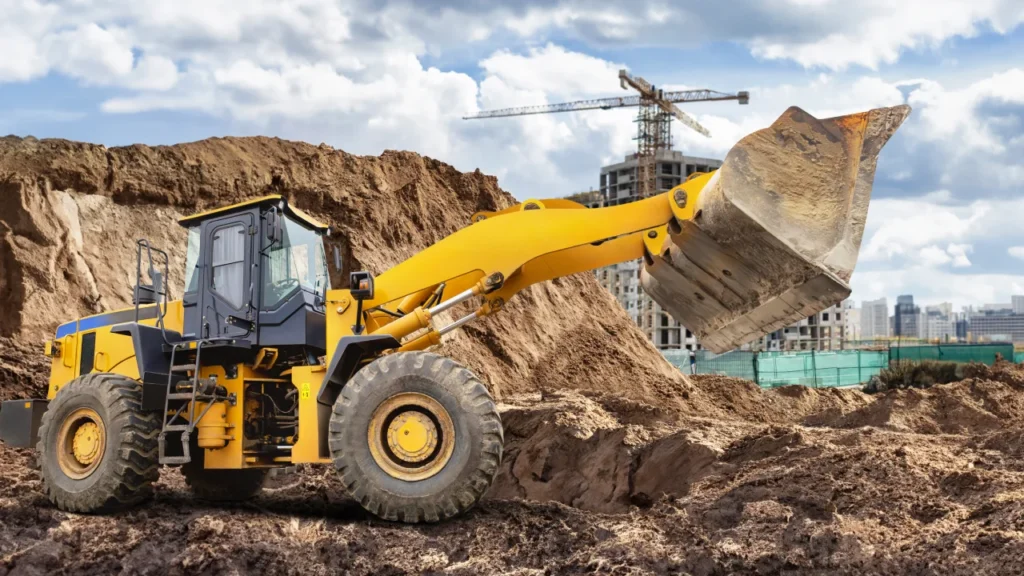
The shift is real. By 2026, the wheel loaders market has seen a surge in alternative power.
Battery-Powered Loaders
- Best for: Indoor work, urban zones, and night operations.
- Pros: Zero emissions, almost silent, instant torque, up to 90% less powertrain maintenance (no engine oil changes, no fuel filters, no DPF servicing).
- Cons: Higher upfront cost, charging infrastructure required.
- Return on investment: For a machine running 6 hours a day, the electricity cost is a fraction of diesel. The payback period is usually 3-4 years.
Diesel-Electric Drive Systems
- Best for: High-production quarries. Loaders like the Cat 988K XE (electric drive) keep the diesel engine but use it to generate electricity for electric drive motors. This keeps the engine at a constant, efficient speed, delivering up to 25% greater overall efficiency compared to a conventional drivetrain – with even higher gains of up to 49% in face-loading applications.
Best Wheel Loaders by Construction Scenario
There is no single best machine. There is only the best machine for the job.
Large-Scale Earthmoving
Recommendation: 25-35 Ton Class (e.g., Cat 980, Volvo L220).
You need pass-matching. If you are loading 40-ton articulated trucks, you want a loader that fills them in exactly 3 or 4 passes. A 5-pass match kills efficiency.
Urban Infrastructure Projects
Recommendation: 10-14 Ton Class (e.g., Deere 544, Cat 930).
Size matters here. You need a machine that can navigate tight streets but still lift heavy concrete pipes. Hydrostatic transmissions are preferred here for precise speed control.
Road Construction
Recommendation: Tool Carriers (Loaders with parallel lift linkage).
Road work involves forks as much as buckets. You are moving pallets of barriers and pipes. Parallel lift linkage keeps the load level automatically as you lift, which is safer for handling pallets.
Quarry & Aggregate Operations
Recommendation: 50+ Ton Class (e.g., Komatsu WA600, Cat 988).
Durability is key. These machines run 20 hours a day. Focus on wheel loader manufacturers that offer aggregates packages with heavy-duty axles and additional transmission cooling.
Rental Fleet Applications
Recommendation: Simple, mid-range machines (e.g., Case 621, Hyundai HL940).
Rental machines get abused. You want simple controls, minimal electronics to break, and widespread parts availability.
Total Cost of Ownership in 2026
Elite buyers calculate total cost of ownership before asking the price. Here is how you do it.
Purchase Price vs Operating Cost
A cheap machine is often expensive to run.
- Machine A (value brand): $150,000 purchase. Burns 5 gallons/hour. Resale in 5 years: $40,000.
- Machine B (premium brand): $200,000 purchase. Burns 3.5 gallons/hour. Resale in 5 years: $100,000.
Fuel Cost Modeling
Let’s do the math. Assume 1,500 hours/year and diesel at $4.00/gallon (a mid-range U.S. estimate for illustration – adjust for your region and current prices before applying this model to real purchasing decisions).
- Machine A fuel: 1,500 hrs × 5 gal × $4 = $30,000/year. 5-year cost = $150,000.
- Machine B fuel: 1,500 hrs × 3.5 gal × $4 = $21,000/year. 5-year cost = $105,000.
Maintenance and Parts Availability
A value brand often means waiting days for parts to ship across the globe, while premium brands usually offer robust local dealer networks and overnight availability. Let’s factor in routine repairs and the lost revenue from sitting idle waiting on parts.
- Machine A maintenance & downtime: $12,000/year in repairs + 5 days of downtime ($5,000/year lost). 5-year cost = $85,000.
- Machine B maintenance & downtime: $8,000/year in repairs + 1 day of downtime ($1,000/year lost). 5-year cost = $45,000.
5-Year TCO Comparison
Now combine them.
- Total cost machine A: $150k (Buy) + $150k (Fuel) + $85k (Maintenance & downtime) – $40k (Resale) = $345,000.
- Total cost machine B: $200k (Buy) + $105k (Fuel) + $45k (Maintenance & downtime) – $100k (Resale) = $250,000.
- Result: The expensive machine saves you $95,000 over 5 years. This is why choosing the best wheel loader requires math, not just sticker price comparison.
Comparing Wheel Loader Brands: Strengths at a Glance
| Brand | Tech Level | Fuel Efficiency | Dealer Network | Resale Value | Price Tier |
|---|---|---|---|---|---|
| Caterpillar | High | High | Very High | Very High | Premium |
| Volvo | High | Very High | High | High | Premium |
| Komatsu | High | Medium / High | High | High | Premium |
| John Deere | Medium/High | Medium | High (US) | Medium / High | Premium |
| XCMG | Medium | Medium | Medium | Low / Medium | Value |
| Hyundai | Medium | Medium / High | Medium | Medium | Mid-Range |
| Liebherr | Very High | Very High | Medium | High | Premium |
| CASE | Medium | Medium | Medium / High | Medium | Mid-Range |
| SDLG | Low / Medium | Medium | Low / Medium | Low | Value |
Common Mistakes When Choosing a Wheel Loader
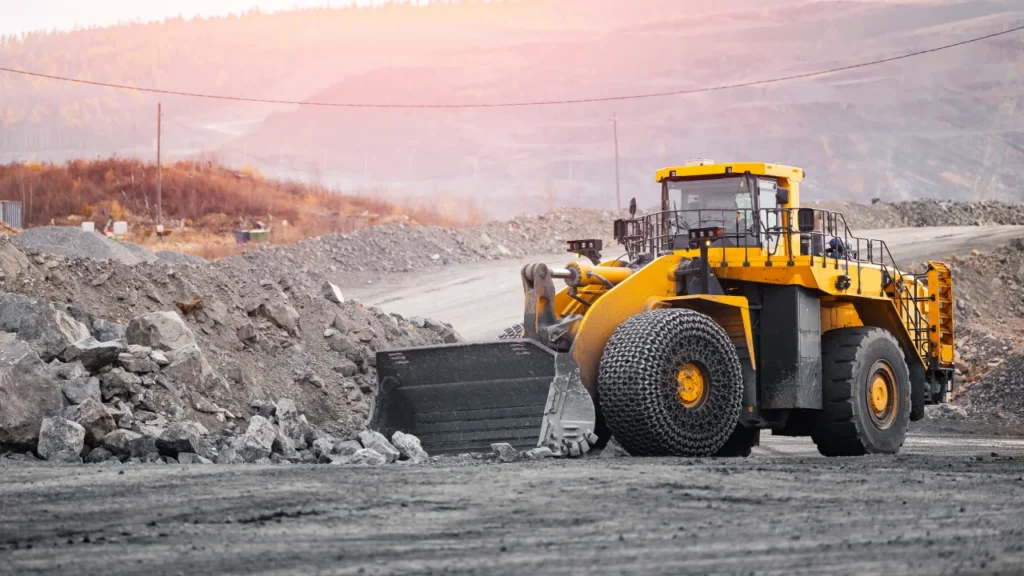
Avoid these pitfalls to protect your margins.
- Oversizing machine: Buying a construction wheel loader that is too big for the job is a double loss. You pay more upfront and you burn fuel moving the machine’s own weight rather than dirt. Only buy the capacity you need.
- Ignoring cycle efficiency: Don’t just look at bucket size. Look at hydraulic speed. A smaller bucket moving faster often outperforms a larger bucket moving slower.
- Focusing only on upfront cost: As shown in the total cost of ownership section, the purchase price is only about 15-20% of the total lifetime cost. Do not trip over dollars to pick up pennies.
- Underestimating fuel impact: Fuel is usually the largest single expense over the life of the machine, often exceeding the purchase price. Ignoring fuel efficiency ratings is a financial error.
- Overlooking resale: If you plan to upgrade in 3-5 years, you must buy a brand that holds value. Niche or unsupported loader brands can be nearly impossible to sell on the used market.
Decision Framework: How to Choose Best Wheel Loader for Your Project
Use this checklist before you browse JumboBee’s inventory.
- Define jobsite conditions: Is it muddy? You might need locking differentials. Is it indoors? You need electric.
- Estimate material density: Are you moving loose mulch (800 lbs/yd³) or wet sand (3,000 lbs/yd³)? This dictates your bucket size.
- Calculate required bucket size:
- Target Production: 300 tons/hour.
- Cycles per hour: 60 (assuming a 1-minute cycle including truck travel; short-cycle loading without travel can reach 100–120 cycles/hour).
- Required Payload: 300 / 60 = 5 tons per pass.
- Bucket: Find a bucket that holds 5 tons of your specific material.
- Model fuel cost: Estimate annual hours and apply current fuel prices.
- Evaluate total cost of ownership: Run the calculation shown in the financial modeling section.
- Compare dealer support: Can you get parts in 24 hours?
Future Outlook: Where Wheel Loaders Market Is Heading
Technology is moving fast. By late 2026 and into 2027, expect to see:
Electrification Acceleration
Battery density is improving. We will soon see 20-ton loaders running full shifts on a single charge.
Autonomous Loaders
Fully autonomous loading in controlled environments (like asphalt plants) is becoming a reality. These machines communicate directly with the plant to feed material exactly when needed.
Data-Driven Fleet Management
Your loader will tell you when it needs service, how much fuel it burned per ton of material moved, and if the operator is being aggressive. This data is gold for optimizing profit.
Final Thoughts
The best wheel loader in 2026 is not simply the one with the most horsepower. It is the machine that moves the most material for the lowest cost per ton while keeping your operator safe.
Leading wheel loader manufacturers like Cat, Volvo, and Komatsu are pushing the boundaries of efficiency, while value brands are offering accessible performance. Your job is to match the machine specs to your reality.
Ready to find your next machine?
Stop guessing at costs. JumboBee offers a transparent, safe, and global marketplace for heavy equipment.
- Browse inventory: Access hundreds of verified wheel loader brands.
- Check specs: Use our Model DB to compare weights and breakout forces.
- Get delivered: See the final price including shipping and customs instantly.







1 comment
very cool post