


 Selling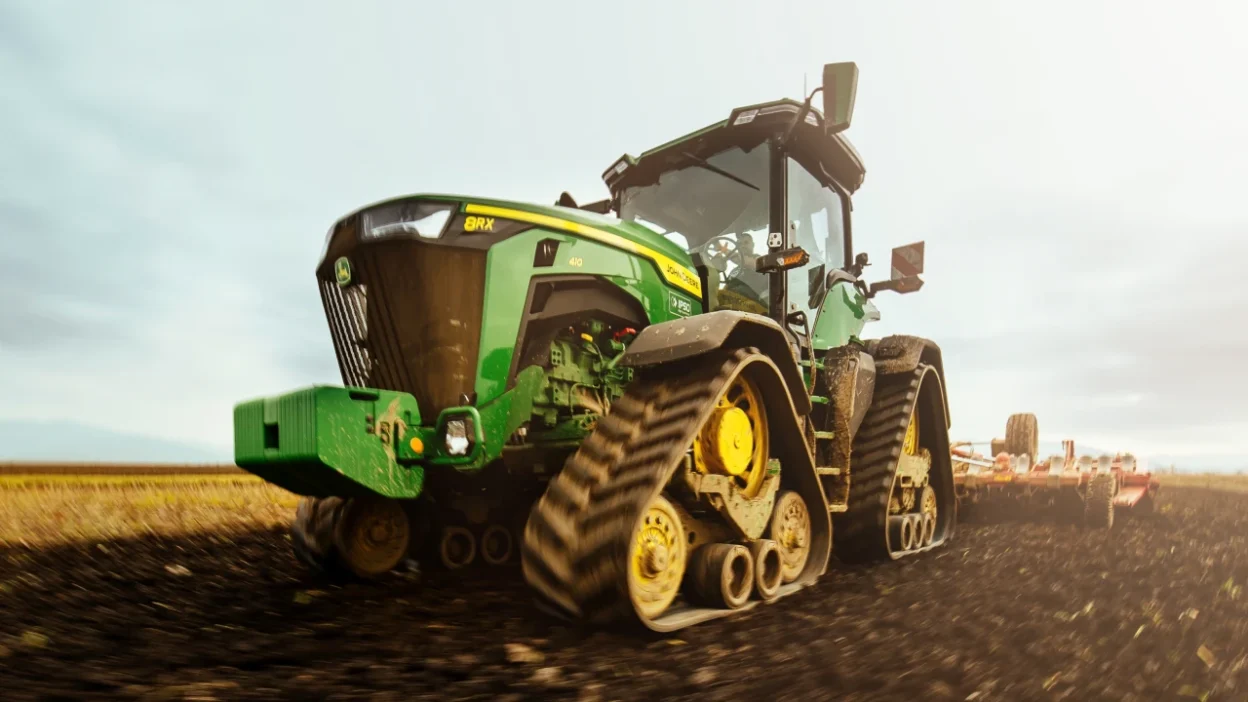
In global machinery trade, infrastructure projects are expanding across developing nations, while agricultural modernization pushes forward in emerging economies. For sellers based in North America, this creates massive opportunities. Buyers worldwide are actively seeking reliable machinery, and they are looking to North American inventories to fill their operational gaps.
We’ll explore global demand for U.S. heavy equipment and identify most promising export markets. Let’s see what drives demand in different regions, which types of machinery sell best, and how to approach international markets strategically. Whether you represent a large dealership or an independent contracting firm, understanding these dynamics will help you make informed export decisions and maximize your global reach.
Why U.S. Heavy Equipment Is in Demand Worldwide
Buyers across the globe specifically target machinery originating from the United States. This preference is not accidental. It stems from several structural advantages inherent to the North American market, which currently dominates the global secondary machinery trade.
Reputation for durability and reliability stands as a primary factor. U.S. contractors and farmers generally adhere to strict maintenance schedules, heavily influenced by comprehensive dealer service plans and readily accessible original equipment manufacturer parts. When a 2018 John Deere 333G skid steer completes its first lifecycle on an American farm, it usually retains excellent working condition. International buyers know they are acquiring machinery with significant remaining operational life.
Wide availability of used equipment also plays a crucial role. North America possesses one of the largest secondary markets for machinery globally, in a sector Research and Markets valued at roughly $84.0 billion worldwide in 2025, projected to reach $111.6 billion by 2032. Fleet turnovers happen frequently due to tax incentives (like Section 179), lease expirations, and corporate upgrades. This creates a vast pool of high-quality used inventory that simply does not exist at the same scale elsewhere.
Consistent supply compared to many regions ensures buyers can find exactly what they need. To put the sheer volume of this trade into perspective, the U.S. machinery sector is a massive driver of international commerce, with total U.S. machinery exports valued at $297 billion in 2024 (accounting for 9% of all U.S. exports), per data from the International Trade Administration. While a buyer in North Africa might wait six months for a specific tractor model locally, they can locate multiple units immediately available for heavy equipment export from U.S. ports. Global demand is fundamentally driven by these gaps in local markets. Buyers turn to international sourcing when their domestic supply chains fail to deliver the right machinery at the right time.
What Drives Demand in International Equipment Markets
Understanding international trade requires looking at market constraints. Buyers do not import machinery simply for variety. They import because local economic and logistical conditions force them to look outward.
Limited local inventory restricts operations in many emerging markets. Dealership networks in certain parts of South America or Southeast Asia may focus on smaller machinery or specific brands, reflecting the equipment mix that’s historically been in local demand. When a contractor wins a massive highway project on a tight deadline, the fleet requirements can outpace what’s immediately available nearby — and buyers look beyond their home market to source additional units on the timeline the project demands.
High cost of new machinery pushes buyers toward the secondary market. Economic conditions in early 2026 feature fluctuating currency values and elevated interest rates in various global regions. With the global farm equipment market reaching an estimated $162.39 billion in 2025 and growing at a 6.0% CAGR (according to SkyQuest Analysis), brand-new machinery pricing has become financially unviable for many mid-sized agricultural or construction firms. High-quality used North American machinery offers a perfect middle ground, providing modern technology at a fraction of the cost.
Infrastructure development creates sudden spikes in demand. Governments in developing nations are heavily investing in roads, ports, and housing. These mega-projects require vast fleets of earthmoving machinery. According to PwC’s Global Infrastructure Outlook 2025–50, global infrastructure investment is projected to grow from $4.4 trillion in 2024 to $6.9 trillion annually by 2050 — $151.1 trillion cumulatively — with Asia-Pacific accounting for the largest regional share, over 52%. Local manufacturing simply cannot absorb this sudden surge in demand, forcing contractors to look internationally to acquire reliable fleets.
Agricultural expansion acts as another massive catalyst. As global populations rise, countries are pushing to increase crop yields. This requires upgrading from manual labor or outdated low-horsepower tractors to modern combines and high-capacity tractors. Agricultural equipment export thrives precisely because developing nations are rapidly mechanizing their farming sectors to ensure food security, leaving a massive gap that the North American used equipment market is perfectly positioned to fill.
Key Regions Importing Heavy Equipment from U.S.

Different regions present unique opportunities based on their specific economic drivers and geographical constraints.
Latin America
Latin America remains a powerhouse destination for North American machinery. Countries like Brazil, Argentina, and Chile possess massive agricultural and mining sectors.
Demand for cost-effective used equipment is exceptionally high here. Brazilian farmers expanding soybean production require reliable, high-horsepower tractors and combines. However, heavy import taxes on brand-new machinery often make used imports much more attractive.
Strong agriculture and construction sectors drive consistent volume. Mining operations in the Andes require heavy-duty excavators and wheel loaders. Agricultural equipment export to this region peaks just before major planting seasons, as farmers upgrade their fleets to handle larger acreage.
Preference for reliable imported machinery stems from historical performance. Operators in Latin America trust North American maintenance records. They know machines coming from U.S. soil have likely been serviced correctly, reducing risks of catastrophic failure during critical harvest or excavation windows.
Middle East
Middle Eastern markets operate on a massive scale. Saudi Arabia and the United Arab Emirates are executing some of the largest infrastructure projects underway anywhere in the world throughout 2026.
Ongoing infrastructure and development projects require endless fleets of earthmoving equipment. Entire new cities and transit networks are being built from the ground up.
Demand for durable and high-performance equipment is non-negotiable. Machinery operating in the Middle East must withstand extreme heat, fine sand, and continuous operation. Buyers specifically look for models known for robust cooling systems and heavy-duty filtration.
Need for quick equipment availability drives buyers to U.S. markets. When a contractor wins a bid for a mega-project, they need machines on site immediately. The vast North American inventory allows Middle Eastern buyers to source dozens of identical machines quickly, rather than piecing together a fleet over several months.
Africa
Africa represents a rapidly maturing market with immense long-term potential. Nations like Egypt, Nigeria, and South Africa are aggressively modernizing.
Growing construction and logistics sectors require foundational machinery. Road building, port expansions, and urban development are top priorities.
Reliance on imported machinery is a defining characteristic of the African market. Domestic manufacturing of heavy machinery is minimal. Therefore, almost all mechanized growth depends directly on heavy equipment export from developed nations.
Local distribution networks are still developing across many parts of the continent, and dealer coverage doesn’t yet extend to every equipment category or brand. To fill these gaps, buyers in Africa are increasingly using global platforms alongside local channels, sourcing additional units directly from U.S. sellers and handling the logistics to bring machines to their job sites.
Southeast Asia
Southeast Asia combines rapid economic growth with challenging geographical environments. Countries like Indonesia, Vietnam, and the Philippines are transforming quickly.
Rapid urbanization demands compact and mid-sized construction equipment. Cities are expanding, requiring excavators and loaders that can maneuver in tighter urban spaces compared to the massive machines used in open-pit mining.
Expanding agricultural production focuses heavily on palm oil, rice, and sugarcane. This drives specific needs for durable tractors and harvesting attachments capable of operating in humid, muddy conditions.
Increasing demand for imported equipment is fueled by a desire for technological upgrades. Local buyers are moving away from older, less efficient machinery and seeking machines with better fuel economy and GPS capabilities, which are abundant in the U.S. secondary market.
What Types of Heavy Equipment Sell Best Globally
Certain categories of machinery move faster on the international market than others. Success in exporting heavy equipment requires knowing exactly which machines are universally desired.
| Equipment Type | Typical Use Cases | Strongest Regions | Why Demand Exists |
|---|---|---|---|
| Excavators | Trenching, mining, foundation digging | Middle East, Southeast Asia | Essential for any ground-breaking infrastructure project. Highly versatile with various attachments. |
| Loaders | Material handling, loading trucks, clearing debris | Africa, Latin America | Crucial for mining and large-scale construction logistics. Fast movement of bulk materials. |
| Bulldozers | Land clearing, grading, road building | Middle East, Africa | Primary tool for establishing new infrastructure pathways and clearing raw land. |
| Tractors | Plowing, planting, towing implements | Latin America, Africa | Backbone of mechanized farming. High horsepower models are critical for large-scale crop production. |
| Combines | Harvesting grain, corn, soybeans | Latin America, Eastern Europe | Maximizes harvest efficiency. Essential for large agricultural operations facing tight weather windows. |
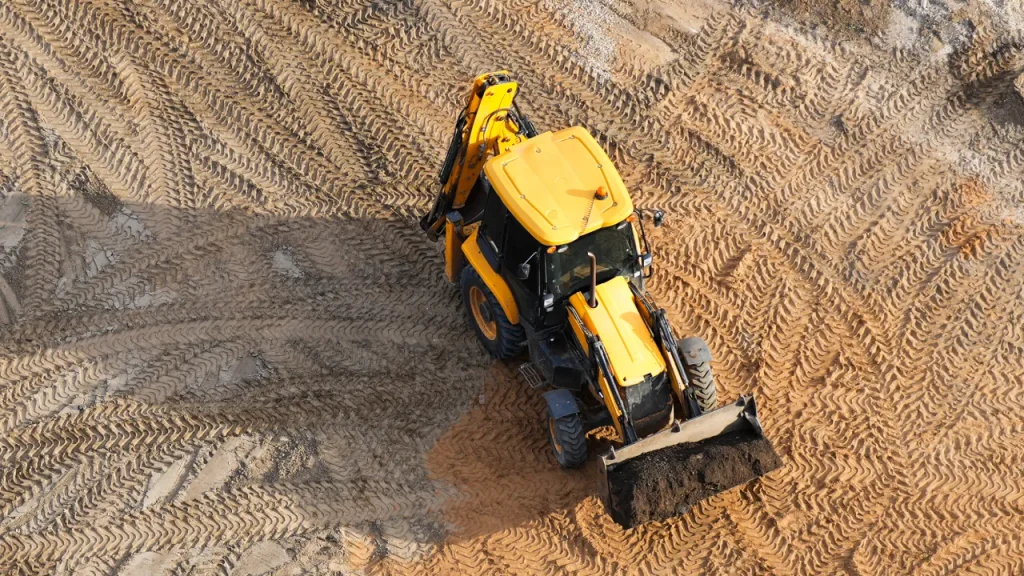
Excavators represent the most liquid asset in heavy machinery. From 20-ton models for urban construction to massive 90-ton machines for mining, they are needed everywhere.
Loaders follow closely behind. Wheel loaders are particularly popular in regions with expanding quarry and mining operations, such as parts of Africa and South America.
Bulldozers are heavily demanded in regions undergoing raw land development. The Middle East and Africa consume large numbers of bulldozers for road construction and desert reclamation projects.
Tractors dominate agricultural equipment export volumes. A John Deere 8R 370 or similar high-horsepower tractor is highly sought after in regions expanding their tillable acreage.
Combines are seasonal but highly lucrative. Buyers in the Southern Hemisphere often look to purchase used U.S. combines right after the North American harvest concludes, timing the delivery perfectly for their own harvest season.
Why Same Equipment Sells Differently Across Markets
Assuming a single piece of machinery holds the same value everywhere is a common mistake. A 2023 John Deere 9R 440 might sell within days to a buyer in South America but sit ignored by buyers in Southeast Asia. Understanding these variations is key to successful international trade.
Regional availability differences dictate pricing power. If a specific brand has zero dealer presence in a certain country, buyers will avoid it because they cannot source replacement filters or hydraulic parts. Conversely, if a country has a massive network of independent mechanics trained on Case IH machinery, those specific machines will command a premium in that region.
Logistics accessibility changes the final cost dramatically. Shipping a massive combine harvester requires specialized Roll-on/Roll-off vessels or extensive dismantling to fit into standard shipping containers. If a destination country only has deep-water ports equipped for containerized freight, selling oversized, non-dismantled machinery there becomes logistically impossible or prohibitively expensive.
Manufacturer distribution limitations create artificial boundaries. Sometimes, specific engine emission standards dictate where a machine can operate. A machine built with strict Tier 4 Final emissions systems requires ultra-low sulfur diesel. If a target market only has access to high-sulfur fuel, that advanced engine will fail rapidly. Therefore, older machines with simpler engines often sell for higher prices in developing nations than newer, more complex models.
Demand variability is tied to local seasons and economies. You cannot successfully push snow removal equipment to equatorial regions, just as you will struggle to sell forestry equipment in desert nations. Market constraints dictate everything. Success comes from aligning your inventory with the specific constraints of the target region.
How to Identify Right Market for Your Equipment
Finding the optimal buyer requires a strategic approach. You must move beyond hoping a buyer finds your listing and instead actively position your machinery for the right audience.
Match equipment type to regional demand first. If you are selling a fleet of mid-sized excavators, your target audience is likely in rapidly urbanizing regions like Southeast Asia or North Africa. If you hold high-horsepower agricultural machinery, focus your attention on Latin America or Eastern Europe.
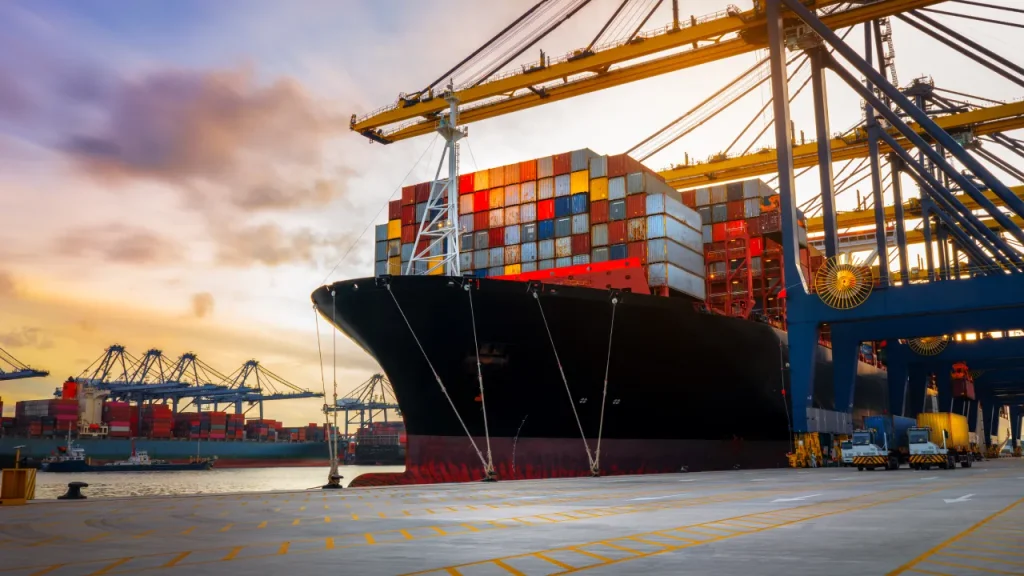
Consider logistics routes carefully. Ocean freight costs fluctuate based on shipping lanes. Shipping from the U.S. East Coast to Europe or Africa is generally straightforward. Shipping from the U.S. West Coast to Asia is similarly efficient. However, moving a machine from a landlocked state in the U.S. to a remote inland location in Africa involves complex rail, ocean, and heavy-haul truck logistics.
Evaluate ease of export before committing to a market. Some countries have strict age limits on imported machinery to prevent becoming dumping grounds for obsolete tech. Others require specific pre-shipment inspections.
No universal market exists. Everything depends on the specific machine. To determine viability, run a basic landed cost calculation. Take your asking price, add estimated inland transport to the U.S. port, add ocean freight, and add the destination country import duties. If that total landed cost is still 10% to 20% lower than the local market price in the destination country, you have found a highly viable export market.
Common Challenges in Exporting Heavy Equipment
While exporting heavy equipment opens massive revenue streams, it requires navigating specific logistical and regulatory hurdles.
Shipping complexity is the most immediate barrier. Heavy machinery rarely fits neatly into standard shipping boxes. You must decide whether to use Roll-on/Roll-off shipping, where the machine is driven onto a specialized vessel, or dismantle the machine to fit it into standard 40-foot containers. Dismantling saves ocean freight costs but requires skilled labor at both the origin and destination to take the machine apart and put it back together safely.
Documentation must be flawless. International customs agencies do not accept minor errors. You will need a commercial invoice, a detailed packing list, a bill of lading, and often specific certificates of origin. Missing a single stamp can result in a machine sitting in a port for weeks, racking up massive storage fees.
Compliance requirements vary wildly. The International Trade Administration provides excellent frameworks for 2026 export regulations, detailing restricted parties and dual-use technology restrictions. (FD Associates, Inc.) You must ensure the buyer is legally allowed to purchase the equipment and that the destination country permits the import of that specific machinery class.
Cost visibility remains a struggle for independent buyers and sellers. Hidden fees, unexpected port handling charges, and fluctuating currency exchange rates can quickly destroy profit margins if not calculated correctly upfront.
How to Spot Export Opportunities Without Relying on Guesswork
Successful heavy equipment export relies on data, not intuition. You must analyze market signals to understand where machinery is needed before the local buyers even begin their search.
Analyzing demand signals involves watching macroeconomic trends. If you read that a specific African nation has just secured a multi-billion dollar loan from the World Bank for highway development, you immediately know demand for graders, bulldozers, and excavators will spike in that region over the next six months.
Comparing markets requires looking at local resale values. Use international listing sites to check what a 2021 John Deere 8R 370 sells for in Brazil versus South Africa. If the average price in Brazil is $450,000 and the price in South Africa is $380,000, your focus for agricultural equipment export should clearly shift toward South American buyers.
Tracking equipment availability helps you understand supply shortages. If you notice a complete lack of low-hour skid steers in a specific European market, that scarcity indicates a prime opportunity to export North American inventory into that vacuum.
Adopting a data-driven approach removes emotion from the process. You simply look for regions where local prices are high, local supply is low, and logistics routes are established. When those three factors align, you have a guaranteed export opportunity.
How JumboBee Helps You Access Global Equipment Markets
Navigating international trade logistics, verifying foreign buyers, and managing complex shipping routes can overwhelm even experienced dealerships. JumboBee eliminates these barriers by providing a comprehensive global marketplace designed specifically for heavy machinery trade.
Access to international listings allows buyers to expand beyond limited local inventories and source directly from top-tier North American sellers. Sellers instantly gain visibility across more than 100 countries, putting their machinery in front of serious, verified buyers worldwide.
Visibility into different markets is built into the platform. You can compare equipment globally, understanding exactly what machines are selling for in different regions. JumboBee ensures you know the full cost instantly. There are no hidden fees or surprise platform charges. You see the cost of the equipment, shipping, inspections, and fees before you finalize any transaction.
Support with logistics transforms complex international trades into simple transactions. JumboBee handles shipping, customs, and import/export compliance. Whether a machine requires Roll-on/Roll-off transport or specialized disassembly and containerization, the platform manages the process so equipment arrives ready for use.
Explore equipment across our global hub. Compare markets to find the best value. Find global opportunities today by signing up and connecting with verified buyers and sellers on JumboBee.
Conclusion
Global demand for U.S. machinery remains incredibly strong throughout 2026. Buyers worldwide recognize the value, durability, and availability of North American fleets. However, success in this industry requires more than just having good inventory.
Demand varies significantly by region, driven by local economic projects, agricultural seasons, and logistical constraints. Success depends entirely on understanding these market dynamics and positioning your machinery where it solves a specific local problem.
Global platforms simplify access to these lucrative opportunities. By utilizing streamlined logistics, verified user networks, and transparent pricing structures, anyone can successfully participate in the international machinery trade. The global market is waiting; you simply need the right tools to reach it.





Be the first to leave a comment
There are no replies to this post yet. Share your thoughts and help start the conversation.