 Selling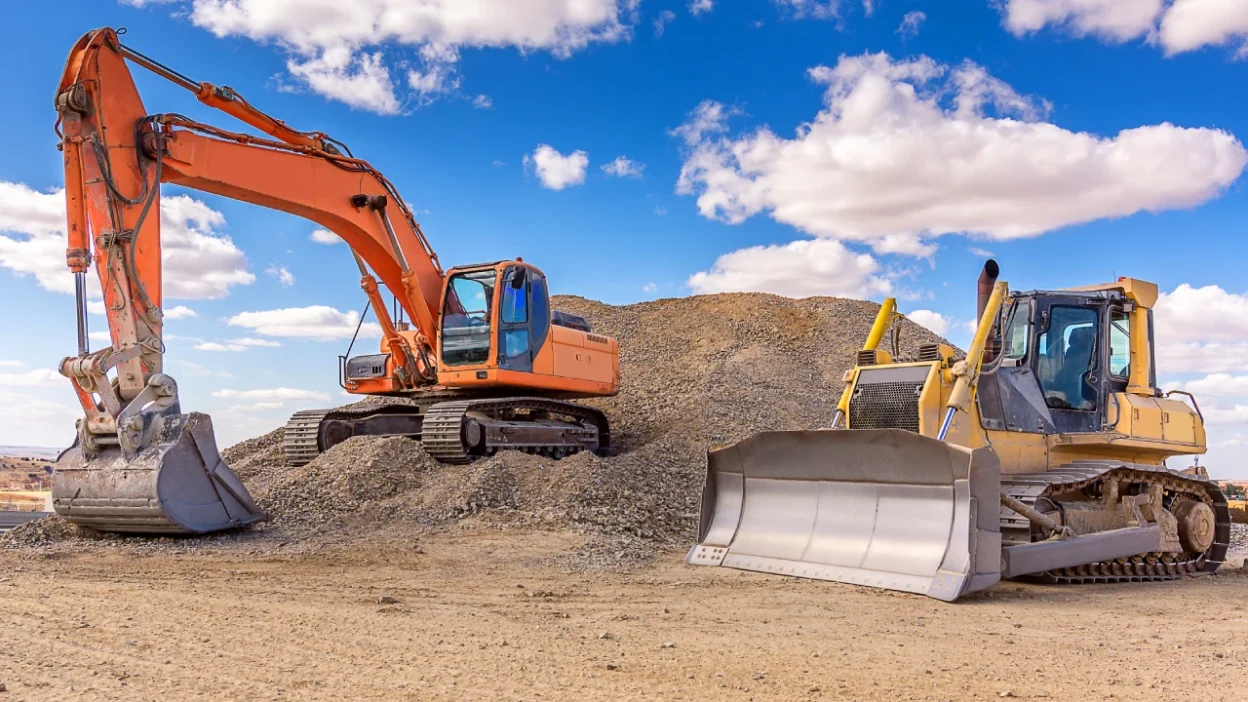
The global construction landscape is shifting rapidly. In 2026, buying heavy machinery is no longer just about securing the biggest engine or the largest bucket. It is about precision, fuel efficiency, and, most importantly, Return on Investment. Contractors and exporters are moving away from impulse purchases toward data-driven decisions.
We see a distinct evolution in how professionals acquire machinery. While brand loyalty remains strong for giants like Caterpillar and Komatsu, the real story of the years before 2026 is the explosion of the used equipment market. Supply chain stabilization has returned, but price hikes on new models have made high-quality used machinery the smartest financial move for businesses from Texas to Tanzania.
This guide analyzes the best-selling construction equipment of the year. We look beyond the brochures to understand real market movements, pricing strategies, and why certain machines hold their value better than others. Whether you are a dealer looking to stock up or a contractor needing a reliable excavator, this data will help you trade smarter.
Global Construction Equipment Market Overview
Understanding the macro environment helps you predict price trends and availability. 2026 is characterized by a stabilize and optimize approach.
Industry Growth and Sales Performance
The global construction equipment market is projected to exceed $150 billion in value this year. However, the volume of units sold tells a more interesting story. We are seeing a Compound Annual Growth Rate hovering around 4-5%, but regional disparities are massive.
- North America: Driven by infrastructure renewal and the replacement cycle of aging fleets. Sales here are steady, with a heavy focus on excavators and compact track loaders.
- Asia-Pacific: Continues to lead in sheer volume, driven by urbanization in developing nations.
- MENA (Middle East & North Africa): Experiencing a surge in demand for heavy earthmoving equipment for mega-projects (like NEOM in Saudi Arabia) and general infrastructure development.
- Latin America: Showing strong demand for used agriculture and construction machinery imported from the US, favoring older, mechanical engines that are easier to service.
Economic factors driving these sales include stabilized interest rates and a global push for infrastructure modernization. Governments are releasing funds for road building and energy projects, directly correlating to a spike in asphalt paver and grader sales.
Shift in Buying Behavior
Buyers are smarter in 2026. The days of buying a machine solely because “we always buy this brand” are fading.
- Total cost of ownership (TCO): Buyers now calculate fuel consumption, maintenance intervals, and resale value before signing a check.
- Telematics and data: Machines that offer real-time health monitoring sell faster. Fleet managers want to know where their assets are and how much fuel they burn.
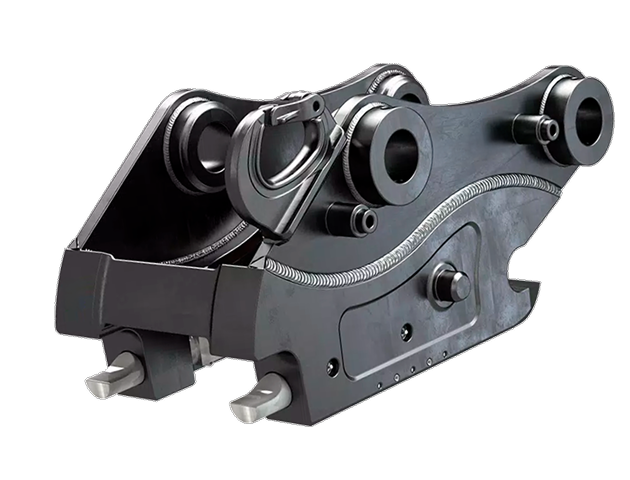
- Versatility: Single-purpose machines are seeing a decline. Contractors prefer equipment that can use multiple attachments. A skid steer that can sweep, dig, and lift is more valuable than a machine that only digs.
- Sustainability: While electric heavy iron is still a niche, hybrid excavators and fuel-efficient Tier 4 Final engines are becoming standard requirements for bidding on government contracts in Western markets.
Best Construction Equipment by Category
Sales data from earlier highlights specific categories that are outperforming the rest. Here is where the money is going.
Earthmoving Equipment
Earthmoving remains the backbone of the industry, accounting for nearly 60% of total equipment sales volume.
Excavators
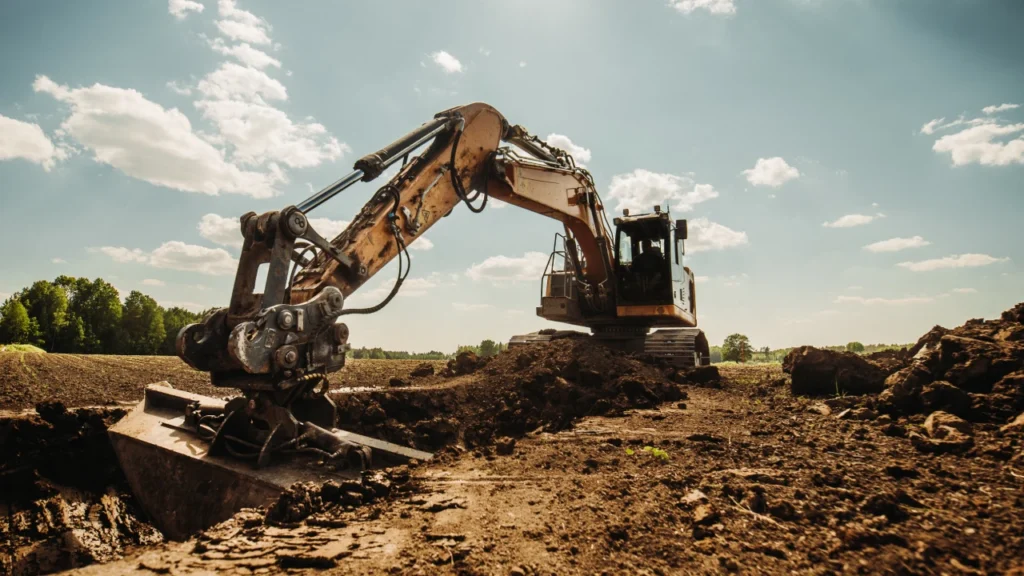
Crawler excavators are the undisputed kings of the job site. The 20-ton to 30-ton class (like the CAT 320 or Komatsu PC210) dominates global sales.
- Why they dominate: They offer the perfect balance of power and transportability. You can move them on a standard lowboy trailer, yet they have enough breakout force for serious digging.
- Resale value: High. A well-maintained 20-ton excavator depreciates slower than almost any other machine type.
Wheel Loaders
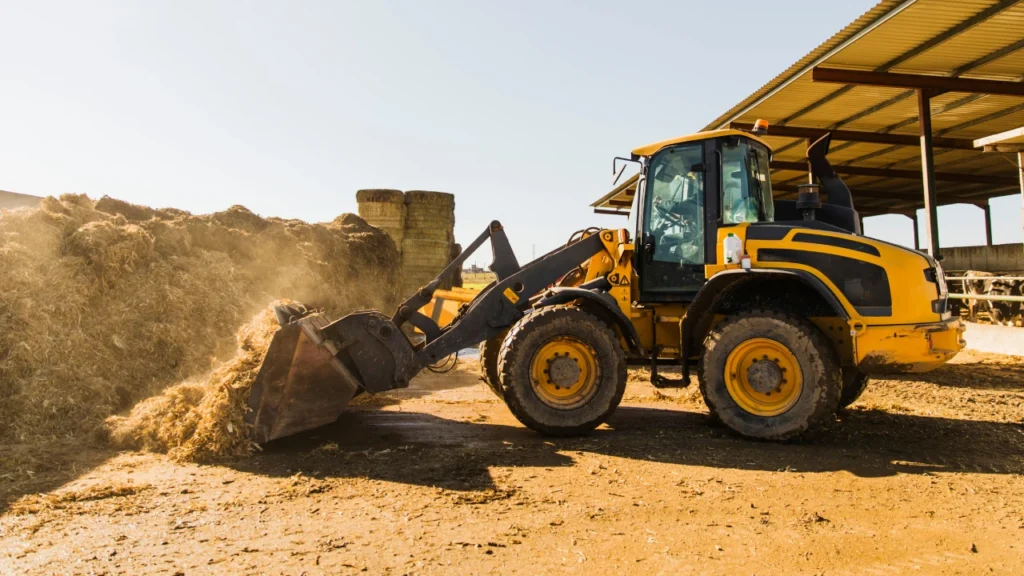
Mid-sized wheel loaders (3-4 yard bucket capacity) are seeing massive volume. They are essential for batch plants, quarries, and general site cleanup. Models like the John Deere 644 series are frequent best-sellers.
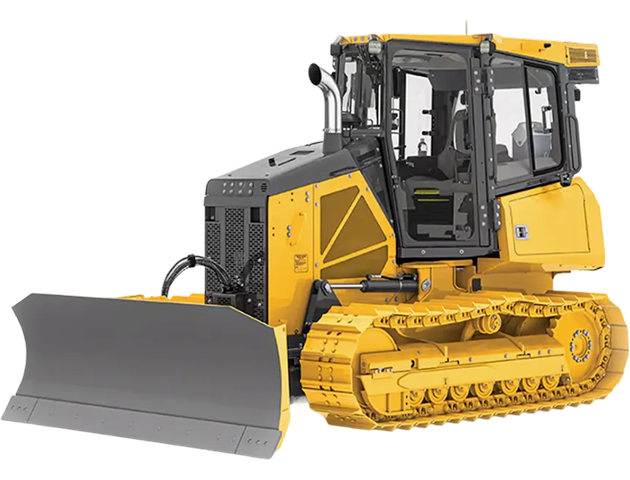
Bulldozers
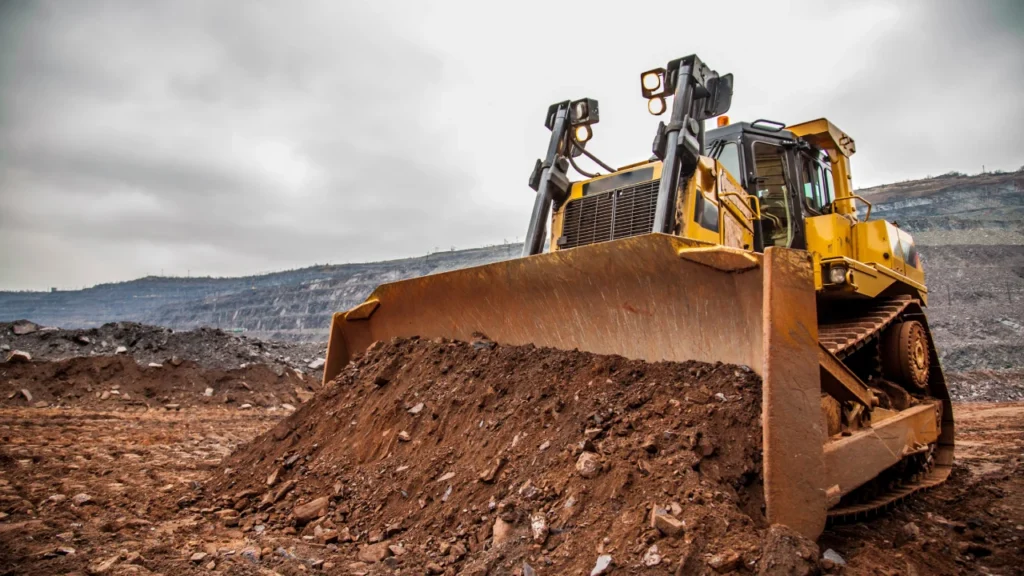
Sales are steady but specialized. The shift is toward intelligent dozers with integrated GPS and grade control. Buyers are willing to pay a premium for a machine that allows a novice operator to grade like a pro.
Material Handling Equipment
As construction sites become tighter and more vertical, the need to lift and place materials precisely has skyrocketed.
Telehandlers
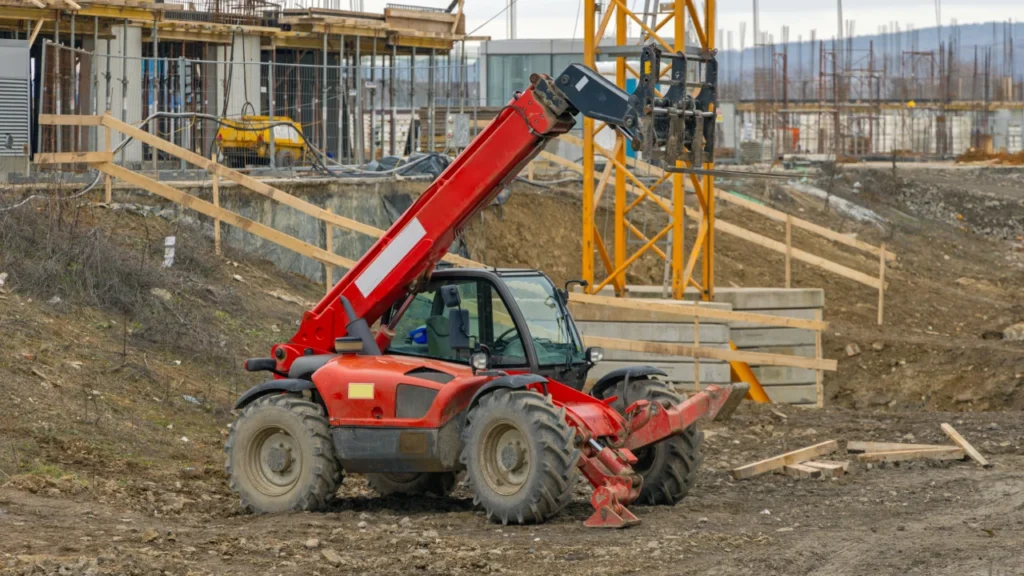
These are the breakout stars of 2026. Sales of telehandlers (Zoom Boom) have outpaced traditional forklifts on construction sites.
- Top sellers: 10,000 lb capacity models with 55-foot reach (e.g., JLG 1055, Genie GTH-1056).
- Driver: Versatility. With a bucket, it’s a loader. With forks, it’s a lift. With a hook, it’s a crane.
Cranes
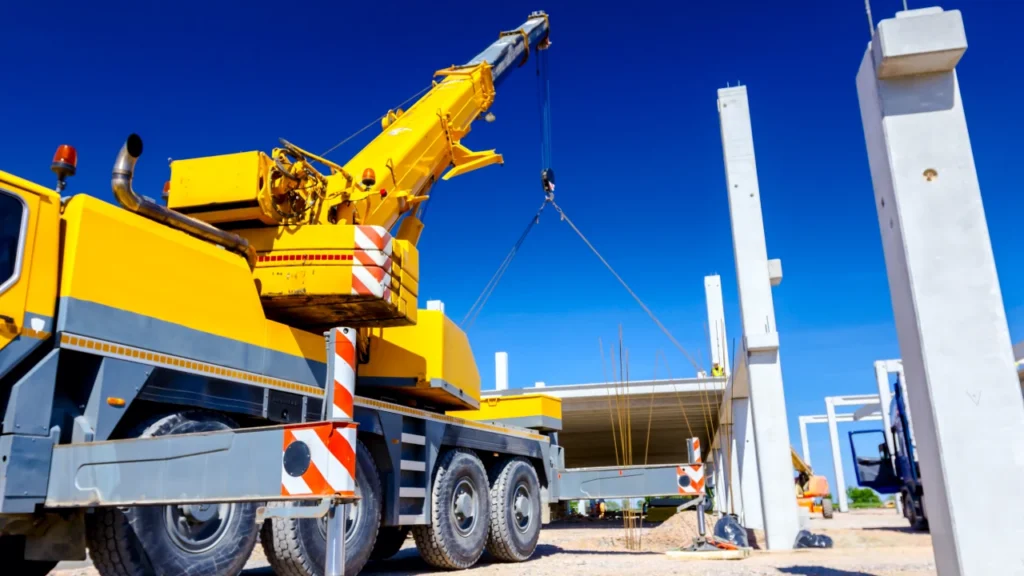
All-terrain cranes are leading this segment due to their mobility. However, used rough-terrain cranes are seeing high export demand to developing markets where static lifting power is needed at a lower price point.
Road and Paving Equipment
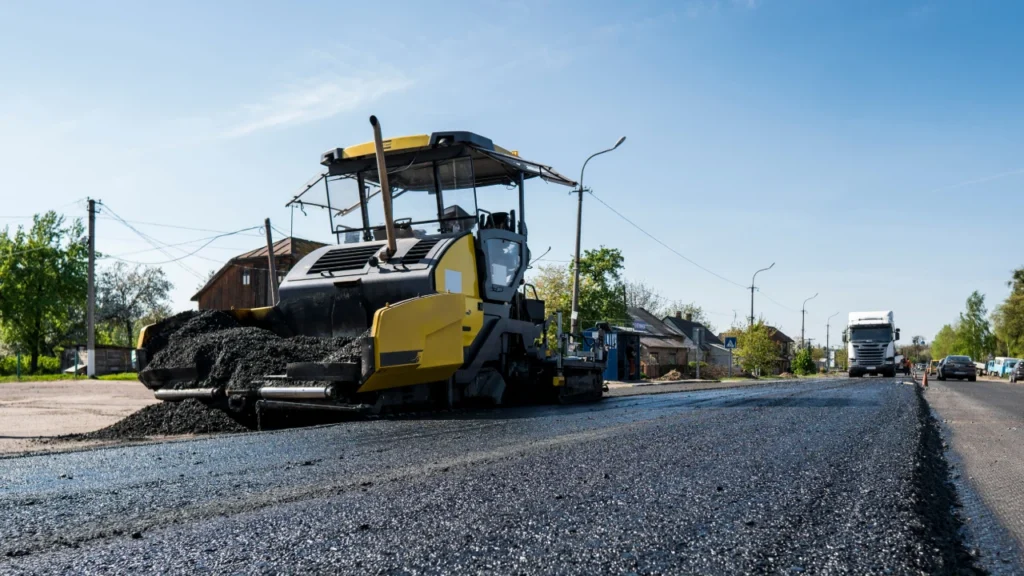
Infrastructure bills in the US and Europe have kept this sector hot.
- Asphalt pavers: Demand is high for 8-foot to 10-foot tracked pavers.
- Compactors: Double drum rollers are essential. We are seeing a trend toward intelligent compaction systems that tell the operator when the desired density is reached, saving passes and fuel.
- Motor graders: Essential for road maintenance. Caterpillar M-Series graders remain the gold standard, commanding high prices even in the used market due to their durability and joystick controls.
Compact and Mini Equipment
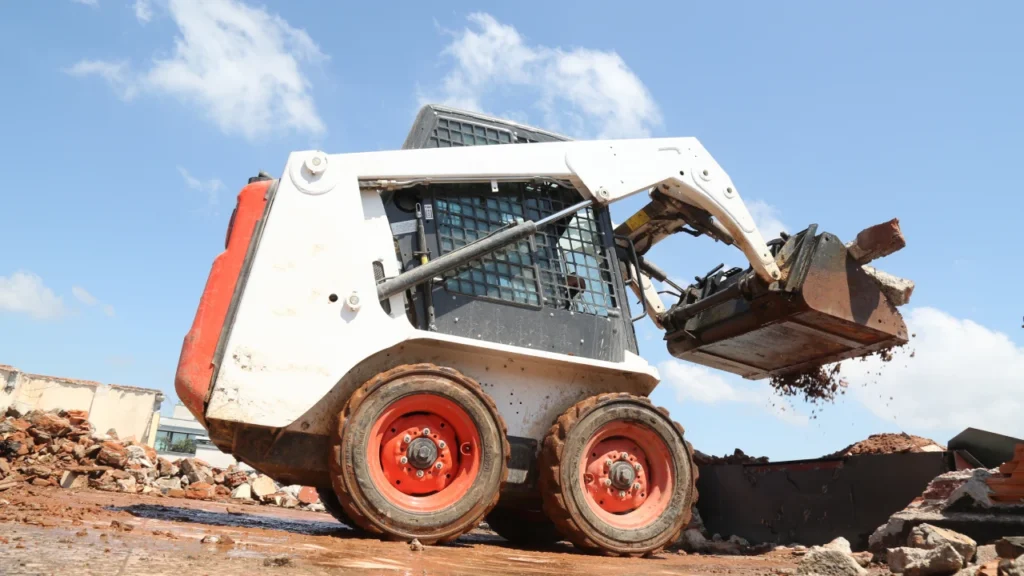
If earthmovers are the backbone, compact equipment is the muscle. Mini-excavators and Compact Track Loaders (CTLs) are flying off dealer lots.
- Mini-excavators (3-6 ton): Perfect for urban utilities, landscaping, and residential work. They fit in backyards and don’t require CDL drivers to tow in many jurisdictions.
- Compact track loaders: The skid steer is being replaced by the track loader. The stability and lifting capacity of a CTL (like the Kubota SVL75 or CAT 259) make it the preferred choice for soft ground conditions.
- Rental market impact: Rental companies purchase nearly 50% of all compact equipment sold, driving immense volume for manufacturers.
Construction Equipment Sales: Key Players and Market Leaders
Brand reputation dictates resale value. In the heavy equipment world, a logo is a promise of parts availability.
Top Brands by Global Market Share
While dozens of manufacturers exist, a few giants control the majority of the market.
| Brand | Primary Strength | Key Markets |
|---|---|---|
| Caterpillar | Global parts network, highest resale value | North America, Global |
| Komatsu | Reliability, hybrid technology, intelligent machine control | Asia, North America, Europe |
| Volvo CE | Fuel efficiency, operator comfort, safety | Europe, North America |
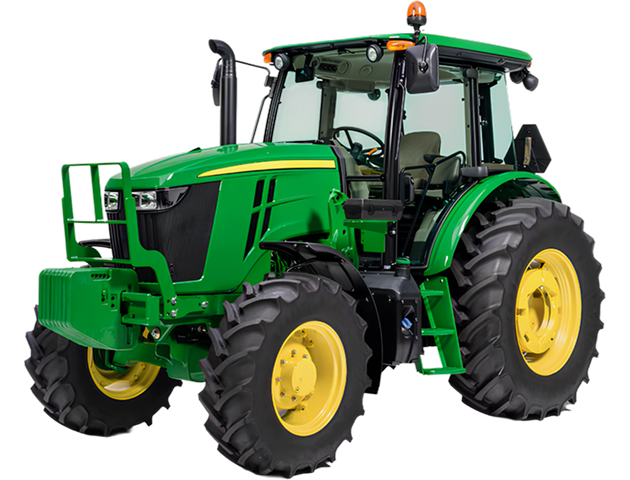
| John Deere | Strong dealer support, backhoe dominance | North America, Latin America |
| JCB | Telehandlers, backhoes (inventor of the concept) | UK, India, Global |
| Sany | Price-to-performance ratio, aggressive expansion | Asia, Africa, Emerging Markets |
| Liebherr | Cranes, heavy mining, specialized engineering | Europe, Mining Sectors |
Caterpillar remains the leader in total revenue. However, Sany and XCMG are gaining market share by offering functional machines at significantly lower price points, appealing to cost-conscious contractors in developing regions.
Best-Selling Models and Regional Highlights
Specific models have achieved legendary status in 2026.
- North America: CAT 259D3 Compact Track Loader. It is everywhere. Landscapers and builders love it.
- Europe: Volvo ECR25 Electric. Europe is adopting electric minis faster than anywhere else.
- Africa & MENA: Caterpillar 320D / 320GC. Buyers here prefer the robust, slightly simpler versions of the 320 that can handle lower fuel quality and harsh environments.
- Latin America: John Deere 310L Backhoe. The backhoe loader is not dead; it is thriving in LATAM, where a machine must drive itself from job to job.
Dealer Networks and Financing Programs
Machine performance is only half the battle. Sales are often won by the dealer network.
- Parts availability: A machine is useless if it waits three weeks for a hydraulic pump. CAT and Deere excel here, boasting 24-hour parts delivery in most major markets.
- Financing: In 2026, flexible leasing and power-by-the-hour payment models are helping contractors acquire fleets without massive capital expenditure.
- Certified used programs: OEMs are putting more effort into their Certified Used programs to compete with independent marketplaces, offering warranties on second-hand iron.
Rise of Used Construction Equipment Market
This is the most critical trend for smart buyers. The used market is no longer a dumping ground for junk; it is a strategic resource.
Why Used Market Is Booming
Several factors are pushing buyers toward pre-owned machinery:
- Immediate availability: Ordering a new custom excavator might take 6 months. A used one is available on JumboBee today.
- Price inflation: New equipment prices have risen 20-30% over the last three years. Used equipment offers a correction to this.
- Avoidance of DEF/Tier 4: For export markets with lower emission standards, older US equipment (Tier 3 or lower) is actually more desirable than new machines because it lacks sensitive emissions sensors that can fail with high-sulfur fuel.
Pricing and Resale Value Trends
Used equipment pricing has stabilized in 2026 after the post-pandemic spike, but values remain strong.
- Low-hour machines (under 2,000 hours): Command a premium, often selling for 80-85% of the new price.
- Geographic arbitrage: A machine might be worth $50,000 in the US but $70,000 in a market where that specific model is scarce. This creates massive opportunities for exporters.
- Depreciation curves:
- Wheel Loaders & Excavators: Hold value best.
- Skid Steers: Depreciate faster due to rough usage.
- Cranes: Extremely slow depreciation; they are long-term assets.
New vs. Used: ROI Comparison
Let’s look at the math. Why buy used?
Scenario: You need a 20-ton excavator for a 2-year project.
| Factor | New Machine | Used Machine (3,000 Hours) |
|---|---|---|
| Purchase Price | $260,000 | $145,000 |
| Depreciation (2 Yrs) | -$60,000 (High initial drop) | -$20,000 (Curve flattens) |
| Maintenance | Included (Warranty) | $15,000 (Est. repairs) |
| Total Cost | $60,000 (Loss in value) | $35,000 (Depreciation + Repairs) |
| Availability | 4 Month Wait | Immediate |
Winner: For many contractors, the used machine offers a better ROI, freeing up over $100,000 in capital that can be used for operating expenses or buying a second machine.
Forecast: What’s Next for Construction Equipment Sales
Looking ahead to the next 12 to 24 months, the market will continue to mature digitally.
Growth Drivers for Next 12–24 Months
- Digital telematics: Buyers will demand maintenance history transparency. Platforms that provide verified service logs will win.
- Automation: Semi-autonomous compactors and graders will move from testing to sales floor.
- Infrastructure funding: As government projects in the US (IIJA) and EU move from planning to breaking ground, heavy earthmoving sales will spike.
What Buyers and Dealers Should Watch
- Export regulations: Watch for changes in emission export rules. Currently, exporting used US machinery is straightforward, but environmental regulations are tightening globally.
- Shipping costs: Logistics rates are fluctuating. Buying from a marketplace that offers integrated shipping (like JumboBee) locks in your costs and removes uncertainty.
- Rental de-fleeting: Large rental companies usually flip their fleets every 3-5 years. A massive wave of 2020-2022 models is about to hit the secondary market, potentially softening prices for buyers.
Expert Takeaway
The best construction equipment is not simply the one with the shiniest paint or the newest touchscreen. It is the machine that arrives on time, performs reliably, and holds its value when you are ready to sell.
In 2026, the smart money is on a mixed strategy: buying new for critical, high-utilization production machines, and utilizing the robust used market for support equipment and fleet expansion. The used market is now a strategic advantage, offering immediate deployment and superior ROI.
Transparency is the new currency. Whether you are in Nigeria, Texas, or Germany, access to clear photos, inspection reports, and verified seller data is what separates a risky bet from a profitable investment.
Ready to find your next profit-maker?
Compare top new and used construction equipment listings on JumboBee. With verified sellers, transparent pricing, and global logistics support, we help you find the best ROI for your next purchase.







Be the first to leave a comment
There are no replies to this post yet. Share your thoughts and help start the conversation.