


 Selling
Selling heavy equipment online has become one of the most effective ways for owners and businesses to connect with buyers. From bulldozers and excavators to cranes and tractors, the secondary equipment market is massive, with billions of dollars in transactions happening every year. Yet despite this opportunity, a large percentage of sellers walk away with less money than they should. Why? Because of hidden costs, scams, and a lack of access to the right buyers.
The good news is that maximizing profit is possible when sellers adopt a profit-focused approach. Unlike step-by-step guides that only explain how to upload photos or fill out forms, this article focuses on strategy. You’ll learn how to:
- Avoid hidden costs by understanding the true expense of auctions and dealers.
- Protect your sales by recognizing and preventing scams.
- Leverage secure payments to build trust and command higher prices.
- Reach international buyers who drive up value through competition.
- Use transparency and added services like shipping and customs to strengthen your listings.
At the heart of these strategies is JumboBee, a marketplace built to empower sellers. By cutting out unnecessary intermediaries, providing verified global buyers, and ensuring safe transactions, JumboBee helps you keep more of your profit while still reaching the widest possible audience.
The Hidden Costs of Selling Heavy Equipment the Wrong Way
For many sellers, the biggest financial losses don’t come from a bad machine or a slow market—they come from choosing the wrong selling method. Dealers, brokers, and auctions often look like fast, hassle-free solutions, but they hide costs that strip away thousands of dollars from the seller’s bottom line. Add scam risks into the equation, and what should have been a profitable transaction can turn into a financial setback. Let’s break down the most common hidden costs sellers face and why they matter.
Dealer and Broker Markups — How Much Sellers Lose
On the surface, working with a dealer or broker seems simple. They take your equipment, find a buyer, and hand you a check. The problem is that dealers are not working for the seller’s benefit—they are working for their own profit margin.
Here’s how it usually plays out: a dealer offers a seller $70,000 for an excavator that has a true market value of $85,000. The dealer then resells it for $90,000, pocketing the difference. That $20,000 margin comes directly out of the seller’s pocket. Multiply this across multiple pieces of equipment, and it’s easy to see how much money is lost.
Brokers, while slightly different, often operate on the same principle. They may charge a “service fee” or a “commission,” but in reality, their pricing strategy usually prioritizes quick turnover rather than maximizing value for the seller. In the end, the convenience costs far more than most sellers expect.
Auction Fees and Underselling Risks
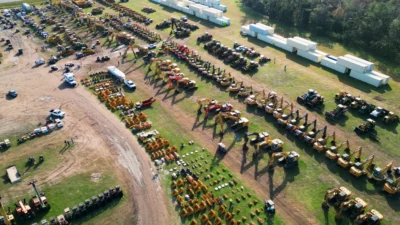
Heavy equipment auctions are popular because they promise speed. Sellers know that once the auction date arrives, their machinery will be sold. But speed often comes at a price.
Auction houses typically charge fees ranging from 5% to 15% of the final sale price. If your bulldozer sells for $100,000, you could easily lose $10,000 or more just in fees. That’s before factoring in transport costs to get the equipment to the auction site, plus additional expenses for cleaning, prepping, or storage.
Another risk is underselling. Auctions rely on the energy of bidding wars, but if the right buyers aren’t in the room—or if international buyers are excluded—your equipment may sell below its true value. Once the gavel comes down, you have no control, even if the final bid is disappointing.
Scam Risks and Fake Buyers Draining Profit
Scams remain one of the most damaging hidden costs of selling heavy equipment online. Fraudsters often pose as legitimate buyers, offering to pay with fake checks, forged wire transfers, or unverified escrow services. These scams waste time, drain energy, and in the worst cases, cost sellers their machines and their money.
For example, a common scam involves a “buyer” sending a fraudulent proof of payment and pressuring the seller to release the equipment quickly. By the time the seller realizes the payment never cleared, the machine is gone.
Even if the scam doesn’t succeed, the process of vetting fake buyers can delay legitimate sales. Time wasted on fraud attempts often forces sellers into rushed decisions later—sometimes accepting lower offers just to complete the deal.
Why Choosing the Right Marketplace Matters
The takeaway is clear: traditional selling channels and unsafe online listings are riddled with hidden costs. Sellers either pay in the form of dealer markups, auction fees, or scam risks. In every case, the seller’s profit is reduced while someone else benefits.
Platforms like JumboBee are designed to flip this equation. By connecting sellers directly to verified buyers, removing unnecessary middlemen, and providing secure payment systems, JumboBee ensures that the money stays where it belongs—in the seller’s pocket.
Key Strategies to Maximize Profit in Online Sales
Maximizing profit when selling heavy equipment online isn’t about luck—it’s about using the right strategies. Too many sellers focus only on “getting rid of the machine quickly” and overlook opportunities to increase value. With careful planning, the difference between an average sale and a highly profitable one can be tens of thousands of dollars. Below are four proven strategies that help sellers keep more money in their pockets while building trust with serious buyers.
Timing the Market
Like any asset, the value of heavy equipment fluctuates based on demand cycles. Seasonal and regional factors play a major role. For example, agricultural tractors and combines often sell at higher prices in the months leading up to planting or harvest seasons. Construction machinery may fetch premium bids before major infrastructure projects or during peak building seasons.
Regional dynamics are just as important. A wheel loader may not draw much attention in a saturated U.S. market but could command a premium price in Africa, where demand for construction equipment is booming. Sellers who track these cycles and align their listings with market timing increase their chances of securing higher offers.
Setting the Right Price with Market Insights and Benchmarks
Pricing can make or break a sale. Sellers who underprice equipment may attract quick offers but sacrifice thousands of dollars in potential profit. On the other hand, overpricing often leads to stagnant listings and wasted time.
The key is to use data-driven pricing. Instead of guessing, sellers should compare similar models, year of manufacture, hours of use, and recent market trends. Benchmarking against actual sales data provides a realistic yet profitable pricing strategy. A fair, well-researched price attracts serious buyers while giving sellers room for negotiation.
Platforms like JumboBee help sellers understand current market benchmarks by analyzing global sales data. With this knowledge, sellers can position their equipment at the sweet spot—competitive enough to attract interest but high enough to maximize profit.
Adding Value Through Shipping and Customs Support
International buyers are often willing to pay more, but logistics can become a sticking point. Many buyers hesitate if they need to arrange shipping, deal with customs paperwork, or coordinate port handling on their own. Sellers who offer integrated logistics support instantly stand out from the competition.
Imagine two listings for the same bulldozer. One seller provides only the machine and requires the buyer to handle all shipping arrangements. The other seller lists the bulldozer with an option for international shipping and customs clearance handled through JumboBee’s partners. The second seller can easily justify a higher price because the buyer sees it as a hassle-free purchase.
By bundling added services, sellers create a win-win situation: buyers get peace of mind, and sellers earn more.
Transparency in Listings — Why Honesty Attracts Higher Offers
One of the most underestimated strategies in online equipment sales is transparency. Clear, detailed listings build trust and encourage higher bids. Buyers want to know exactly what they’re getting, and the more confident they feel, the more willing they are to pay.
A strong listing should include:
- High-resolution photos from multiple angles.
- Detailed specifications (make, model, year, hours, attachments).
- Maintenance records and inspection reports.
- Any known issues or repairs needed.
While some sellers fear that disclosing flaws will drive away buyers, the opposite is often true. Transparency reduces the risk of disputes and creates confidence. Buyers are far more likely to pay top dollar when they believe the seller is upfront and trustworthy.
Secure Payments = Higher Profit
When it comes to selling heavy equipment online, the transaction doesn’t truly end until the money is safely in your account. Yet, too many sellers underestimate the importance of secure payment systems. The harsh truth is that unsafe or informal payments not only expose sellers to fraud but also lower the value buyers are willing to offer. Trust is everything in high-value sales, and secure payments are the foundation for maximizing profit.
How Unsafe Payments Kill Trust and Lower Bids
Picture this: a seller lists a $95,000 excavator and receives an offer from a local buyer. The buyer insists on paying with a personal check or promises to send a wire transfer “later.” For the seller, the options are limited: accept the risky terms or walk away from the deal. Even if the buyer is genuine, the uncertainty reduces the seller’s leverage, often forcing them to accept a lower price just to secure the sale.
Buyers also factor risk into their offers. If they sense that payment and delivery are not fully secure, they hedge their bets by lowering their bid. The result? Sellers leave money on the table—not because the machine isn’t valuable, but because the transaction lacks trust.
The Power of Escrow and Verified Buyer Systems
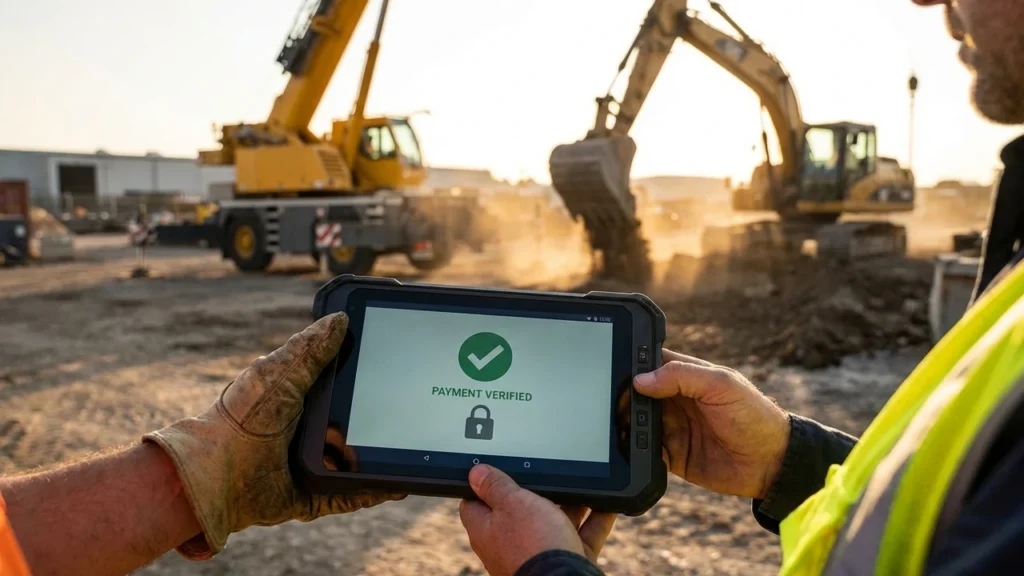
Escrow services have long been the gold standard in secure transactions, and for good reason. With escrow, the buyer deposits funds into a trusted third-party account. The seller only releases the equipment once the payment is verified and cleared. Both sides are protected: the buyer knows their money is safe, and the seller knows they’ll be paid before handing over the machine.
Verified buyer systems go one step further. By screening and validating buyers in advance, platforms like JumboBee eliminate the uncertainty of dealing with unknown parties. Sellers no longer waste time negotiating with fraudsters or low-intent shoppers. Instead, they engage directly with serious, pre-verified buyers who are ready and able to pay.
Real-World Impact of Payment Security
Consider two identical sales scenarios:
- Scenario A: A seller tries to handle the payment independently. After weeks of negotiations, they accept $85,000 for a bulldozer from a buyer who insists on paying in installments. The risk of default is high, and the price is lower than the machine’s true value.
- Scenario B: The same bulldozer is listed on JumboBee. Verified buyers compete for the listing, and one agrees to pay $95,000 through the secure escrow system. The funds are held safely until the seller confirms delivery. The seller walks away with more money, zero payment risk, and peace of mind.
The difference between these two outcomes is clear: secure payments don’t just protect the deal—they increase the seller’s bargaining power and final profit.
How JumboBee Protects Sellers and Boosts Profit
JumboBee integrates secure payment solutions directly into its platform. Every transaction is backed by escrow and tied to verified buyers, eliminating the guesswork and vulnerability of informal payments. Sellers know that once a buyer commits, the funds are guaranteed. This level of assurance encourages global buyers to offer higher bids, knowing their money is safe and the transaction is transparent.
By making trust the default, JumboBee transforms the selling experience. Instead of worrying about scams or bad checks, sellers can focus entirely on negotiating the best price and delivering their equipment. In short: security equals confidence, and confidence equals profit.
Global Buyers Drive More Value
One of the most overlooked opportunities in selling heavy equipment is the global market. Many sellers focus only on local buyers, dealers, contractors, or farmers in their region—without realizing that international buyers are often willing to pay significantly more. By tapping into global demand, sellers unlock a larger pool of buyers, increase competition, and command better prices for their machines.
Why International Buyers Often Pay More
In many developing markets, the supply of quality heavy machinery is limited. Importing equipment from the U.S., Europe, or Japan is often the only way for businesses in Latin America, Africa, or the Middle East to access reliable machines. This scarcity means buyers in these regions are prepared to pay a premium.
For example, a used Caterpillar motor grader that might sell for $120,000 in the U.S. could attract $140,000–$150,000 from buyers in West Africa, where infrastructure projects are booming. The same principle applies to agricultural machinery in Latin America, where high demand and limited supply push up prices.
Domestic resellers, on the other hand, typically undervalue equipment. Their business model is to buy low and resell high. International buyers cut out that middle step—they want the machine for their own use and are often willing to pay more to secure it.
Key High-Demand Regions
- Latin America (LATAM): Agricultural economies in Brazil, Argentina, and Mexico are constantly seeking tractors, harvesters, and loaders. Growing export agriculture drives steady demand.
- Middle East & North Africa (MENA): Countries like Saudi Arabia, UAE, and Egypt are investing heavily in infrastructure. Construction and road-building projects make bulldozers, cranes, and excavators hot commodities.
- Africa: Rapid urbanization and government-backed infrastructure initiatives across West and East Africa mean strong demand for graders, loaders, and road equipment.
These regions are not niche—they represent billions of dollars in annual equipment demand. Sellers who ignore international buyers miss out on these high-value opportunities.
How Global Reach Maximizes Profit
Selling heavy equipment locally limits your audience. A handful of buyers might show interest, but the small pool restricts competition. Global exposure, on the other hand, dramatically increases the number of potential buyers. More buyers = more competition = higher prices.
Think of it like an auction with only five bidders versus one with fifty. The more people competing, the higher the final bid. By opening your listing to international markets, you create competition that drives up your sale price.
How JumboBee Connects Sellers to Global Markets Instantly
Traditionally, connecting with international buyers was complicated—requiring personal networks, trade shows, or middlemen. JumboBee changes that. The platform gives sellers immediate access to verified global buyers who are actively looking for equipment. Sellers can list once and instantly showcase their machinery to interested buyers across LATAM, MENA, and Africa.
Combined with secure payments and integrated logistics support, JumboBee makes selling globally as seamless as selling locally—but far more profitable. Instead of worrying about fraudulent buyers or shipping nightmares, sellers can confidently reach markets that value their equipment more.
Case Insights — Profit Through Safe Selling
Nothing demonstrates the power of safe, strategic selling better than real-world examples. While statistics and strategies show what’s possible, seeing how actual sellers profit when they avoid scams, secure payments, and reach global buyers brings the picture into focus. Below is a case-style scenario that highlights how choosing the right selling method can add tens of thousands of dollars to the final payout.
Case Study: Selling an Excavator Locally vs. Globally
A construction company in Texas needed to sell a mid-sized Caterpillar excavator. The machine was in good condition, five years old, and had been maintained with full service records. Locally, the company received two offers:
- Dealer offer: $75,000, with the dealer intending to resell the machine at a higher price.
- Auction estimate: $80,000–$85,000 after fees, with no guarantee of final bidding strength.
Frustrated with the undervaluation, the company listed the excavator on JumboBee instead. Within two weeks, verified buyers from the Middle East and Latin America expressed interest. After secure negotiations, a buyer from Saudi Arabia agreed to purchase the machine for $92,000. Payment was processed securely through JumboBee’s escrow system, and shipping was arranged with customs support.
The outcome? The seller earned between $7,000 and $17,000 more than they would have through traditional methods. Even better, the payment was fully secure, and logistics were simplified.
Why the Global Listing Worked
This case illustrates several important lessons:
- Local buyers undervalue equipment. Dealers and auctions prioritize speed and profit margins for themselves, not for the seller.
- International demand drives higher offers. Buyers in regions with strong construction growth were willing to pay more because the equipment was scarce in their market.
- Secure payments increased confidence. The seller had no fear of scams, fake wire transfers, or payment disputes—everything was verified and handled professionally.
- Added logistics made the deal seamless. With customs and shipping support, the international sale was as straightforward as a domestic one.
A Second Example: Agricultural Tractor Sale
A family farm in Illinois wanted to upgrade its machinery and sell an older John Deere tractor. Locally, a reseller offered $28,000. The farmer knew the machine was worth more but worried about scams when listing online.
Using JumboBee, the tractor was listed with full transparency—photos, maintenance history, and hours of use. Within ten days, an international buyer from Brazil, where agricultural machinery is in high demand, offered $35,000 with secure payment. Shipping was coordinated directly through the platform.
For the farmer, this wasn’t just about the extra $7,000—it was about peace of mind. The secure payment system meant they didn’t have to worry about bounced checks or unverified buyers.
What These Cases Teach Sellers
These insights prove that safe selling strategies are not just about avoiding losses—they actively boost profit. Sellers who rely only on local dealers or auctions accept convenience in exchange for a lower payout. Sellers who go global with secure payments and trusted platforms unlock higher offers, better buyers, and more reliable transactions.
Every piece of equipment has more value when positioned correctly. By combining transparency, secure payments, and global reach, sellers keep more money in their pocket and eliminate the stress of risky transactions.
Mistakes That Kill Profit
Even when sellers have good equipment and strong demand exists in the market, many lose thousands of dollars because of avoidable mistakes. These errors often come from rushing the sale, trusting the wrong people, or misunderstanding how buyers think. Knowing what not to do is just as important as knowing the right steps. Below are the most common mistakes that quietly eat into profits and how to avoid them.
1. Accepting the First Offer Too Quickly
Many sellers are so eager to close a deal that they accept the very first offer they receive. Dealers know this and often start with a low bid, counting on impatience. The result? Sellers leave 10–20% of the machine’s true value on the table. A better approach is to gather multiple offers, compare them, and understand what international buyers might be willing to pay before committing. Patience almost always brings higher returns.
2. Ignoring International Buyers
One of the biggest mistakes is selling only within a local circle. Domestic buyers—especially dealers and auctions—focus on buying cheap so they can resell at a profit. Meanwhile, international markets often pay significantly more because the equipment is scarce in their region. By ignoring global demand, sellers cut themselves off from the highest-paying buyers. Platforms that connect to worldwide markets ensure sellers don’t miss out on better offers.
3. Falling for Scams and Fake Payments
Fraudulent buyers use fake wire transfers, stolen checks, or overpayment tricks to cheat sellers. Even one scam can wipe out the value of a machine entirely. Sellers who rely on unsecured payment methods—like direct bank transfers without verification—are most at risk. This is why using a secure escrow system or trusted platform is critical. Safe payments not only protect against fraud but also build buyer confidence, making high-value deals more likely.
4. Poor Presentation of Equipment
Some sellers underestimate the power of presentation. Low-quality photos, missing maintenance records, and vague descriptions instantly reduce trust. Buyers assume the worst when information is unclear, and that drives offers down. By contrast, well-documented listings with clear photos, service history, and honest descriptions create confidence. A strong listing can raise the final price by 10–15% simply because buyers know exactly what they’re getting.
5. Relying Only on Local Dealers or Auctions
Dealers and auction houses advertise themselves as “hassle-free,” but this convenience comes at a steep cost. Dealers often pay the lowest price possible and resell the machine at a large margin. Auctions charge fees and provide no guarantee of strong bidding. Sellers who depend only on these channels end up accepting much less than market value. Exploring secure digital platforms with international reach almost always produces better results.
6. Mismanaging Negotiations
Negotiating with buyers is part of the process, but many sellers either push too hard or too little. Accepting every demand reduces profit, while being inflexible can drive serious buyers away. Successful sellers understand how to balance firmness with transparency—backing their asking price with maintenance history, usage details, and comparable market values. Strong negotiation supported by facts consistently leads to better deals.
7. Forgetting the Value of Time
Every month a machine sits idle, it loses value. Market demand shifts, models become outdated, and depreciation takes its toll. Some sellers wait too long, hoping for a “perfect” buyer, only to sell later for less. The key is to market equipment globally and securely as soon as possible, striking a balance between patience for good offers and awareness of time-driven depreciation.
Why JumboBee Is the Seller’s Profit Partner
Selling heavy equipment is not just about finding a buyer — it’s about finding the right buyer, securing payment safely, and keeping as much of the sale price as possible. Many sellers lose out because they rely on middlemen, accept unsafe payments, or restrict themselves to local buyers. JumboBee was built to solve these challenges. More than just a marketplace, it acts as a profit partner for sellers, ensuring every deal is transparent, secure, and connected to the highest-paying global buyers.
1. Secure Payments → No Scams
One of the biggest fears sellers face when selling heavy machinery online is scams. Fake buyers use fraudulent payment methods to trick sellers into releasing equipment without receiving real funds. This risk can make sellers hesitant to pursue online sales. JumboBee eliminates this problem by offering escrow-style secure payments. Funds are verified before equipment changes hands, so sellers know they’re getting paid. By removing the risk of fraud, sellers can focus on negotiating the best price without worrying about being cheated.
2. Verified Global Buyers → Higher Competition = Better Prices
Local dealers often undervalue equipment because they want to resell it at a profit. That means sellers lose money without even realizing it. JumboBee opens the door to verified international buyers — contractors, fleet owners, and businesses that genuinely need equipment for projects in high-demand regions like Latin America, Africa, and the Middle East. These buyers are often willing to pay more than local resellers because equipment is harder to source in their markets. More competition among serious, verified buyers means higher bids and better outcomes for sellers.
3. Integrated Shipping and Customs Support → Faster Transactions, Fewer Costs
Selling to global buyers can feel overwhelming when shipping, customs, and logistics are involved. Many sellers avoid international deals simply because they don’t know how to manage the process. JumboBee solves this by offering integrated logistics support, helping with transportation, customs clearance, and delivery arrangements. By making global sales as easy as local ones, JumboBee removes barriers that normally prevent sellers from reaching high-paying buyers abroad. This not only speeds up transactions but also reduces hidden costs that eat into profit.
4. Transparency and Trust at Every Step
One of the reasons sellers lose profit in traditional sales is lack of transparency. Auction houses and brokers rarely reveal the true market value, and sellers are left in the dark about buyer interest. JumboBee flips this model. Listings are fully transparent, with real market insights and buyer feedback. Sellers can see where offers come from, how their pricing compares, and what drives demand. This level of clarity builds trust, not just with sellers, but also with buyers — and trust leads to stronger, faster deals.
5. Keep More of Your Profit
Perhaps the most important advantage of JumboBee is simple: sellers keep more of what they earn. Instead of losing money to hidden dealer markups, high auction fees, or scam-related losses, sellers receive direct payments from verified buyers. Every feature of the platform — from secure payments to international reach — is designed to maximize seller profit.
Conclusion
Selling heavy equipment online doesn’t have to mean accepting low offers, risking scams, or losing thousands to middlemen. With the right strategy , secure payments, verified global buyers, transparent listings, and logistics support, sellers can turn every transaction into a high-profit opportunity.
JumboBee makes this process seamless. It eliminates the dangers of unsafe payments, opens access to international buyers willing to pay more, and simplifies shipping and customs. Instead of worrying about fraud or hidden fees, sellers can focus on what really matters — getting the best possible price for their machinery.
Whether you’re selling one machine or an entire fleet, JumboBee helps you sell smarter, safer, and more profitably.
Join the global marketplace built for trust, transparency, and top-dollar results, list your equipment on JumboBee today and keep more of your profit where it belongs: in your pocket.


Be the first to leave a comment
There are no replies to this post yet. Share your thoughts and help start the conversation.