

 News
News 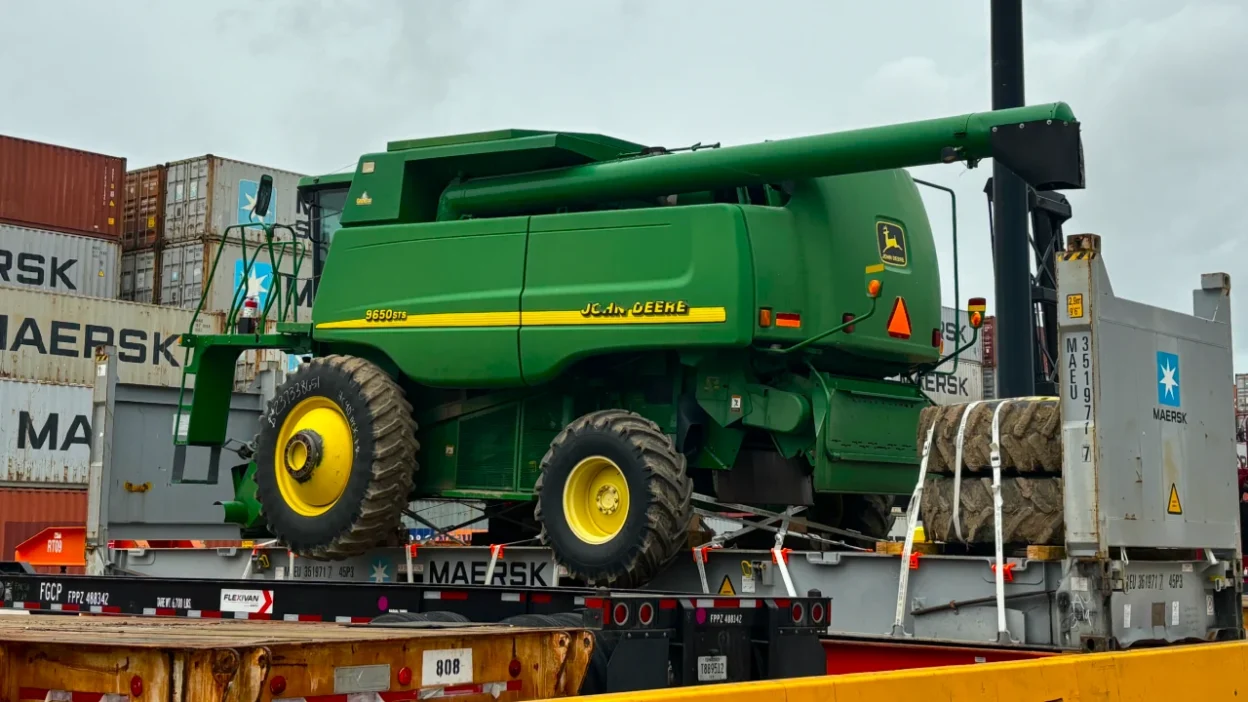
The first quarter of 2026 marks a critical turning point for global machinery buyers. Policies implemented last year have fully saturated the supply chain, transforming how agricultural and construction businesses source their machinery. This article analyzes how recent trade policies are driving structural price increases and reshaping global trade flows. We will bypass general market overviews to focus on real financial impact, buyer behavior shifts, and emerging opportunities in the used machinery segment.
$500K Machine That Now Costs $645K: New Reality of Equipment Pricing
Consider a standard high-horsepower agricultural tractor like a 400-horsepower four-wheel-drive unit. In early 2024, a brand-new model from a top-tier American manufacturer cost approximately $500,000. Today, ordering that exact same machine requires a budget of roughly $645,000.
This 29% price surge is not driven by inflation or technological upgrades. It is the direct mathematical result of new trade policies hitting the manufacturing floor. Manufacturers face higher costs for raw materials, imported electronic components, and cross-border assembly processes. Rather than absorbing these massive cost spikes, original equipment manufacturers pass them directly to the end user.
For a construction firm in Brazil or a massive agricultural operation in Egypt, this price jump is immediate and tangible. Budgets approved just twelve months ago are now entirely insufficient for fleet renewal. This new pricing reality forces companies to either delay purchases, downsize their fleet capabilities, or fundamentally change how they acquire machinery.
What Actually Changed: Inside 2025 Tariff Policy Shift
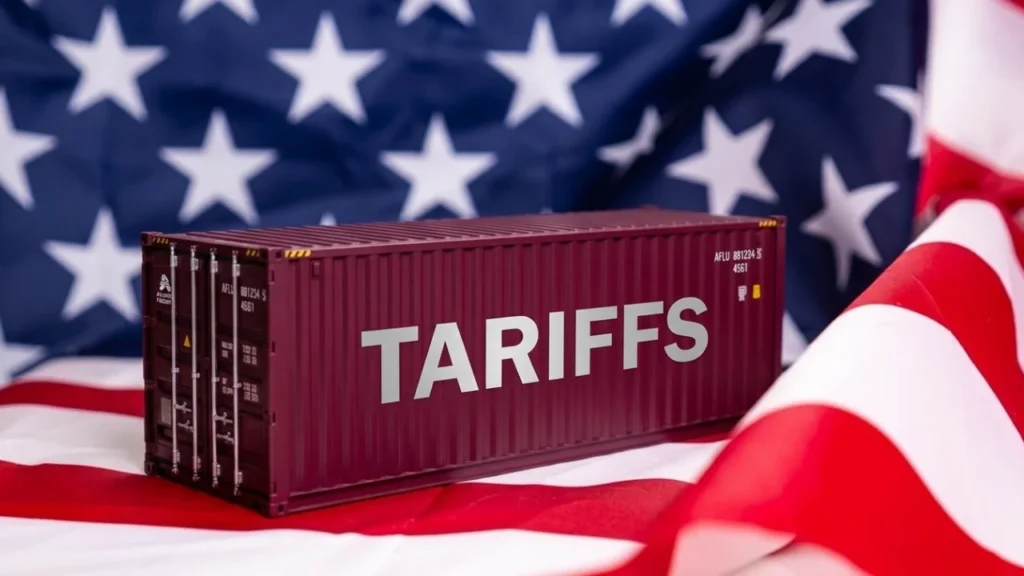
Understanding this price explosion requires looking at the regulatory shifts implemented in 2025. The administration aggressively restructured international trade rules, heavily penalizing imported raw materials and finished goods to protect domestic manufacturing.
The core mechanism involves section 232 tariffs on steel and aluminum. Originally utilized in previous administrations under the Trade Expansion Act of 1962, this specific regulatory framework allows the government to tax imports deemed critical to national security.
The reinstated Section 232 tariff on steel and aluminum was raised from 25% to 50% in June 2025, then restructured again on April 6, 2026 to apply to the full customs value of covered articles and derivatives – though a 15% transitional rate now applies to metal-intensive industrial equipment through December 31, 2027. Separately, the administration imposed broad ‘reciprocal’ tariffs on imported machinery and components under IEEPA in April 2025. On February 20, 2026, the Supreme Court ruled 6–3 that IEEPA does not authorize these tariffs, and CBP stopped collecting them on February 24, 2026. They were replaced with a 10–15% global tariff under Section 122 of the Trade Act of 1974 – which by law expires after 150 days unless Congress votes to extend it, putting its status in question as of this writing.
Simultaneously, the administration applied broad tariffs on imported machinery and highly specialized components. Modern machinery relies on global supply chains. A tractor assembled in the American Midwest might feature a transmission from Germany, hydraulic pumps from Japan, and electronic control units from Mexico.

Why Tariffs Hit Heavy Equipment Harder Than Most Industries

Certain sectors, like software or lightweight consumer electronics, easily absorb or bypass raw material taxes. Heavy machinery manufacturing enjoys no such flexibility. The physical nature of these products makes them highly vulnerable to trade barriers.
Steel Is Not Just Material but Cost Base
When analyzing a 60,000-pound crawler excavator, buyers must understand they are essentially purchasing precisely engineered metal. Raw steel and cast iron make up roughly 80% to 85% of the physical weight of heavy machinery.
When steel tariffs force domestic and imported raw material prices up by 50%, the foundational cost of the machine increases instantly. Manufacturers cannot substitute steel with cheaper materials for excavator booms, bulldozer blades, or tractor chassis. The structural integrity required for heavy-duty work mandates high-grade steel, leaving manufacturers fully exposed to raw material tax spikes.
Global Supply Chains Amplify Impact
Modern equipment manufacturers operate highly decentralized production networks. A single machine might cross international borders multiple times before reaching a dealer lot.
Engine blocks might be cast in one country, machined in another, and assembled in a third. Each time these components cross U.S. borders, they trigger import duties. This compounding tax effect means a 20% tariff on a specific component might actually represent a much higher total cost penalty by the time the machine is fully assembled. Manufacturers must also hire massive compliance teams to track these parts, adding administrative overhead to the physical tax burden.
Cost Increases Cascade Across Entire Value Chain
Trade taxes do not simply add a flat fee to the final invoice. They cascade and multiply.
- Raw material suppliers raise prices to cover their import taxes
- Component manufacturers add their margin on top of the new raw material cost
- Original equipment manufacturers apply their standard profit margin percentage to the now highly inflated component costs
- Local dealers apply their markup based on the final factory invoice
By the time the machine reaches the end user, a $10,000 raw material tariff might translate into a $18,000 retail price increase.
Real Impact: Rising Costs, Slower Sales, and Market Pressure
The theoretical policy discussions of 2025 have transitioned into hard financial data in Q1 2026. Publicly traded manufacturers and regional dealers are reporting unprecedented shifts in their financial structures.
Manufacturers Absorb Billions Then Pass It On
Major industry players cannot hide the impact of these policies. According to recent quarterly earnings reports and financial disclosures, leading heavy machinery manufacturers have acknowledged billions of dollars in increased supply chain costs. (Reuters)
For example, large global manufacturers initially tried to absorb early tariff impacts to maintain market share. However, as the Trump steel tariffs solidified into long-term policy, these companies shifted strategies. They implemented aggressive mid-year price hikes and added specific material surcharges to new orders. The burden shifted entirely from the factory floor to the buyer’s balance sheet.
Buyers Face Immediate Price Increases
Consider a mid-sized construction firm looking to purchase a fleet of three new wheel loaders. In a pre-tariff market, this required a $600,000 capital commitment. Today, that identical fleet demands over $745,000.
This $145,000 difference destroys profit margins for local contractors. It forces buyers to take on larger loans at high interest rates, severely limiting their operational flexibility. Many businesses simply cannot secure the additional financing required to cover these policy-driven price hikes.
Demand for New Equipment Starts to Slow
Faced with these figures, buyer behavior is changing rapidly. Dealerships selling brand-new machinery are reporting longer sales cycles and increasing inventory buildup. Buyers are extending the lifecycles of their current fleets, spending more on maintenance and rebuilds rather than signing contracts for overpriced new models. This slowdown in new sales is creating a ripple effect, forcing the industry to re-evaluate where value truly lies.
Who Wins and Who Loses in This Market Shift
Every major economic policy creates a distinct division between those who absorb the damage and those who capitalize on the changing conditions. The heavy construction equipment market is currently undergoing a massive wealth transfer based entirely on geographic flexibility.
Losers Are Buyers Limited to Local Markets
Contractors and farmers who rely exclusively on their local, authorized dealer networks are absorbing the full force of this crisis. When a local dealer is the only available source for machinery, buyers have zero negotiating power against tariff-inflated prices. They are trapped in a closed ecosystem where every cost increase is mandatory.
Winners Are Sellers of Used Equipment
Dealerships, rental companies, and independent sellers holding high-quality used inventory are experiencing a massive windfall. A machine manufactured in 2023 or 2024 was built before the current tariff regime took effect. Its baseline cost is fundamentally lower. Sellers holding this inventory suddenly possess assets that hold their value far better than usual, as the gap to new-equipment replacement cost widens.
Biggest Winners Are Global Buyers Who Can Source Internationally
The ultimate beneficiaries of this market disruption are agile international buyers. A construction firm in Ukraine or an agricultural enterprise in Mongolia that can source machinery directly from the U.S. used market can completely bypass the 2026 price hikes. By leveraging international arbitrage, they acquire low-hour, pre-tariff machinery at prices that give them a massive competitive advantage over local rivals.
Why This Is Accelerating Shift Toward Used Equipment
The mass migration from new to used machinery is no longer driven by budget constraints alone; it is a highly calculated financial strategy.
When a brand-new machine costs 30% more due to policy changes, the depreciation curve alters completely. Historically, a new machine lost 20% of its value in the first year. Today, buyers of new equipment are instantly losing the value of the tariff premium the moment the machine leaves the lot, because secondary markets do not fully value trade taxes.
Smart capital allocators recognize that a 2024 model with 500 hours offers identical operational productivity to a 2026 model, but at a fraction of the capital risk. This realization is draining demand from the new heavy construction equipment market and funneling it directly into the premium used sector. The used market is transitioning from a secondary option to the primary acquisition channel for serious global operators.
Temporary Imbalance: Why 2025 to 2026 Creates Unique Buying Window
Markets are highly efficient, but they are not instantaneous. We are currently sitting in a temporary pricing anomaly.
New equipment prices have already spiked to reflect the 2025 import taxes. However, the premium used market has not yet fully adjusted upward to match this new ceiling. Dealerships and private sellers are still pricing their 2023 and 2024 inventory based on what they paid for it, plus a standard margin. They are not yet pricing used equipment based on the inflated replacement cost of 2026 models.
This creates a massive arbitrage window. Buyers can currently acquire relatively new, low-hour machinery at prices anchored to the old economic reality.
How Long Will This Window Stay Open
This pricing imbalance is unlikely to last in the long term Economic gravity guarantees that used prices will eventually rise to close the gap with new equipment costs.
- Inventory depletion will accelerate as more domestic and international buyers recognize the arbitrage opportunity
- Sellers will realize they cannot replace their sold inventory cheaply, prompting them to raise prices on remaining stock
- Global demand for infrastructure and agricultural development continues to grow, putting further pressure on limited high-quality used supplies
Industry analysts project that by late 2026 or early 2027, the premium used market will fully absorb the tariff shocks, raising baseline prices by 15% to 20%. The current quarter represents the optimal time to secure capital assets before the market corrects itself.
Why U.S. Used Equipment Market Is Now Global Opportunity
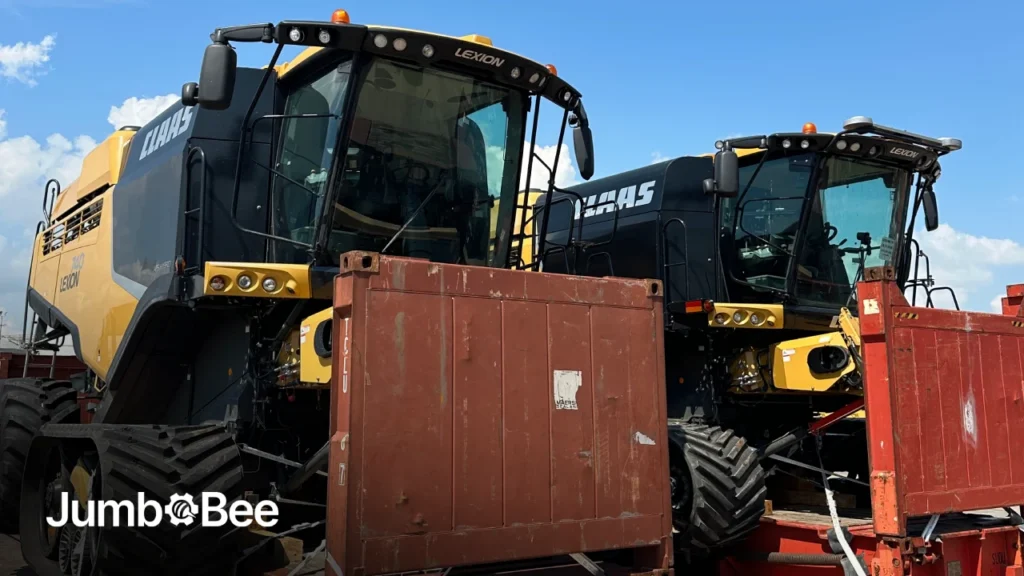
The United States possesses unique structural advantages that make it the ultimate source for used machinery, especially under current global trade conditions.
High Inventory and Fast Equipment Turnover
American mega-dealers and massive rental corporations operate on strict turnover schedules. To maintain warranty coverage and maximize uptime, they routinely cycle out machinery after two to three years, regardless of market conditions. This creates a continuous, massive pipeline of well-maintained, low-hour equipment entering the secondary market. No other country generates this volume of premium used inventory.
Price Gaps Compared to Latin America Africa and CIS
Local markets in developing regions face severe supply constraints. A 2021 John Deere 8R 370 might sell for $366,000 in the American Midwest. That exact same machine, sold through a local dealer in Egypt or Brazil, often commands a $100,000 premium simply due to local scarcity and limited local competition and pricing constraints. Buying directly from the U.S. allows international operators to capture that margin for themselves.
Established Export Infrastructure
The U.S. features deeply integrated logistics networks designed for heavy outward trade. Roll-on/roll-off ports in Texas, Georgia, and Maryland are optimized for massive agricultural and construction machinery. Dismantling facilities exist near major ports to break down oversized equipment for containerized shipping, drastically reducing ocean freight costs.
Why Buyers from Latin America Africa and CIS Are Driving Demand
Operators in these regions face a perfect storm of challenges. They suffer from limited local supply, highly inflated domestic prices, and a total dependence on imported technology to modernize their operations. For these buyers, accessing the American secondary market is not just about saving money; it is about securing the technological capability needed to survive in competitive global commodity markets.
How International Buyers Are Adapting to New Market Reality
Savvy international buyers are abandoning traditional procurement methods and developing sophisticated cross-border sourcing strategies.
Moving Beyond Local Dealer Networks
Historically, a farming cooperative in Mongolia would simply call their regional distributor. Today, that cooperative uses digital platforms to scan inventory in Iowa, Texas, and the Dakotas. They understand that regional distributors add massive markups to cover their own overhead and local tax burdens. By stepping outside the local network, buyers access wholesale pricing and vastly superior selection.
Comparing Total Cost Across Regions
Professional buyers no longer look solely at the sticker price. They calculate the true landed cost. This requires precise mathematical modeling of every step in the supply chain.
The comparison below assumes a used, low-hour unit (2–3 years old) sourced through each channel; figures will vary by model and route.
| Cost Component | Local Dealer Purchase | Direct US Import |
|---|---|---|
| Base Machine Price | $450,000 | $288,000 |
| Inland Transport | $2,000 | $3,500 |
| Ocean Freight | $0 | $12,000 |
| Customs and Duties | Included | $18,000 |
| Assembly and Prep | Included | $2,500 |
| Final Landed Cost | $452,000 | $324,000 |
As this calculation shows, even after paying for international logistics and local duties, importing a machine directly from the U.S. can in some cases result in savings exceeding $120,000 per unit.
Acting Faster on Market Opportunities
Because the global market is waking up to this arbitrage opportunity, speed is critical. A pristine 2023 crawler dozer listed online will often receive multiple international offers within 48 hours. Buyers are establishing pre-approved financing lines and partnering with inspection services in advance so they can execute contracts the moment a suitable machine hits the market.
Problem: Accessing These Opportunities Is Still Difficult
While the financial incentives are massive, cross-border equipment procurement remains incredibly complex for the uninitiated.
- Fragmented inventory scattered across thousands of independent dealer websites
- Severe trust deficits when sending hundreds of thousands of dollars to unknown foreign entities
- Logistical nightmares involving specialized inland freight, port customs clearance, and ocean shipping
- Risk of purchasing machinery with hidden mechanical defects or undisclosed lien histories
For years, these barriers protected local monopolies, keeping international buyers locked out of the lucrative American secondary market.
How Market Is Evolving to Solve These Challenges
The massive gap between supply in the U.S. and demand in global markets has forced the evolution of heavy equipment commerce. The industry is rapidly moving away from simple classified ad websites toward fully integrated transaction platforms.
Modern buyers demand solutions that combine inventory discovery, physical verification, secure escrow payments, and end-to-end logistics into a single workflow. They need a system that removes the friction of international trade.
Platforms like JumboBee have emerged precisely to solve this structural problem. By acting as a comprehensive global heavy equipment hub, JumboBee allows a buyer in Africa to browse verified U.S. inventory, order an independent mechanical inspection, secure the transaction through escrow, and arrange door-to-door shipping—all without leaving their office. This infrastructure democratizes access to the American market, allowing independent contractors to source machinery with the same efficiency as massive multinational corporations.

How Smart Buyers Are Acting Right Now
To capitalize on the current market conditions before prices recalibrate, elite buyers are executing specific, structured procurement strategies.
Comparing Equipment Across Multiple Regions
Rather than searching locally, buyers use global hubs to compare identical models across different U.S. states. A tractor in the Northeast might be priced lower than one in the Midwest due to local seasonal demand. Smart buyers exploit these micro-regional price differences.
Calculating True Landed Cost
Before making an offer, professional buyers utilize built-in shipping calculators to determine the exact cost of inland freight, ocean transport, and specialized services like dismantling. They ensure no hidden fees will destroy their profit margin upon arrival.
Securing Deals Before Prices Adjust
Recognizing the impact of recent U.S. tariffs on future pricing, buyers are accelerating their 2027 procurement plans into 2026. They are locking in current low prices on used equipment to hedge against the inevitable market-wide inflation coming over the next twelve months.
These are market projections, not guarantees — buyers should confirm current tariff status and pricing with a dealer before making purchasing decisions based on timing.
Using Structured Buying Processes to Reduce Risk
Risk mitigation is paramount. Smart buyers refuse to wire funds directly to unverified sellers. They utilize platforms that offer secure payment gateways, mandate comprehensive pre-sale inspections, and guarantee clear titles. They treat verification as a mandatory step, not an optional luxury.
What Happens Next: Will Prices Keep Rising
Looking ahead to the remainder of 2026 and into 2027, the trajectory of heavy equipment pricing appears firmly set.
The section 232 tariffs on steel and aluminum are deeply entrenched in current trade policy. There is currently limited political momentum to remove protections on domestic manufacturing Consequently, raw material costs will remain elevated.
Original equipment manufacturers will continue to pass these costs to buyers, meaning new equipment prices will not drop. They will likely increase further as manufacturers adjust to ongoing inflation and labor costs.
As a result, demand for used equipment will intensify. The current inventory of pre-tariff machinery will dry up. Once the market fully absorbs the 2025 policy shocks, the baseline price for all heavy machinery — both new and used — will settle at a permanently higher plateau. The window for deep discounts is strictly temporary.
Conclusion: From Policy Shock to Market Opportunity
The steel tariffs implemented in 2025 created a massive shockwave across the industrial world. For buyers restricted to traditional, local purchasing models, these policies represent a devastating blow to profitability and growth.
However, disruption always creates opportunity. Informed global buyers recognize that the U.S. used machinery market currently holds the key to bypassing these structural price increases. By leveraging international arbitrage, buyers can secure premium technology at prices anchored to a pre-tariff economy.
Capitalizing on this requires moving beyond outdated sourcing methods. It requires global vision and the right digital infrastructure to execute cross-border transactions safely and efficiently.
If you are ready to explore more cost-efficient global sourcing options and want to access the world’s largest inventory of premium used machinery, visit JumboBee. Search global listings, utilize built-in shipping tools, and buy from verified sellers with total confidence. Trade smarter, avoid hidden fees, and let JumboBee handle the complex logistics of bringing American heavy equipment directly to your job site.







Be the first to leave a comment
There are no replies to this post yet. Share your thoughts and help start the conversation.