Selling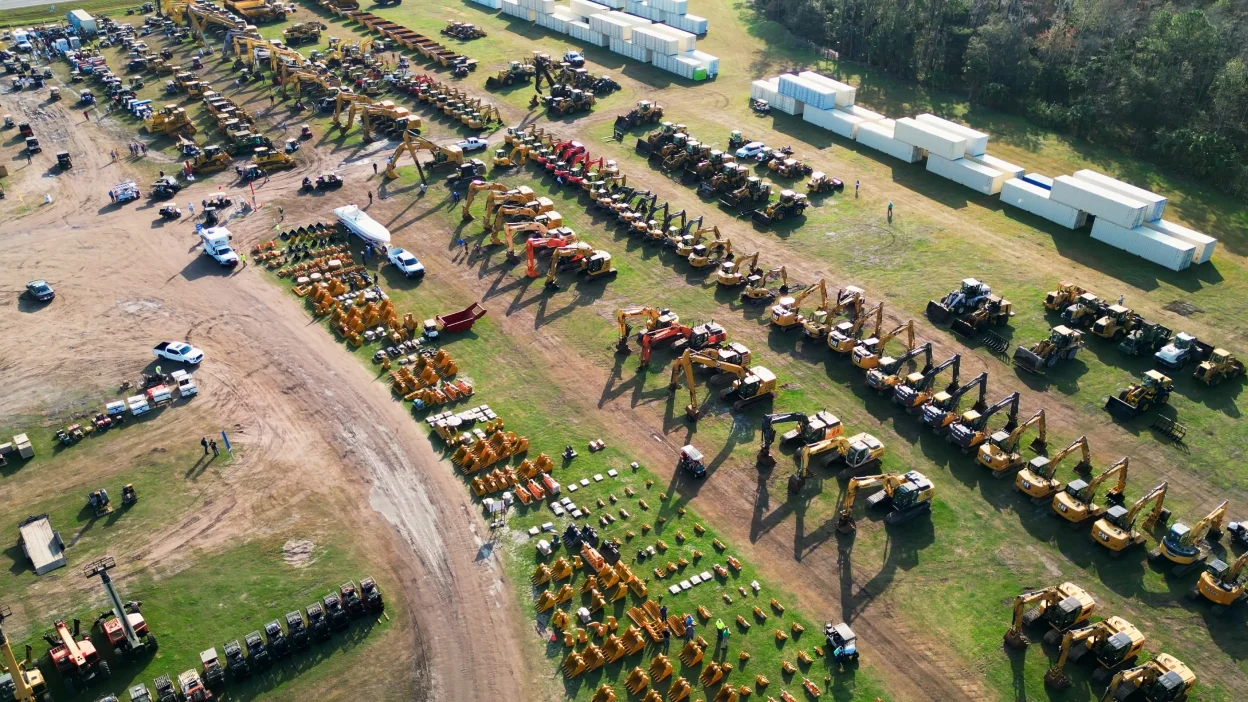
Selling construction equipment is a complex but crucial part of managing an industrial fleet. Many sellers turn to construction equipment auctions for fast results and wide exposure. However, auctions come with trade-offs: unpredictable pricing, high fees, and limited control. In this article, we’ll walk through how auctions work, highlight their advantages and disadvantages, and explain why modern marketplaces, like JumboBee, offer a safer, more profitable option.
Why Auctions Are Prevalent in Construction Equipment Sales
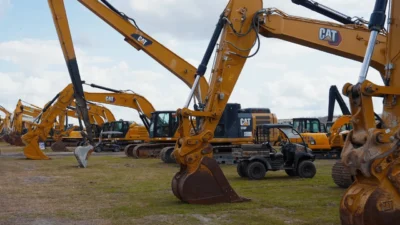
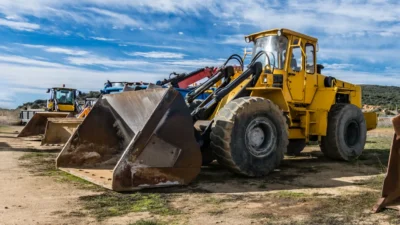
Auctions have long been a staple in the industrial equipment industry. They offer a way to liquidate surplus machines, older models, or underused assets quickly. For businesses looking to free up capital without negotiating individual deals, auctions can be appealing. Moreover, industrial equipment auctions attract competitive buyers from across regions and sometimes internationally, increasing the chance of a fast sale.
The growth of online heavy equipment auctions has further expanded access, allowing sellers to reach broader audiences without physically transporting machines to a site. Yet, while speed is a benefit, it often comes at the expense of maximum profitability.
How Construction Equipment Auctions Work
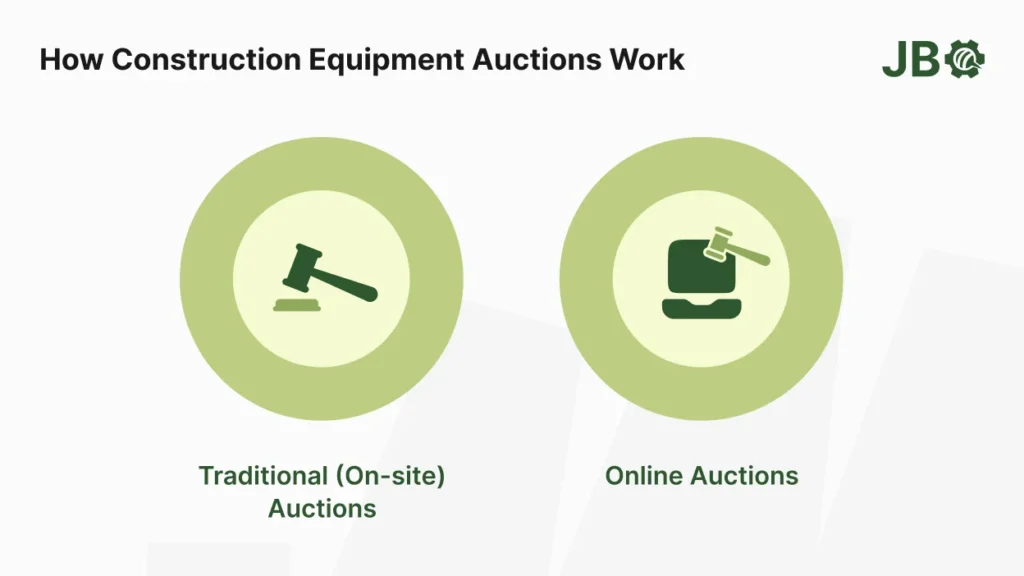
Auctions for heavy equipment fall into two main categories:
Traditional (On-Site) Auctions
On-site auctions involve transporting machines to a physical location where registered buyers bid live. Sellers rely heavily on the auction house for promotion and handling logistics.
Online Heavy Equipment Auctions
Online auctions allow remote bidding through specialized platforms. These auctions increase geographic reach and convenience but still expose sellers to pricing volatility and commission fees.
Auction Formats
- Absolute Auctions: The equipment sells to the highest bidder, regardless of price.
- Reserve Auctions: The seller sets a minimum acceptable price. If bidding fails to meet it, the machine may remain unsold.
Key Participants
- Auction Houses: Organize events, promote inventory, and facilitate transactions.
- Buyers: Range from contractors and rental companies to individual operators.
- Sellers: Businesses or individuals looking to liquidate assets quickly.
Key insight: While auctions are efficient, sellers often trade profit potential for speed.
The Advantages of Selling at Auction
Auctions provide several benefits for sellers:
- Speedy Sales: Especially helpful for older or surplus equipment.
- Large Buyer Pool: International and regional buyers increase competition.
- Transparent Bidding: Competitive bids create a clear view of market interest.
Key takeaway: Auctions are a good way to sell equipment quickly, but they don’t always yield the highest price.
The Disadvantages of Heavy Equipment Auctions
Despite their appeal, auctions come with significant drawbacks that sellers must consider. One of the most pressing concerns is unpredictable pricing. Equipment can sometimes sell well below market value, particularly during periods of low demand or when buyer competition is limited. This volatility can make it difficult for sellers to plan their finances or rely on auctions as a consistent sales channel, turning what might seem like a quick solution into a risky proposition.
High fees and commissions further reduce the potential profitability of auction sales. Auction houses often charge between 10–15% of the final sale price, which can significantly cut into margins. For high-value equipment, this can translate into thousands of dollars lost simply for the privilege of listing items. Combined with other hidden costs, these fees can make auctions far less attractive than direct sales through alternative channels.
Sellers also face limited control over the outcome. At an auction, the final sale price is dictated by market interest and bidder behavior rather than the seller’s objectives. There is little opportunity to negotiate terms or highlight the unique value of equipment, leaving sellers at the mercy of the auction’s dynamics. This lack of control can be especially frustrating when selling specialized or high-demand machinery that deserves a premium price.
Logistics present another challenge. Preparing, transporting, and documenting equipment for auction can be time-consuming and resource-intensive. Sellers must ensure machinery is in working condition, clearly documented, and delivered to the auction site on schedule. These efforts add extra costs and coordination challenges, which can erode both profit and efficiency.
There is also the risk of unsold equipment. Even reserve auctions, which set a minimum acceptable price, can result in machinery remaining unsold if bids fail to meet expectations. Unsold inventory ties up capital and creates additional handling and storage challenges, forcing sellers to reconsider alternative sales strategies.
Auctions rarely foster ongoing buyer relationships. Unlike marketplaces or direct sales channels, auctions do not typically encourage repeat business. Buyers may bid opportunistically rather than develop loyalty to a particular seller. This lack of continuity limits the potential for establishing long-term partnerships that could provide stable revenue and reduce future selling effort.
When you sell construction equipment online, you have more control, lower commissions, and integrated logistics, mitigating many of these issues.
Online Heavy Equipment Auctions vs. Modern Marketplaces
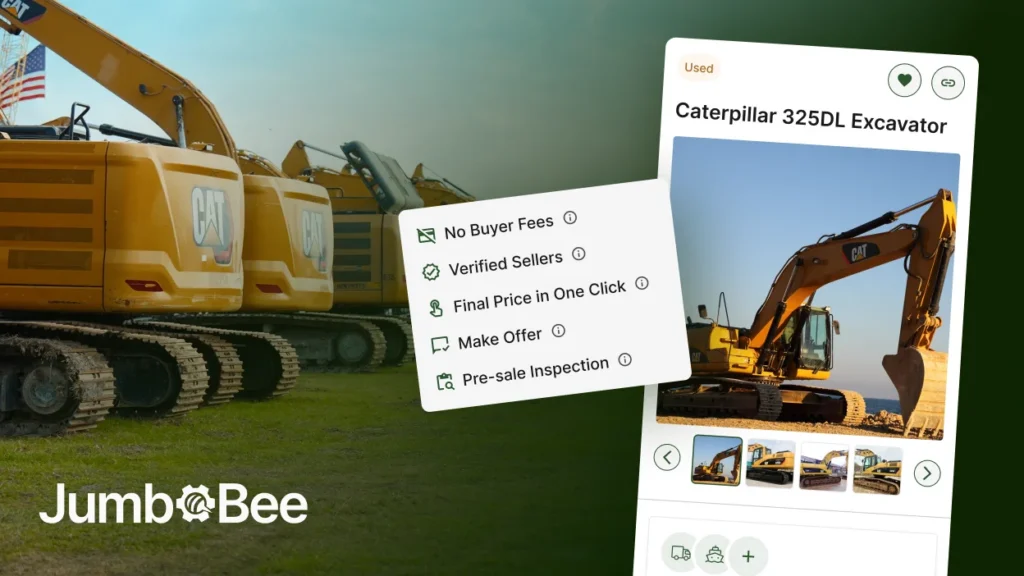
Online auctions address convenience but do not eliminate price unpredictability and high fees. Modern marketplaces like JumboBee offer a solution that combines speed with control and security.
| Feature | Auction | Marketplace (JumboBee) |
|---|---|---|
| Pricing | Unpredictable | Market-based with negotiation |
| Fees | High commissions (10–15%) | Low, transparent |
| Buyers | Mixed, varying reliability | Vetted, global |
| Payments | Slower | Escrow-secured |
| Shipping | Seller responsible | Integrated logistics |
Why Sellers Choose Marketplaces Over Auctions
Expanding your market beyond local bidders opens the door to a world of opportunities. By reaching vetted international buyers, you gain access to clients who are actively seeking quality products and services, often willing to pay premium prices. This global exposure not only increases your chances of closing high-value deals but also diversifies your revenue streams, reducing reliance on a single market. Connecting with trusted international buyers ensures that your offerings reach the right audience efficiently and effectively.
Transparent terms and secure transactions are the cornerstone of building trust in any business relationship. Avoiding hidden fees, unclear conditions, or unexpected risks allows both parties to focus on the deal itself rather than worrying about complications. With clearly defined agreements and secure payment processes, sellers can operate with confidence, knowing that every transaction is protected. This transparency also enhances your reputation, making international buyers more likely to return for future deals.
Maintaining full price and deal control empowers you to negotiate on your terms and safeguard your profits. Rather than relying on middlemen or restrictive platforms, direct communication with buyers ensures you can discuss pricing, terms, and delivery according to your strategy. This level of control prevents undervaluation of your products and allows for flexible arrangements that benefit both parties. By managing your deals independently, you maximize revenue while retaining the freedom to respond quickly to changing market conditions.
Building lasting buyer relationships is the key to sustained success. Repeat customers become a stable revenue source, reducing the time and effort required to secure new clients. By nurturing trust, delivering consistent quality, and maintaining open communication, sellers can create loyal partnerships that grow over time. Strong relationships with international buyers not only generate recurring business but also create valuable networks for referrals and collaborative opportunities, ensuring long-term growth and stability.
Tips for Sellers Considering Auctions Anyway
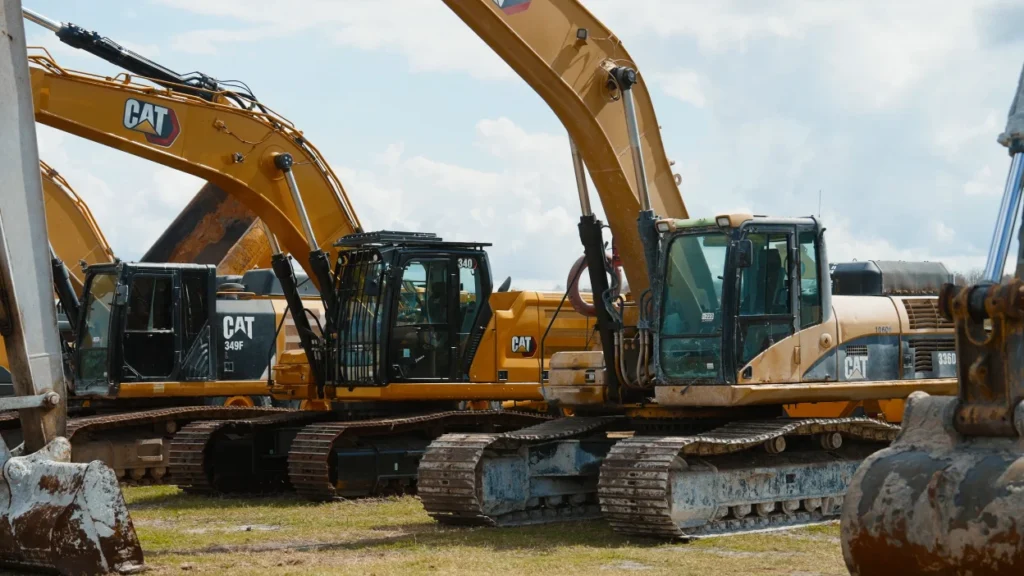
When selling heavy equipment at auction, the first step is selecting a reputable auction house. Researching past sales, client feedback, and overall track record will help ensure your equipment is in capable hands. A trusted auction partner can attract serious buyers, provide professional guidance, and create a smoother selling experience, reducing the risks associated with low turnout or mismanaged listings.
Setting realistic price expectations is equally important. Understanding the current market for your equipment, including trends and typical sale ranges, will help you determine an appropriate reserve price and avoid disappointing results. Being realistic about potential outcomes ensures you can plan effectively and make informed decisions about whether to proceed with the auction or explore alternative sales channels.
Anticipating fees and commissions is another key consideration. Auction houses typically charge both seller commissions and marketing costs, which can significantly impact overall profit. By calculating these expenses ahead of time, you can determine the true net value of a sale and avoid surprises after the auction concludes. This proactive approach helps protect your margins and ensures a more profitable outcome.
Preparing your documents and equipment is essential for a successful auction. Equipment that is clean, functional, and inspection-ready builds buyer confidence and can drive higher bids. Complete, accurate documentation—including maintenance records, specifications, and proof of ownership—reinforces credibility and helps buyers make informed decisions, ultimately increasing the likelihood of a smooth, successful sale.
Conclusion
Auctions offer speed and broad exposure but are unpredictable and costly. Modern marketplaces like JumboBee provide sellers with control, security, and higher profit potential while still enabling fast sales.