


 Selling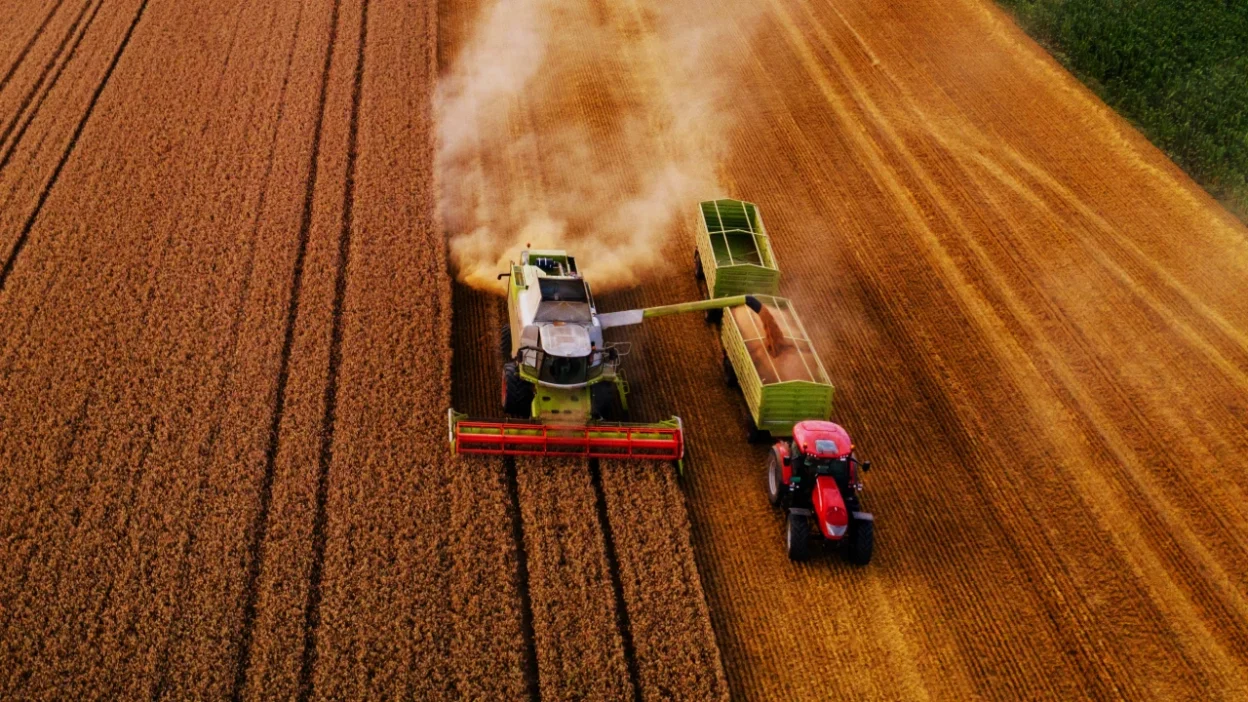
If you own an excavator, wheel loader, or bulldozer sitting in your yard right now, you’re in a strong position: most U.S. state fiscal years begin July 1, and construction spending stays elevated through late summer, so freshly-funded state agencies and their contractors are actively sourcing equipment. If it’s a combine, tractor, or planter in your yard instead, your domestic pre-planting window has already passed for this year – but as this article will show, that’s a signal to change where you’re selling, not whether to sell.
This article breaks down exactly how seasonal demand heavy equipment cycles work, what they mean for different machine types, and how you can use timing to sell heavy equipment faster – with real numbers and practical steps you can act on today.
Why Seasonality Matters in the Heavy Equipment Market

Heavy equipment demand is not random. It follows predictable cycles driven by weather, planting and harvest calendars, construction project timelines, and fiscal budget patterns. If you understand these cycles, you can list your machine when buyers are most motivated – and motivated buyers move fast.
Right now, in July, two of these cycles are in full swing: construction demand is near its seasonal high, and many state agencies just opened a new fiscal year. The agricultural pre-planting cycle, by contrast, already peaked earlier this year – which matters for how you should time an ag listing today.
Here’s how the main demand drivers work:
Agricultural seasons are the clearest example. Farmers do not buy tractors in October after harvest is done. They buy them in February, March, and April – before planting season begins. The U.S. corn planting window runs roughly from mid-April through mid-May in the Corn Belt, earlier in southern states, with soybean planting following closely behind. That means equipment decisions are made 60 to 90 days earlier – so by July, this year’s domestic pre-planting rush has already passed.
Construction cycles follow weather windows. Spring thaw in March and April unlocks frozen ground across the northern U.S. and Canada, and construction projects that were paused in winter restart almost immediately. The U.S. Census Bureau shows construction spending tends to accelerate from March through August, with activity generally running highest in the summer months – which puts mid-July right in the middle of the year’s busiest stretch.
Contractor budget cycles also matter, and they run on two separate clocks. Most U.S. state fiscal years begin July 1, so state agencies and their contractors just received fresh capital budgets and are actively sourcing equipment for projects heading into fall. Many municipalities, by contrast, run on calendar-year budgets, with new funding landing January 1 and driving sourcing activity from February onward.
Weather windows directly restrict or enable the use of certain machines – and therefore purchase decisions. Snow removal equipment, for example, sees demand spike in October and November – which means July is the right time to start preparing that listing, not to post it yet. Land preparation tools peak before spring fieldwork. Seasonal demand heavy equipment patterns are really just supply chains responding to nature’s calendar.
Seasonal Demand Patterns by Equipment Type
Agricultural Equipment: Tractors, Combines, Planters
This is where seasonal patterns are most visible and most predictable.
Combines are a perfect case study. Harvest in the U.S. Midwest runs from September through November depending on the crop. But buyers start searching for combines in April, May, and June – sometimes earlier. A buyer who needs a John Deere S770 for the September corn harvest wants to find it, inspect it, negotiate it, arrange financing, and have it delivered with time to spare. That process takes months.
If you list a combine in August, you are competing with buyers who are stressed, rushed, and sometimes already locked into other machines. If you list in March or April, you catch early-stage buyers who are comparing options and willing to pay a fair price.
Tractors follow the planting calendar. Pre-planting demand peaks from late January through March. By mid-July, this year’s buying window has already closed – if you still have a tractor to move, your best bet now is reaching buyers in regions entering their own planting season, or holding the listing until the window reopens early next year.
Planters and seeding equipment see a short but sharp demand window from February through April. After May, buyer urgency drops fast. A 24-row planter that could sell in three weeks in March might sit for months if listed in June.
Construction Equipment: Excavators, Loaders, Bulldozers
Construction equipment demand tracks closely with the construction season. Equipment utilization rates – a proxy for purchase urgency – rise sharply from March through July.
Excavators are one of the most actively traded machine categories globally. Early spring is the best time to sell heavy equipment like excavators, as contractors are mobilizing for site work, utility installation, and infrastructure projects. A mid-size excavator listed in March will attract multiple serious buyers. The same machine listed in November may sit for four to five months.
Wheel loaders and skid steers peak slightly earlier, since they are used for site preparation ahead of foundation work. February and March are solid listing windows for these machines.
Bulldozers serve both land-clearing and grading functions, so demand peaks align with early construction season – March through May – and also with late-season land preparation for farming in some regions.
Attachments and Implements
Seasonal implements often get overlooked, but the timing logic is the same.
Snow removal equipment – blades, pushers, blowers – should be listed in September and October, not January. By December, buyers have either already purchased or are managing the season with what they have.
Land preparation tools – disc harrows, field cultivators, ripper attachments – peak from February through April.
Hay and forage equipment sees strong buyer activity from March through May, ahead of first cutting.
How Timing Your Listing Can Increase Sale Speed
Here is the economic logic in simple terms: buyer urgency drives decisions.
When a farmer needs a combine before harvest and there are only a few available at the right price, they act fast. When there is no urgency – no upcoming season, no project deadline – buyers take their time, negotiate harder, and sometimes walk away.
A machine listed just before demand spikes operates in a market of active, motivated buyers. The same machine listed at the wrong time sits in a market of casual browsers.
Example
Imagine you own a 2021 John Deere combine with 800 hours. If you list it in October after harvest ends, your buyer pool is thin. Most farmers just finished harvest and are not thinking about next year yet. If you list that same machine in February or March, you hit buyers who are actively planning, comparing specs, and already talking to their lender. You can realistically expect faster offers and less price pressure.
The best time to sell heavy equipment is typically 60 to 90 days before the relevant season starts. That lead time matches the research and purchasing timeline of serious buyers.
Signs That Demand for Your Equipment Is Rising
You do not have to guess when demand is heating up. There are real indicators you can track:
- Listing views increase. If similar machines on marketplace platforms are getting more views week over week, buyers are actively searching.
- Inquiries rise. More questions from potential buyers – even casual ones – signal growing interest.
- Auction prices firm up. The Bureau of Labor Statistics publishes Producer Price Index data for machinery, viewable via FRED (the Federal Reserve Bank of St. Louis’s database), and AEM publishes monthly ag and construction equipment sales data. When sales numbers climb, prices follow.
- Search volume for specific models increases. Google Trends can show you when people are searching for a specific machine type. Row-crop tractor searches, for example, typically trend upward in February and March ahead of planting season.
- Inventory tightens. When you browse available listings and find fewer comparable machines for sale, that means you have pricing power.
Monitoring activity in current equipment listings on JumboBee can help sellers understand which machines are attracting the most buyer attention in real time.
Strategies to Sell Heavy Equipment Faster During Peak Demand
List Equipment Before Demand Peak
Early listing is not just about timing – it is about positioning. Buyers who start searching early are often more serious and better prepared financially. They have time to arrange inspections, secure financing, and plan logistics.
Farmers often begin searching for combines well before harvest. If your machine is listed before competing units arrive, you get first-mover advantage. Once the market fills with inventory, you are competing on price. List early, and you compete on value.
Use High-Quality Listings
This sounds obvious, but it is consistently one of the biggest gaps sellers have. An international buyer who has never seen your machine in person is making a decision based entirely on what you show them.
Your listing needs:
- At least 10 to 15 clear photos from multiple angles, including the cab, engine bay, undercarriage, and wear points
- Accurate engine hours and service history
- A detailed spec sheet matching the manufacturer’s original specifications
- Any known issues disclosed clearly – buyers respect transparency, and it reduces deal-killing surprises later
Detailed listings attract international buyers, who are often the most motivated and least price-sensitive because they are sourcing equipment they cannot find locally.
Reach Buyers Beyond Local Market
Local demand can be limited depending on the season. If you are in Minnesota in February and the ground is frozen, your local construction equipment buyer pool is thin. But in Texas, Georgia, or across markets in Egypt, Ukraine, or Mongolia – regions that are active buyers on international platforms – demand may be running at full strength right now.
Listing equipment on a global marketplace allows sellers to reach buyers in regions where demand is currently stronger. This directly shortens your selling timeline because you are not waiting for your local market to wake up.
Price Strategically Based on Market Timing
Machines listed at the beginning of demand cycles often command stronger offers because supply is still limited. As the season progresses and more sellers enter the market, prices soften.
A practical approach: check three to five comparable listings on active marketplaces to understand the current price range. Position your machine in the lower half of that range if you want speed, or at the midpoint if you are willing to wait for the right buyer. Do not price above market expecting to negotiate down – international buyers especially tend to skip overpriced listings entirely.
Why International Marketplaces Help Capture Seasonal Demand
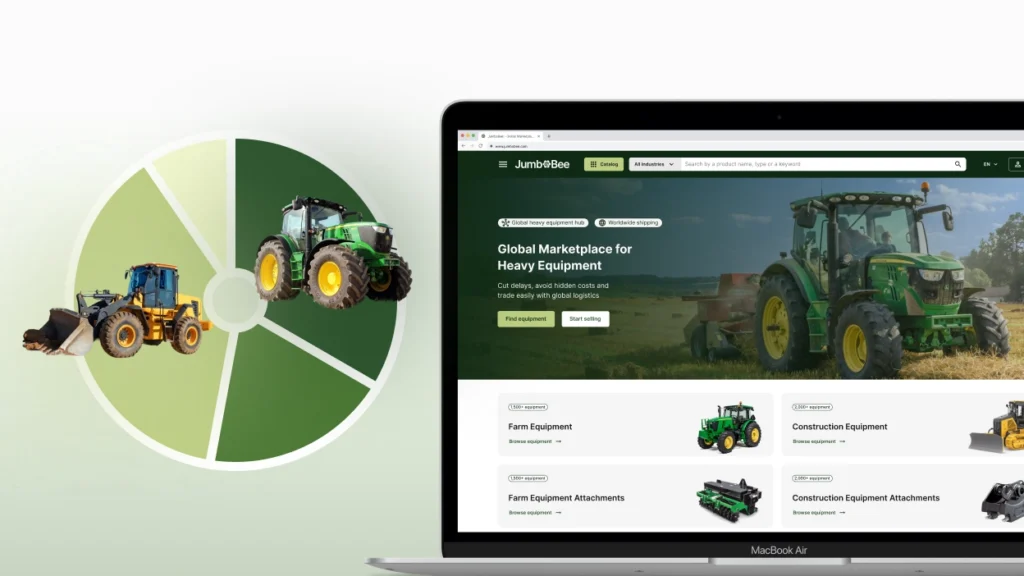
Global demand cycles are not identical. While construction slows in northern climates during winter, demand in warmer regions – the Middle East, North Africa, Southeast Asia, parts of South America – may remain strong or be entering its own peak period.
Online marketplaces connect sellers with buyers from multiple regions, allowing equipment to move to markets where demand is strongest. A skid steer that has no local takers in December might be exactly what a contractor in Egypt needs to meet an early-year project deadline.
This geographic diversification of demand is one of the strongest arguments for listing on a platform with international reach. You are not just expanding your buyer pool – you are accessing markets that are in completely different seasonal cycles than your own.
Common Mistakes Sellers Make with Seasonal Equipment Sales
| Mistake | Impact |
|---|---|
| Listing too late in the season | Miss peak buyer urgency, price pressure increases |
| Ignoring international buyers | Smaller buyer pool, longer time on market |
| Poor listing quality | Buyers skip the listing or lowball due to uncertainty |
| Pricing aggressively after demand drops | Machine sits, requires price cuts anyway |
| Waiting for the perfect offer at peak | Risk sliding into off-season with no sale |
Timing mistakes can extend selling time by weeks or months. A combine that should have sold in March at asking price might still be sitting in August, now requiring a 10 to 15% discount to move – and still facing low traffic.
Quick Reference: Peak Selling Seasons by Equipment Type
| Equipment Type | Best Time to List | Peak Buyer Activity |
|---|---|---|
| Combines and harvesters | February – April | March – June |
| Row-crop and 4WD tractors | January – March | February – April |
| Planters and seeding equipment | January – March | February – April |
| Excavators | February – March | March – June |
| Bulldozers | February – March | March – May |
| Wheel loaders and skid steers | February – March | March – May |
| Snow removal attachments | September – October | October – November |
| Hay and forage equipment | February – April | March – May |
Conclusion: Timing Is a Strategy, Not Luck
Seasonal demand heavy equipment cycles follow predictable patterns every year. The farmers, contractors, and equipment managers who drive this market operate on schedules tied to weather, planting windows, and project deadlines. When you list your machine in line with those schedules, you are meeting buyers exactly when they need what you have.
Sellers who understand when to sell heavy equipment attract more buyers, face less price pressure, and spend far less time waiting. Sellers who list at random – or too late – often end up extending their time on market by months and accepting lower offers just to close.
Right now, in mid-July, construction season is at its seasonal peak and state agencies just opened new fiscal-year budgets – if you have an excavator, loader, or bulldozer to move, this is your window. If you’re holding ag equipment instead, this year’s domestic pre-planting rush has already passed; use the time now to prep your listing for the September snow-equipment cycle, or reach international buyers whose planting and harvest seasons run on a different calendar.
If you are planning to sell heavy equipment this season, listing your machine on JumboBee’s international marketplace puts your listing in front of verified buyers across more than 100 countries – buyers who are actively searching right now, regardless of what season it is where you are. Start listing your equipment on JumboBee today and reach the buyers who are ready to buy.


Be the first to leave a comment
There are no replies to this post yet. Share your thoughts and help start the conversation.