Trends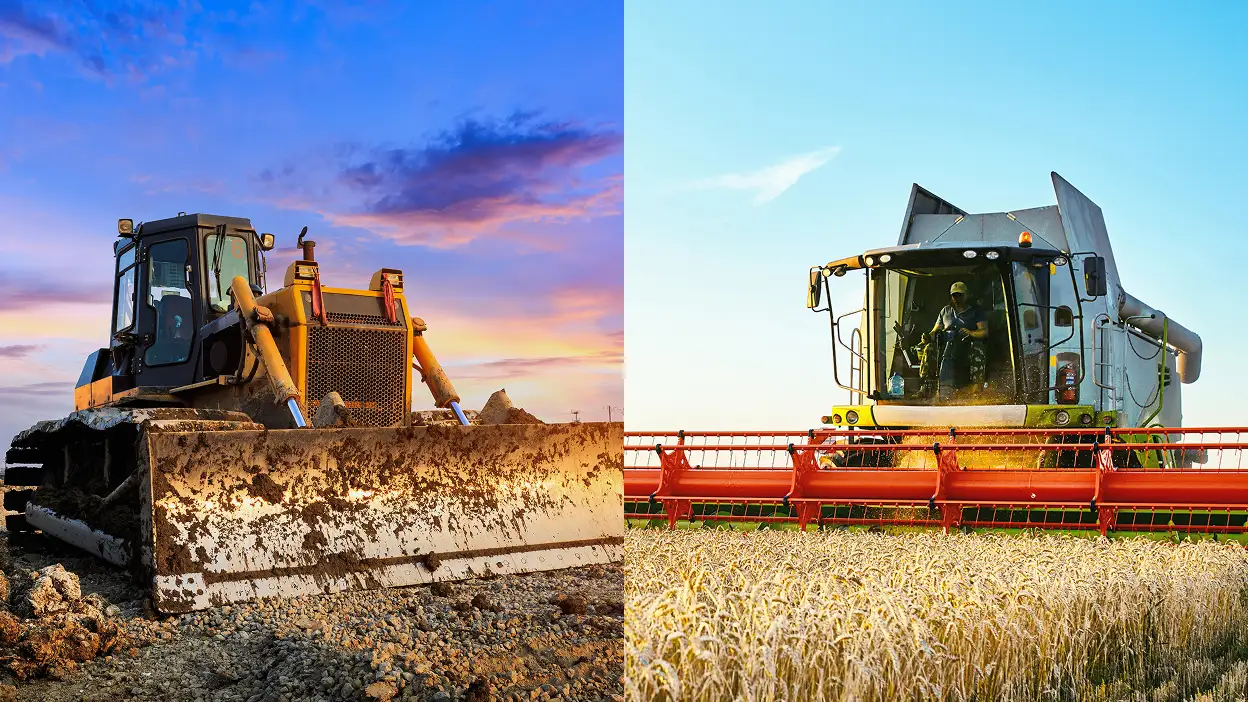
The world’s population is growing, cities are expanding, and food production must keep pace with rising demand. At the same time, nations are investing heavily in infrastructure to support both urban and rural development. Together, these forces are fueling a strong global market for farm and construction machinery.
This article explores the current trends, major drivers, key players, regional dynamics, and the future outlook for these industries.
Rising Global Demand
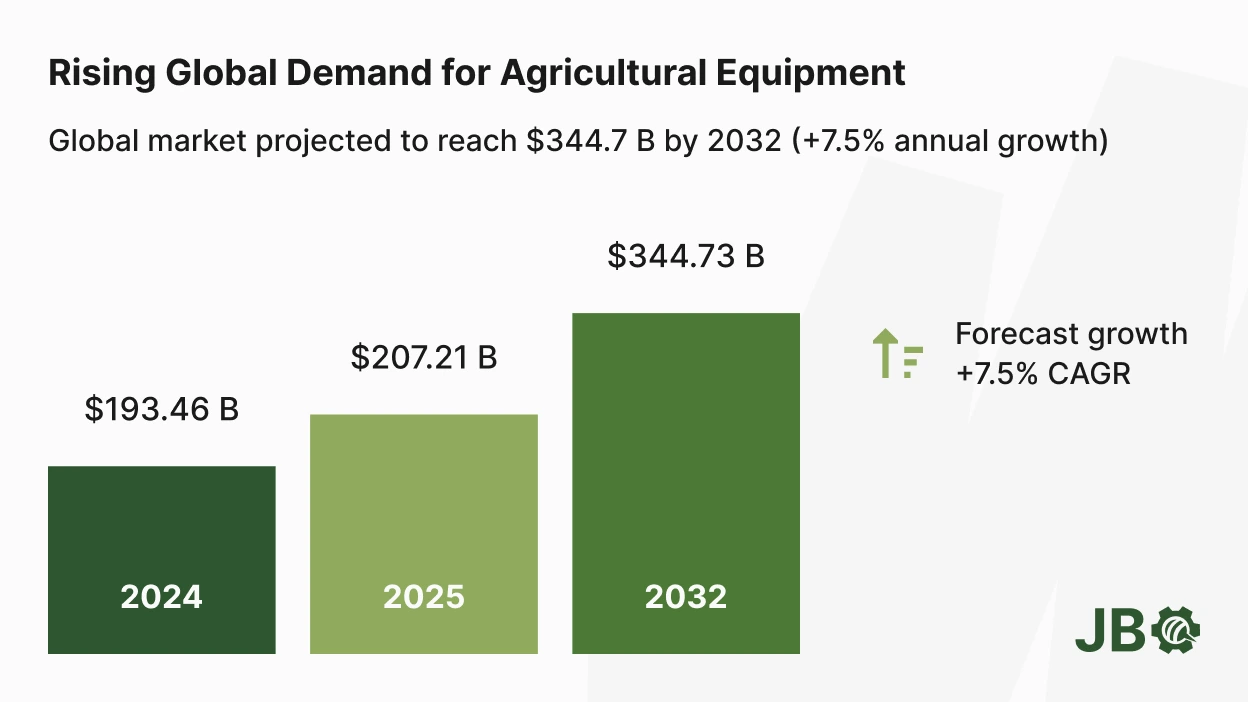
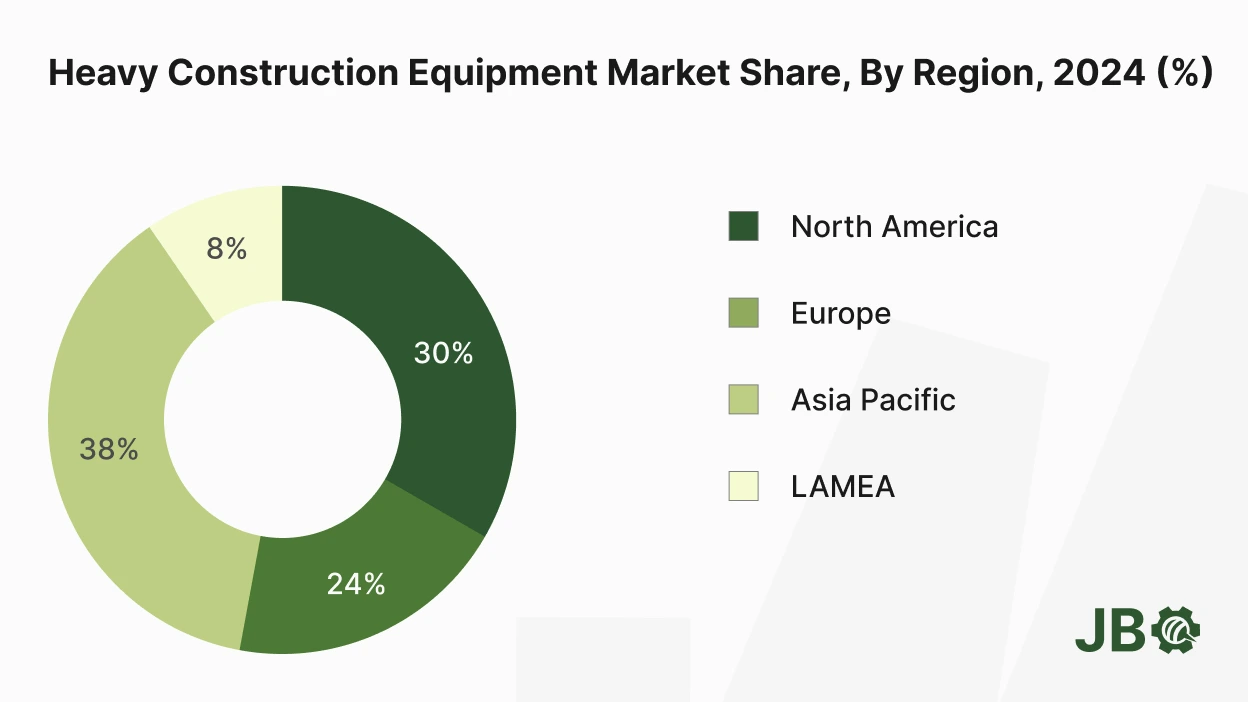
The demand for farm and construction machinery is at an all-time high. Both sectors are critical for addressing two of the world’s biggest challenges: feeding a growing population and building modern infrastructure.
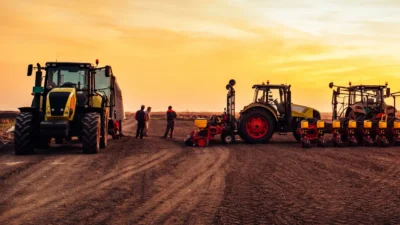
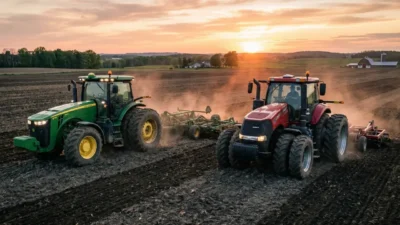
In farming, modern machinery such as tractors, harvesters, and irrigation systems helps farmers increase yields, save time, and reduce labor costs. On the construction side, machines like excavators, bulldozers, and loaders are essential for building roads, bridges, homes, and industrial facilities.
As economies grow, so does the need for efficient, durable, and advanced machinery that can handle large-scale projects and improve productivity.
Key Market Trends
Several clear trends are shaping the industry today:
- Mechanization in agriculture
Many developing countries are moving from manual labor to machine-based farming. This shift boosts productivity and supports food security (according to the Food and Agriculture Organization). - Infrastructure investment
Governments worldwide are investing in transport systems, energy facilities, and housing projects. Such programs demand heavy equipment on a large scale. - Technology integration
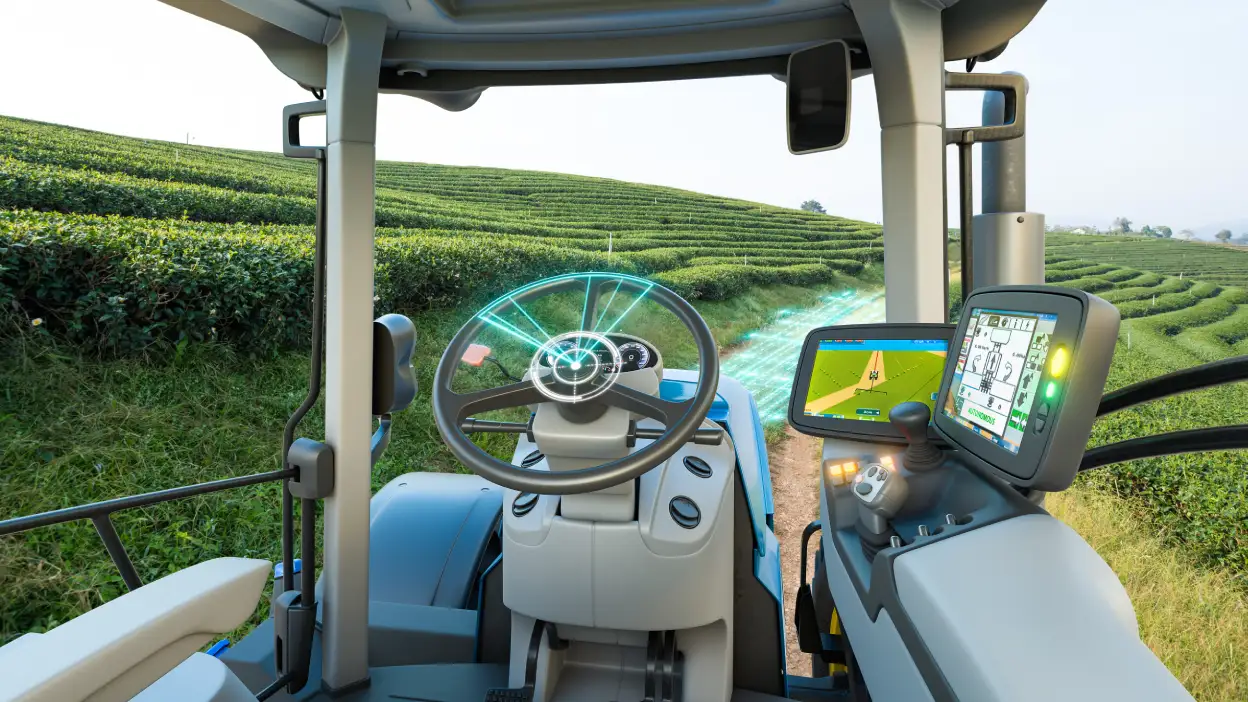
Machines are becoming “smarter.” GPS systems, automation, and even artificial intelligence are being built into modern equipment. This makes work faster, safer, and more precise. - Sustainability focus
There is a growing demand for machines that consume less fuel, generate fewer emissions, and operate efficiently to minimize environmental impact (according to the Food and Agriculture Organization). - Second-hand equipment growth
Many businesses and farmers, especially in emerging economies, are turning to used machinery markets. This provides access to reliable machines at lower prices.
Growth Drivers
The following factors are pushing demand higher across both industries:
- Technological innovation: Advances in automation, telematics, and electric engines make machinery more attractive to businesses seeking efficiency.
- Population growth and food demand: The global population, currently 8 billion, is expected to reach nearly 10 billion by 2050. Farmers will need advanced machinery to produce enough food.
- Urbanization: More than 58 % of the world’s population now lives in cities. Expanding urban areas require new housing, transportation, and utilities, all of which need construction equipment.
- Government policies: Subsidies for farmers, infrastructure spending, and climate-related programs all support machinery demand.
- Labor shortages: Both farming and construction face challenges in hiring skilled workers. Machines help fill the gap by doing more with fewer people.
Major Players in the Market
The global machinery industry is dominated by a few major companies, many of which are household names.
- John Deere (United States): A leader in both farm and construction equipment.
- Caterpillar (United States): The largest manufacturer of construction machinery worldwide.
- Komatsu (Japan): A global competitor with a strong presence in Asia and beyond.
- CNH Industrial (Europe): Known for Case and New Holland brands in farming and construction.
- Kubota (Japan): Specializes in compact tractors and equipment, popular with small- to medium-scale farmers.
- Volvo Construction Equipment (Sweden): Recognized for innovation and sustainable machine designs.
These companies compete through innovation, global distribution networks, and financing options that make machinery accessible to more customers.
Regional Dynamics
The demand for farm and construction machinery varies by region, but growth is widespread.
- Asia-Pacific: The fastest-growing region, driven by rapid urbanization in China and India. Rising incomes also allow more farmers to invest in machinery.
- North America: A mature market with high adoption of advanced technologies like precision farming and autonomous construction equipment.
- Europe: Strong demand for sustainable and environmentally friendly machinery. Strict regulations push innovation in green technology.
- Latin America: Growth is tied to large-scale agriculture, especially in countries like Brazil and Argentina.
- Africa: Mechanization is increasing but still in its early stages. Rising investment from both governments and private companies shows strong future potential.
Challenges Facing the Market
Despite strong demand, the industry faces several challenges:
- High upfront costs: New machines are expensive, limiting access for small farmers and businesses.
- Supply chain disruptions: The COVID-19 pandemic revealed vulnerabilities in global supply chains. Delays in parts and shipping affect production and sales.
- Environmental concerns: Machines consume large amounts of fuel and contribute to emissions. Balancing productivity with sustainability is a constant struggle.
- Financing barriers: Access to credit remains difficult in many emerging markets. This makes buying new machinery challenging for smaller businesses.
Workforce adaptation: New technology requires training. Many workers must learn how to operate advanced machinery safely and effectively.
Looking ahead, the global demand for farm and construction machinery is expected to grow steadily over the next decade.
- Automation will expand: Autonomous tractors, robotic harvesters, and self-driving construction machines are already being tested and will soon become mainstream.
- Green technology will rise: Electric and hybrid machinery will gain popularity as industries seek to cut emissions and fuel costs.
- Digital solutions will spread: Cloud-based systems, remote monitoring, and predictive maintenance will help businesses reduce downtime and improve performance.
- Emerging markets will lead growth: Asia and Africa will be the key regions driving global demand, thanks to rapid urbanization and rising agricultural needs.
The balance of affordability, sustainability, and efficiency will shape the industry. Companies that provide flexible financing, durable products, and innovative solutions will have the advantage.
Conclusion
The global demand for farm and construction machinery is growing because the world needs more food, better infrastructure, and higher efficiency. Advances in technology, government investment, and the push toward sustainability are reshaping the industry.
Challenges remain, especially around costs, environmental impact, and supply chains. Yet the overall outlook is bright. As machines become smarter, greener, and more accessible, they will continue to play a vital role in shaping how we farm, build, and live.