


 Buying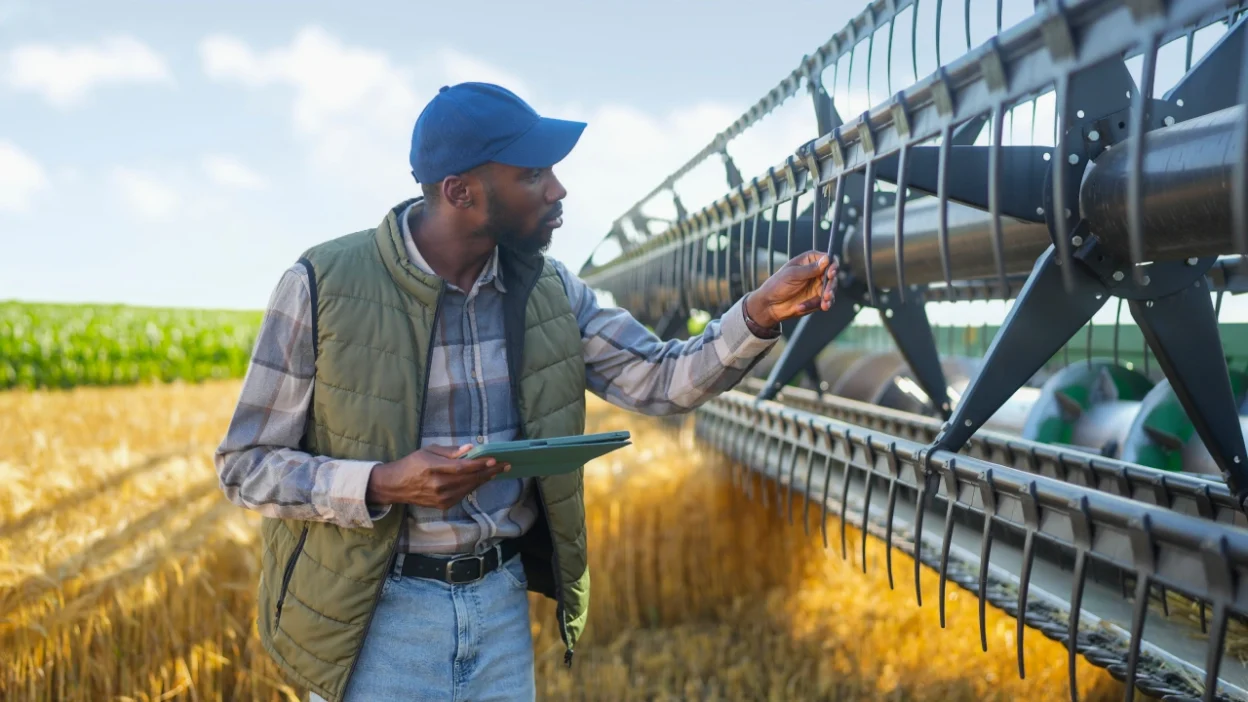
Global trade has transformed how contractors, farmers, and fleet managers source machinery. As of 2026, buying a tractor in the United States and shipping it to Egypt or Ukraine is a standard daily operation. Buyers no longer need to limit themselves to local dealers. You can access thousands of machines worldwide, finding exact models at better prices.
However, buying machines across borders introduces a distinct challenge. You cannot walk around the machine, sit in the cabin, or listen to the engine yourself. You must evaluate multi-thousand-dollar assets through screens, documents, and proxy services.
This article provides a practical, step-by-step guide for evaluating machinery without physical access. You will learn how to structure your evaluation process, what specific red flags to watch for, and how to execute cross-border purchases with total confidence.
Why Remote Inspection Has Become Standard in Global Equipment Trade
Historically, buyers preferred local sourcing because they could physically verify machine conditions. Today, local markets often lack inventory or feature inflated prices. International sourcing solves these problems, but it requires a shift in how you evaluate purchases.
Performing a heavy equipment remote inspection is no longer a compromise. It is a highly efficient standard operating procedure. Flying across the world to look at a 2021 John Deere 8R 370 costs thousands of dollars in flights, hotels, and lost time. Instead, smart buyers use structured video calls, detailed documentation, and independent mechanics to verify machinery from their home office.
Modern communication tools and high-definition video make it entirely possible to spot leaks, hear engine misfires, and check undercarriage wear from thousands of miles away. When done correctly, this process provides just as much data as an in-person visit, minus the travel expenses.
What’s at Risk When You Skip Proper Inspection
Skipping a thorough evaluation process exposes you to severe financial and operational risks. International shipping is expensive. Once a machine leaves the port, returning it is rarely a viable option. You must know exactly what you are buying before funds transfer.
Consider real-world consequences of poor verification. Imagine purchasing a 2018 John Deere 333G track loader for $46,900. On paper, it looks perfect. You skip the detailed video evaluation and rely only on the seller photos. When the machine arrives, you discover a severe hydraulic pump failure and heavily worn tracks that were cleverly hidden in shadows during photography.
Let us calculate the financial impact of this mistake:
- Replacement hydraulic pump: $4,500
- New rubber tracks: $3,200
- Labor for installation: $1,800
- Three weeks of operational downtime at $500 per day: $10,500
- Total unexpected loss: $20,000
This single mistake increases your true purchase price by nearly 50 percent. Proper heavy equipment inspection prevents these scenarios. By forcing sellers to demonstrate specific functions on video, you eliminate hidden defects, inaccurate listings, and unexpected repair costs.
What You Should Prepare Before Remote Inspection
Preparation dictates the success of your evaluation. Before you request videos or hire mechanics, you must gather baseline data and assess seller credibility.
Collect Complete Machine Information
Never start evaluating a machine without its complete specification sheet. You need exact details to cross-reference during your visual checks.
Essential data points include:
- Exact model and manufacturing year
- Total operating hours and idle hours
- Configuration details and emission standards
- Included attachments and their specific condition
- Service history records and maintenance logs
Ensure consistency between the public listing and the provided data. If a listing claims 2,000 hours, but the service log shows a major overhaul at 4,500 hours, you have found a critical discrepancy.
Evaluate Seller Transparency
Seller behavior often reveals as much as the machine itself. Professional sellers welcome detailed questions because they want to close the deal.
Signs of good transparency include fast response times, willingness to provide specific close-up photos, and open sharing of maintenance records. If a seller refuses to start the machine on a live video call or makes excuses about missing documents, consider this a major warning sign. Walk away from uncooperative sellers.
Choose Right Inspection Format
You have three primary formats for remote evaluation. You must choose the right one based on machine value and your mechanical expertise.
Recorded video walkarounds work well for lower-value attachments or simple implements. Live video calls are mandatory for complex machinery like excavators and combines, allowing you to ask questions in real time. Independent third-party verification is best for high-value purchases or when buying from unknown private sellers.
Remote Heavy Equipment Inspection Checklist (Step-by-Step)

Structured evaluation prevents you from missing critical details. Use this comprehensive heavy equipment inspection checklist to guide your next cross-border purchase. Follow these steps systematically.
Visual Condition and Structural Integrity
Start with the bones of the machine. Structural repairs are incredibly expensive and often indicate severe past abuse or accidents.
During the video review, direct the camera operator to show all main stress points. Look closely at loader arms, excavator booms, and articulation joints.
Key structural checks include:
- Fresh paint in isolated areas, which often hides recent welds or cracks
- Hairline cracks around high-stress pivot points
- Fishplates or metal plates welded over original structures, indicating previous breakage
- Corrosion levels, especially on machines working near salt water or harsh chemicals
- Glass condition inside the cabin, noting any cracks that compromise safety
Engine and Power System
Engine replacement is one of the highest costs you can incur. You must demand a cold start. A warm engine hides compression issues, failed glow plugs, and starting motor defects. Instruct the seller to touch the engine block with their bare hand on video before turning the key. This proves the engine is actually cold.
Once the engine starts, observe the exhaust smoke. According to Equipment World maintenance standards, smoke color tells a clear story about engine health.
- Continuous black smoke indicates unburned fuel, pointing to faulty injectors or restricted air intake.
- Blue smoke means the engine is burning oil, signaling worn piston rings or valve seals.
- Thick white smoke after warming up suggests coolant is entering the combustion chamber, often due to a blown head gasket.
Listen for knocking sounds or uneven idling. Ask the operator to remove the oil filler cap carefully while the engine runs. Excessive puffing smoke escaping from the oil fill indicates severe engine wear, commonly known as blowby.
Hydraulic System
Hydraulic power drives earthmoving and agricultural machinery. A weak hydraulic system renders a machine useless.
Ask the operator to demonstrate all hydraulic functions. For an excavator, this means booming up, extending the stick, and curling the bucket. Watch for smooth, consistent movement. Jerky motions indicate air in the lines, low fluid, or failing internal pump components.
Request a leak check. Have the camera operator wipe down the main hydraulic cylinders with a clean cloth, operate the machine for five minutes, and then show the cylinders again. Fresh fluid means leaking seals.
Test hydraulic drift. Ask the operator to lift a heavy load, or lift the machine off the ground using its own boom, and turn the engine off. If the machine slowly drops to the ground, internal cylinder seals or main control valves are failing.
Undercarriage, Tracks, or Tires
Undercarriage components represent a massive portion of total machine value. For bulldozers and track loaders, the undercarriage accounts for roughly 20 percent of the purchase price and up to 50 percent of lifetime maintenance costs.
According to Caterpillar undercarriage management guides, you must evaluate specific wear points. Replacing a complete undercarriage on a medium dozer easily costs over $15,000.
Visual checks for tracked machines:
- Sprocket teeth shape. Sharp, pointed teeth mean severe wear. Good teeth are flat at the top.
- Track pad thickness and grouser height.
- Bottom roller condition and signs of leaking oil from roller seals.
- Track tension. Sagging tracks indicate worn tensioners or stretched chains.
For wheeled machines, check tire tread depth, sidewall cuts, and signs of dry rot. Heavy agricultural tires for machines like the John Deere 9R 440 cost thousands of dollars each.
Cabin, Controls, and Electronics
Modern machinery relies heavily on electronics. A failed display monitor or broken joystick module can ground a machine just as quickly as a broken engine.
Have the seller take the camera inside the cabin. Check the overall cleanliness, which reflects how well the previous owner treated the machine.
Electronic and control checks:
- Dashboard warning lights and active error codes on the main display
- Air conditioning and heating functionality
- Seat condition and suspension mechanisms
- Joystick responsiveness and absence of excessive play or looseness
- Functionality of all exterior work lights and safety beacons
Attachments and Functional Performance
Finally, inspect the tools that actually do the work. Buckets, blades, and quick couplers take the most physical abuse.
Examine bucket teeth and cutting edges. Look at the thickness of bucket side plates. Ask the operator to place the bucket flat on the ground and wiggle the joystick. Watch the connection points between the boom and the bucket. Loose, rattling movement means you need new pins and bushings, which requires expensive line-boring work.
How to Conduct Remote Inspection Like Professional Buyer
Knowing what to look for is only half the battle. You also need to know how to control the remote evaluation process. Do not let the seller dictate what you see. Take charge of the process using these professional techniques.
Request Structured Video Walkaround
Never accept a generic, two-minute video that pans quickly around the machine. Fast camera movements hide defects. Provide the seller with a written script of exactly what you want filmed.
Require steady, slow panning. Ask them to hold the camera on the engine block for at least thirty seconds. Require close-ups of specific serial number plates and hydraulic pumps. By providing a strict list, you force the seller to show you the truth.
Conduct Live Video Call
Pre-recorded videos are great for initial screening, but a live video call is where you make your final decision. Use WhatsApp, Zoom, or FaceTime.
During the live call, you become the director. If you see a dark spot on the concrete under the machine, tell the seller to point the camera exactly at that spot. Ask them to wipe away grease on a specific joint to check for cracks. This real-time interaction replicates the physical experience of being on site.
Request Functional Testing
Machines look great sitting still. You must see them work under load.
For an agricultural tractor, ask the seller to engage the Power Take Off and observe the shaft spinning smoothly. For a wheel loader, ask the operator to drive into a pile of dirt, fill the bucket, and lift it to maximum height.
Listen to the engine note when the machine hits the dirt pile. The engine should bog down slightly and then recover power smoothly. If the engine stalls or screams without pushing power to the wheels, you have transmission or torque converter problems.
Verify Serial Numbers and Documentation
Physical condition means nothing if the machine cannot legally enter your country. Cross-border trade in 2026 involves strict customs and environmental regulations.
Match the physical Product Identification Number plate on the machine with the ownership documents. Ensure the numbers have not been scratched or tampered with.
Verify export eligibility. If you are importing to Europe, check for the CE mark. If you are dealing with US machines, verify EPA emission labels. Missing emission labels cause immediate rejection at customs ports, leaving your machine stranded indefinitely.
When You Should Use Third-Party Inspection Services
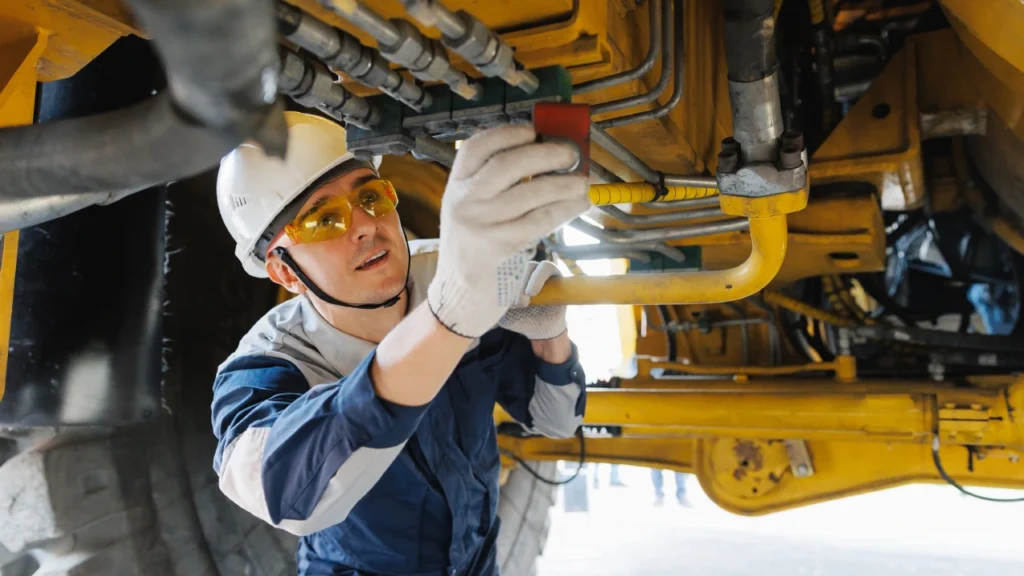
Sometimes, video calls are not enough. If you lack mechanical expertise or are buying a highly complex machine, you should hire an independent professional.
Companies offering specialized heavy equipment inspection send certified mechanics to the seller location. They plug diagnostic laptops into the machine, pull historical error codes, take fluid samples, and provide a 50-page PDF report.
This service usually costs between $400 and $800. Consider this an insurance policy. Spending $600 to verify a $200,000 combine harvester is a simple mathematical decision.
| Machine Value | Seller Trust Level | Recommended Action |
|---|---|---|
| Under $20,000 | High (Verified Dealer) | Live Video Call |
| $20,000 – $50,000 | Medium (Unknown Dealer) | Live Video + Fluid Samples |
| Over $50,000 | Low (Private Seller) | Full Third-Party Mechanic |
| Complex Machinery | Any | Full Third-Party Mechanic |
Common Mistakes Buyers Make During Remote Inspection
Even experienced buyers make errors when shifting to remote purchasing. Avoid these frequent traps that lead to financial losses.
- Relying entirely on seller photographs, which can be easily edited or taken from flattering angles
- Skipping the cold start requirement and allowing sellers to warm up problematic engines
- Ignoring the undercarriage condition, leading to massive unexpected replacement bills
- Forgetting to check basic cabin electronics like air conditioning, which costs thousands to fix
- Failing to match serial numbers on the machine to official export documents
- Underestimating repair costs and assuming local mechanic rates apply to specialized heavy machinery parts
Keep your heavy equipment inspection checklist next to you during every evaluation. Do not skip steps just because the seller seems friendly.
How Remote Inspection Fits Into Full Buying Process
Inspection is just one piece of the international trade puzzle. Finding a machine, verifying its condition, transferring funds securely, and organizing ocean freight are all interconnected steps.
In the past, buyers had to manage five different companies to complete one cross-border purchase. You needed a listing website to find the machine, a mechanic to check it, a bank to wire international funds, a trucking company to reach the port, and a freight forwarder for ocean transport.
Today, modern platforms simplify this entire workflow. When you use an integrated global marketplace, you eliminate the friction between these steps.
This is exactly how JumboBee operates. We combine global listings, seller verification, secure payments, and worldwide logistics into one seamless process. When you find a 2024 John Deere combine on JumboBee, you already know the seller is verified. You can instantly see the full cost, including equipment, shipping, and fees. If you need absolute certainty, JumboBee facilitates professional pre-sale verification services, ensuring the machine matches its description before your money changes hands.
Final Pre-Purchase Checklist for International Buyers
Before you sign the final purchase agreement and authorize a wire transfer, review this ultimate summary checklist.
- Machine specifications match exact operational requirements
- Seller identity and business history fully validated
- Comprehensive video and live evaluation completed
- Every item on your heavy equipment inspection checklist passed or accounted for in price negotiation
- Serial numbers and environmental labels confirmed for export compliance
- Total landed cost calculated, including machine price, ocean freight, customs duties, and local transport
- Clear logistics plan defined from seller yard to final destination port
If you can confidently check every box on this list, you are ready to execute a safe and profitable international transaction.
Conclusion: Remote Inspection Is Competitive Advantage, Not Limitation
The global equipment market rewards buyers who adapt to modern workflows. Relying solely on local inventory limits your business growth and forces you to pay higher prices.
Mastering heavy equipment remote inspection gives you a massive competitive advantage. It allows you to source premium machinery from the United States or Europe, verify its condition with surgical precision, and deploy it in your local market at a fraction of the cost of buying new.
By demanding structured video calls, verifying documents, and utilizing third-party mechanics when necessary, you completely neutralize the risks of cross-border trade. A thorough heavy equipment inspection is your strongest shield against bad investments.
Ready to expand your fleet without the stress of hidden fees or logistics nightmares? Explore thousands of verified machines on JumboBee. Benefit from transparent pricing, built-in global shipping, and professional verification services. Find your next machine today and trade smarter across borders.



Be the first to leave a comment
There are no replies to this post yet. Share your thoughts and help start the conversation.