


 News
News 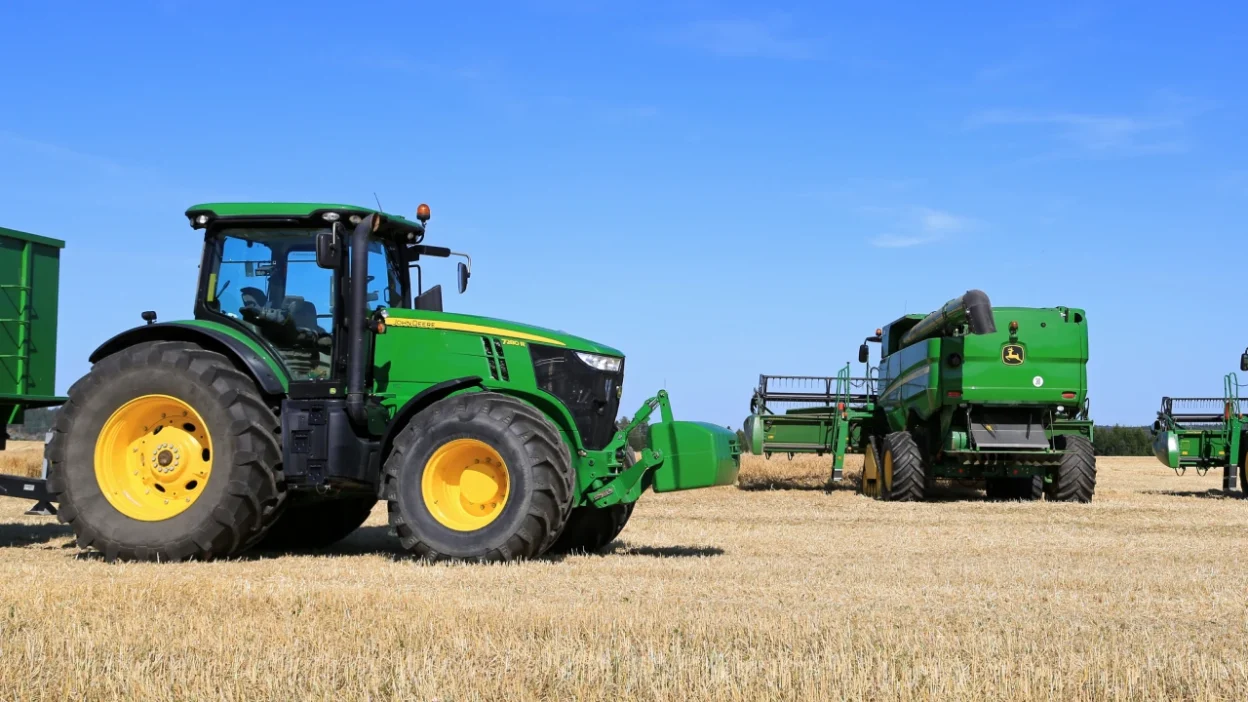
The $99 million settlement involving John Deere marks one of the most important developments in the ongoing right-to-repair debate within the heavy equipment industry.
While the case formally resolves a class-action lawsuit over repair access and costs, its implications go far beyond a single manufacturer. It highlights a structural shift in how equipment ownership, maintenance, and long-term costs are defined in today’s machinery market.
A Settlement That Reflects Growing Industry Pressure
According to Reuters, Deere agreed to establish a $99 million fund to compensate equipment owners who relied on authorized dealers for repairs since 2018. The company also committed to providing access to digital tools required for maintenance, diagnostics, and repair for at least the next 10 years.
At the same time, the settlement does not include an admission of wrongdoing, and its final approval remains subject to court review.
Beyond the financial component, the case reflects broader scrutiny of repair practices across the industry, where manufacturers increasingly manage access to software, diagnostics, and service tools.
The Core Issue: Who Controls the Equipment?
Modern agricultural machinery is no longer purely mechanical. It is deeply integrated with software systems that control performance, diagnostics, and maintenance.
This creates a critical shift in ownership dynamics.
Even after purchasing equipment, operators may encounter certain limitations in:
- accessing diagnostic systems
- performing independent repairs
- sourcing parts outside authorized networks
In a separate case, the Federal Trade Commission has alleged that such practices may influence repair costs and service flexibility in certain cases and service flexibility in certain cases.
For equipment owners, this is not just a legal issue. It is an operational one.
Why Repair Access Matters More Than Ever
Access to repair tools can directly affect three key business factors:
1. Downtime Risk
When repairs depend on authorized dealers, delays can occur due to scheduling, parts availability, or location. In industries like agriculture, where timing is critical, even short delays can lead to measurable financial losses.
2. Maintenance Costs
Limited access to independent service options often results in higher repair pricing. Over time, this significantly increases total operating expenses.
3. Operational Flexibility
Without control over diagnostics and repairs, equipment owners lose the ability to respond quickly to issues, especially in remote or international locations.
These factors make repair access a critical factor in equipment purchasing decisions.
Total Cost of Ownership Is Changing
The Deere case reinforces a growing reality:
the purchase price is no longer the primary cost driver.
Instead, buyers must consider total cost of ownership (TCO), which includes:
- repair and maintenance expenses
- downtime impact
- service availability
- long-term usability
A machine with a lower upfront cost can become more expensive over time if repair access is restricted or service networks are limited.
A Shift Toward Smarter Global Sourcing
As these risks become more visible, equipment buyers are changing their approach.
Rather than relying solely on local inventory, many are exploring global markets to:
- compare equipment across regions
- evaluate condition and service history
- assess long-term operational risks
This shift is driven by the need for better transparency and more control over purchasing decisions.
By comparing equipment across different markets, buyers can better evaluate not only price, but also long-term ownership factors such as service access, repair conditions, and overall reliability.
What Buyers Should Evaluate Before Purchasing Equipment
In the current market environment, selecting the right equipment requires a broader evaluation framework.
Key factors include:
- availability of repair tools and diagnostics
- reliance on authorized service networks
- regional service infrastructure
- equipment condition and inspection data
- total lifecycle cost
These considerations are becoming as important as horsepower, capacity, or price.
The Industry Is Entering a New Phase
The Deere settlement is part of a wider movement affecting multiple sectors, from agriculture to construction and beyond.
As machinery becomes more advanced, control over software and repair systems will remain a central point of tension between manufacturers and equipment owners.
Regulatory attention is increasing, and pressure from users is unlikely to diminish.
Final Thoughts: Ownership Is No Longer Just Physical
The $99 million settlement does not resolve the right-to-repair debate, but it clearly signals the direction of the industry.
Owning equipment today means more than having physical possession of the machine. It also means having access to the systems required to maintain and operate it effectively.
For buyers, this changes how decisions are made.
Evaluating equipment now requires looking beyond specifications and price to understand long-term risks, service limitations, and operational costs.
Those who take these factors into account will be better positioned to reduce downtime, control expenses, and build more efficient operations in an increasingly complex equipment market.
For buyers, this means taking a more strategic approach to equipment sourcing, considering not only price and specifications, but also long-term serviceability, repair access, and total cost of ownership across different markets.


Be the first to leave a comment
There are no replies to this post yet. Share your thoughts and help start the conversation.