


 Buying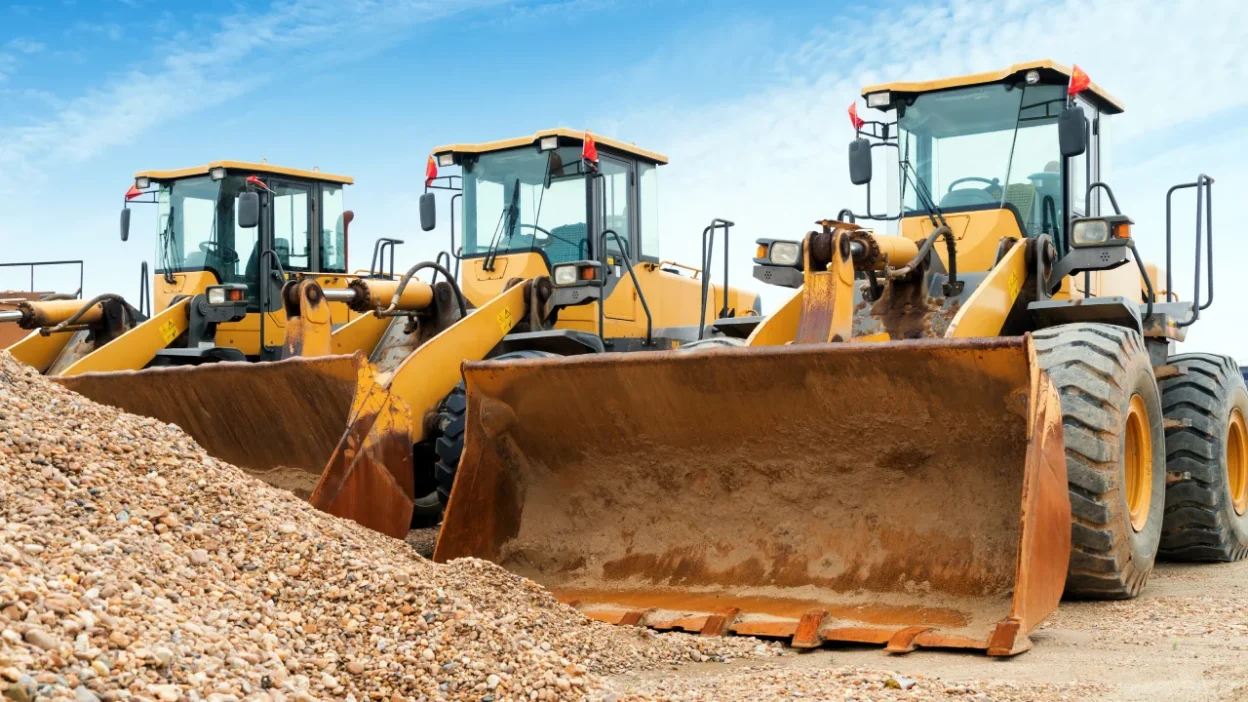
Buying used equipment on the internet is no longer a novelty—it is rapidly becoming the industry standard. From bulldozers and excavators to specialized agricultural harvesters, buyers today can source equipment worldwide without leaving their desks. The shift to online transactions offers undeniable advantages: an expanded selection, competitive pricing, and instant access to detailed specifications. At the same time, distance introduces challenges such as verifying conditions and arranging complex shipping.
This guide provides a comprehensive roadmap for purchasing both new and used heavy equipment through digital platforms. Whether you’re a construction contractor seeking a brand-new wheel loader or a farmer searching for a well-maintained second-hand tractor, the steps and safeguards outlined here will help you buy with confidence.
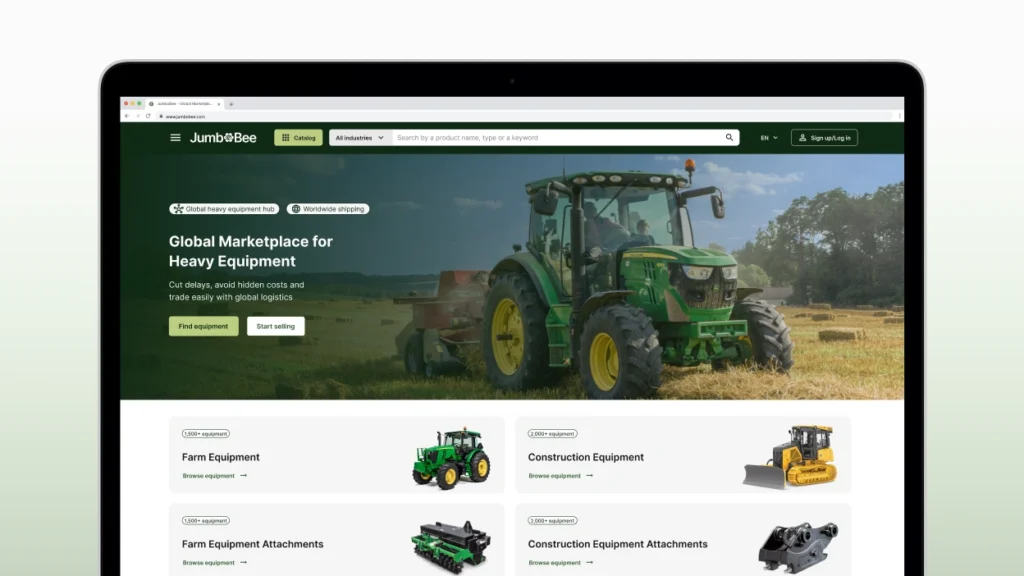
One notable marketplace leading this transition is JumboBee, a platform that aggregates verified dealers and provides secure payment tools for machinery buyers worldwide.
Why Buying Heavy Equipment Online Makes Sense
Online marketplaces deliver value on multiple fronts:
- Wider Selection: Geographic barriers disappear when you can browse inventory from dozens of regions.
- Competitive Pricing: With more listings at your fingertips, you can compare offers and negotiate better deals.
- Transparency: High-resolution photos, maintenance records, and digital inspection reports give buyers a clear picture before a single phone call.
- Time Savings: Instead of traveling to multiple dealerships or auctions, you can shortlist options within hours.
Of course, there are downsides. You can’t easily test-drive a 20-ton excavator through your browser, and shipping large equipment adds cost and complexity. The remainder of this guide explains how to capture the benefits while minimizing the risks.
How to Buy Heavy Equipment Online. Step-by-Step Guide
Buying heavy machinery is a high-value transaction that demands preparation. Follow these key stages to move from initial research to successful delivery.
Define Your Needs (type, application, new vs used)
Start with a precise description of the job your machine must perform. Determine load capacity, engine power, attachments, and technological requirements such as GPS or telematics. Decide early whether new or used equipment fits your budget and project timeline. This clarity narrows your search and prevents costly impulse decisions.
Research Platforms and Sellers
Identify reputable marketplaces, dealer websites, and auction services. Platforms like JumboBee allow buyers to filter by make, model, year, and location.

Inspect Listings Carefully
Inspect photos and descriptions. Key documents, including maintenance logs, ownership papers, and inspection certificates, are crucial for assessing value. Request additional images or videos if something seems unclear. Beware of listings with unclear specifications or stock images, as they may signal scams.
Understand Pricing and Financing Options
Heavy machinery often represents a six-figure investment, so understanding market pricing is critical. Compare similar models across multiple marketplaces to identify outliers, including both bargains and overpriced listings. Factor in shipping, import duties, and taxes when estimating your final cost.
For financing, explore multiple avenues: equipment loans from banks, specialized leasing companies, or manufacturer financing for new machinery. Some online platforms partner with lenders and provide pre-qualification tools, which can accelerate the buying process. Always read the fine print on interest rates and repayment schedules before signing.
Arrange Shipping and Logistics
Transporting a bulldozer or combine harvester is a project in itself. Start planning early:
- Freight Type: Determine whether you need a flatbed, step-deck, or specialized heavy-haul carriers.
- Permits and Insurance: Oversized loads may require state or national permits and higher insurance coverage.
- Delivery Timeline: Coordinate with the seller and the carrier to avoid costly storage or demurrage fees.
Platforms like JumboBee and specialized freight brokers can provide competitive quotes and help manage documentation.
Buying New Heavy Equipment
New machinery brings peace of mind and the latest technology. Here are the key points to consider:
Pros
Warranty Protection
Buying new equipment typically comes with full manufacturer warranties, providing strong protection against mechanical failures or defects. Many brands also include scheduled maintenance packages, software updates, and priority service—reducing downtime and long-term repair costs. This ensures predictable ownership expenses during the early years of operation.
Latest Features
New machines are equipped with the latest technology—such as fuel-efficient engines, advanced hydraulics, safety sensors, and telematics systems. These innovations help boost productivity, reduce emissions, and provide real-time data for fleet management. Features like GPS tracking, automatic load balancing, and predictive diagnostics can significantly improve operational efficiency and lower fuel and service costs.
Custom Specifications
When purchasing new equipment, buyers have the freedom to select models with the exact specifications and attachments required for their specific job sites. Whether it’s a particular bucket size, cab configuration, or control system, customization allows for optimal performance and operator comfort. This flexibility can also increase resale value, as machines tailored to high-demand configurations are often more attractive to future buyers.
Cons
Higher Upfront Cost
New heavy equipment comes with a premium price tag. In addition to the initial cost, taxes, insurance, and financing charges can add significantly to the total investment. Depreciation begins immediately after delivery, meaning the machine’s resale value will drop even if it’s lightly used. For companies with tight budgets or fluctuating workloads, this high capital outlay may not be financially practical.
Longer Lead Times
If you order custom-built machinery, it may take several months for the manufacturer to produce and deliver it. Global supply chain delays, component shortages, or shipping issues can extend lead times even further. Such delays can disrupt project schedules and force companies to rent or lease temporary equipment—adding unexpected costs and operational complexity.
Buying Used Equipment: Complete Guide
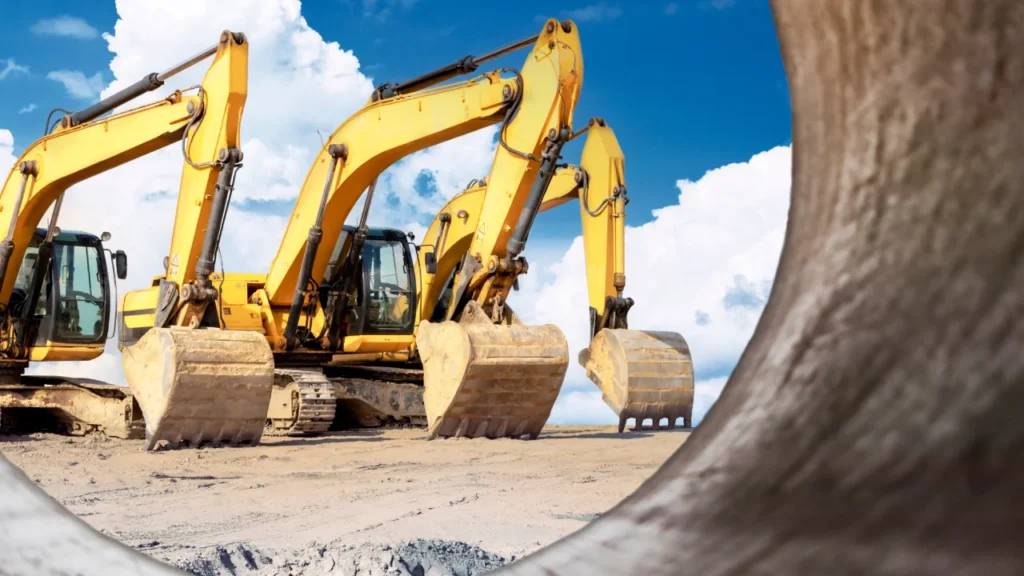
The pre-owned heavy equipment market is expanding rapidly as more buyers look for cost-effective alternatives to new machinery. From construction contractors to logistics companies and farm operators, many professionals are turning to used equipment to stretch their budgets without sacrificing quality or performance. With the right research and inspection process, buying used can be a smart, low-risk investment that delivers strong returns and operational flexibility.
Benefits of Buying Used Equipment
Lower Purchase Price:
One of the main advantages of buying used machinery is the significant cost savings. Pre-owned equipment often sells for 30–50% less than new models—sometimes even more depending on the machine’s age, condition, and brand reputation. This lower upfront cost frees up capital for other essential business expenses, such as hiring skilled operators, purchasing attachments, or investing in fuel-efficient transport solutions. For small to mid-sized companies, this can mean the difference between expanding operations and standing still.
Faster Availability
Unlike new machines that may have long production or shipping lead times, used equipment is typically ready for immediate purchase and delivery. This speed of acquisition allows buyers to start or resume projects without delay. Many online marketplaces and dealerships offer ready-to-ship units complete with maintenance records, inspection reports, and service histories. This quick turnaround is especially valuable for companies facing tight project deadlines or sudden increases in demand.
Slower Depreciation
New machinery experiences the steepest depreciation within the first few years—often losing 20–40% of its value soon after purchase. By buying used, you avoid this early drop in value. Since pre-owned equipment has already passed its major depreciation phase, its resale price tends to remain stable over time. This can be particularly beneficial if you plan to resell or trade the equipment later, as you’re likely to recover a larger percentage of your investment.
Proven Reliability
Used equipment that has been properly maintained often comes with a well-documented performance history. Service logs, inspection certificates, and maintenance records can give you a clear view of how the machine was treated and how it performs under specific conditions. In many cases, proven reliability in real-world environments can be more reassuring than new, untested technology.
Wide Selection
The used market offers a wide variety of brands, models, and configurations—many of which may no longer be available new. Whether you’re looking for a specific year, engine type, or feature set, you’re more likely to find exactly what you need without being limited by current production line options. This diversity allows buyers to balance performance needs with budget constraints effectively.
Key Inspection and Evaluation Criteria
Before committing funds, conduct a thorough inspection:
Engine and Hydraulics
Start by examining the engine carefully, as it’s the heart of any heavy machine. Check for oil or coolant leaks, abnormal engine noise, or excessive exhaust smoke—all of which may indicate underlying problems like worn seals, poor compression, or internal damage. Inspect hydraulic hoses, pumps, and cylinders for cracks, drips, or pressure inconsistencies. Smooth, quiet operation and consistent hydraulic response suggest good system health. If possible, test the equipment under load to observe power delivery and responsiveness.
Undercarriage and Tires
The undercarriage of tracked equipment (like excavators or bulldozers) is one of the most expensive components to replace. Look for uneven track wear, loose bolts, or worn sprockets and rollers. For wheeled machines, inspect the tires for cuts, sidewall damage, and uneven tread wear, which may hint at suspension or alignment issues. Since undercarriage and tire repairs can account for up to 40% of total maintenance costs, assessing these areas carefully can save thousands in future expenses.
Operating Hours
Check the hour meter to see how many hours the machine has worked and compare this with the equipment’s age and typical lifespan for its model. Machines with high hours but consistent maintenance may still perform reliably, while those with low hours and poor upkeep might pose greater risk. Cross-check the displayed hours with wear patterns on pedals, controls, and seats to ensure the meter hasn’t been tampered with.
Service Records
Request detailed service logs and maintenance documentation from the seller. A complete and verifiable maintenance history indicates that the machine was properly cared for, with timely oil changes, filter replacements, and component servicing. Look for records of major repairs or part replacements, which can reveal both the reliability of the machine and the seller’s transparency. A lack of documentation, on the other hand, should raise caution—it could mean inconsistent upkeep or concealed issues.
Additional Checks
If possible, bring a qualified mechanic or third-party inspector to evaluate the equipment before purchase. They can identify subtle warning signs that might not be visible during a casual inspection. Don’t forget to confirm the machine’s serial number and ownership documents to avoid any legal complications related to stolen or encumbered assets. Finally, consider testing the equipment in real operating conditions—this hands-on assessment is often the best indicator of true performance and reliability.
Hire an independent mechanic or third-party inspection service when possible. Many buyers also request live video walkthroughs for additional assurance.
Common Warning Signs
Red flags include inconsistent serial numbers, freshly painted parts covering welds, or sellers who refuse in-person inspection or escrow. Listings with “too good to be true” prices often are exactly that—avoid them.
Essential Questions for Sellers
- Why is the equipment being sold?
- Has it ever been involved in an accident or major repair?
- Are all attachments and accessories included?
- Can you provide maintenance and ownership documentation?
Best Practices for Safe Online Equipment Buying
High-value online purchases require careful safeguards. Following these best practices reduces risk and ensures a smooth transaction:
- Verify Seller Identity: Confirm the business’s physical address, tax registration, and contact details. On JumboBee, sellers and buyers get verified through Sumsub.
- Request Escrow or Secure Payment Options: Services such as Escrow.com hold funds until you confirm delivery, protecting both parties.
- Check Equipment Title and Liens: Make sure there are no outstanding loans or legal claims on the machine.
- Document Everything: Keep written records of all communications, contracts, and payment receipts.
- Use Trusted Marketplaces: Platforms like JumboBee, Ritchie Bros., and IronPlanet offer buyer protection programs that help resolve disputes.
Fraudsters often pressure buyers to “act fast” or pay via irreversible methods such as wire transfers without a contract. Treat urgency as a red flag and take the time needed to validate every step.
Where to Buy Heavy Equipment Online
A variety of online avenues cater to heavy-equipment buyers, each with unique advantages:
- Dedicated Marketplaces: JumboBee – Aggregates verified dealers and provides escrow services, ideal for international transactions.
- Certified Dealer Websites: Many brand dealers, such as Caterpillar, John Deere, and Komatsu, list both new and factory-certified used equipment online, often including financing options and warranties.
- Specialty Auctions: Niche platforms focus on specific sectors like agriculture or mining. These may provide rare models, but can have higher competition on bidding day.
When evaluating platforms, prioritize those offering verified seller programs, detailed inspection reports, and flexible payment methods.
Conclusion
Buying heavy equipment online is no longer experimental—it’s an efficient, data-rich process that can save time and money when approached correctly. Begin by defining your needs and comparing platforms. Decide whether new or used machinery fits your operational and budget goals. Inspect every listing thoroughly, verify seller credentials, and arrange shipping with reputable carriers.
The right preparation transforms an intimidating purchase into a manageable transaction. When you’re ready to explore inventory, visit JumboBee and other trusted marketplaces to compare equipment, request inspections, and arrange secure payment. With careful planning, you can acquire the exact machine you need—delivered safely to your worksite.



Be the first to leave a comment
There are no replies to this post yet. Share your thoughts and help start the conversation.