


 Equipment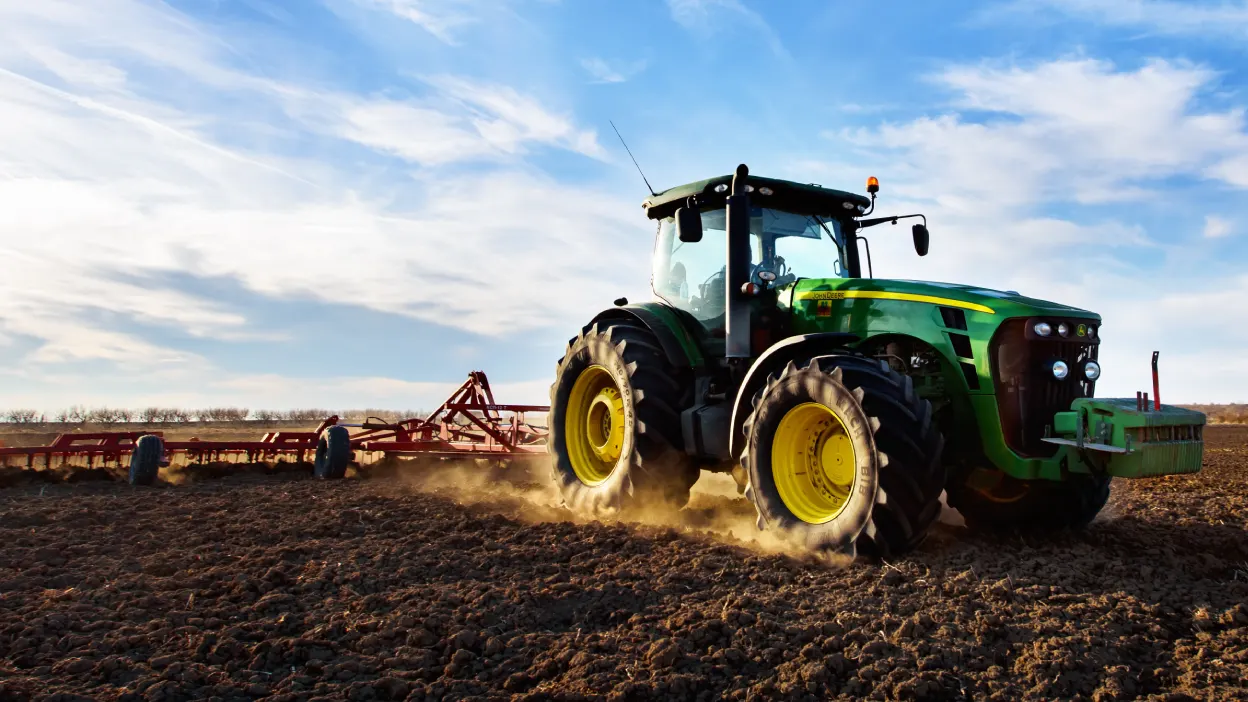
Farming is as old as civilization, but small farms today face a very modern challenge: how to do more with less. With rising input costs, climate shifts, and limited land, smallholders must be efficient, creative, and resilient. The good news? Choosing the right farm tools and equipment makes that possible.
From simple hand hoes to compact tractors with advanced attachments, the right combination of farming tools and small farm equipment saves time, reduces labor, and boosts yields.
Understanding Farm Tools and Equipment
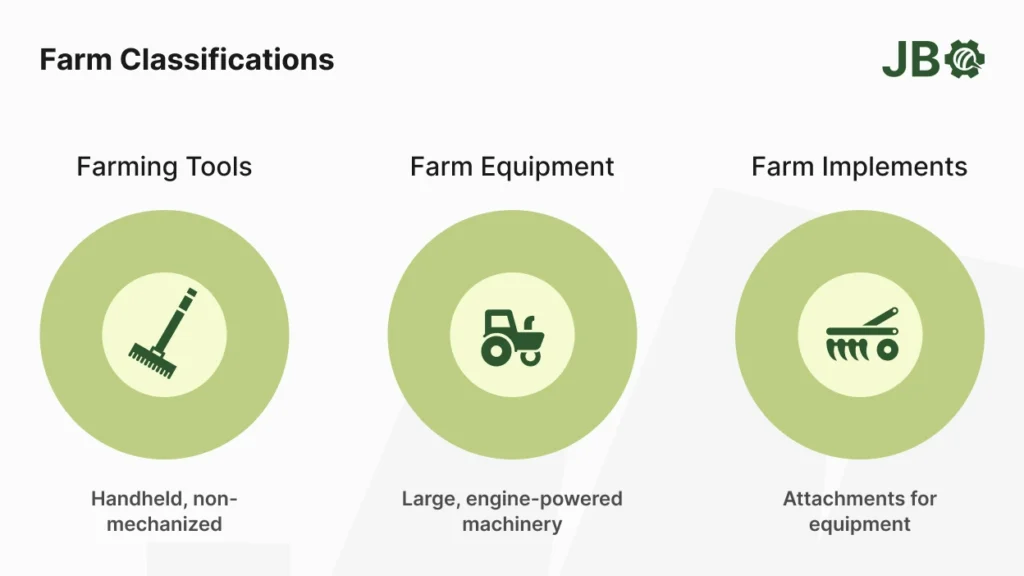
Before diving into specifics, it’s worth clarifying terms often used interchangeably:
- Farm tools: Hand-held items used daily. Examples: spades, sickles, pruning shears.
- Farm equipment: Larger, powered machinery, usually motorized. Examples: tractors, harvesters, irrigation pumps.
- Implements: Attachments that enhance equipment function. Examples: seeders, plows, potato diggers.
On small farms, the mix of these categories matters. A hoe and a hand seeder might suffice for half an acre of vegetables, but a five-acre farm likely needs at least a compact tractor and a rotary tiller.
Interestingly, many tools that farmers use today haven’t changed much in centuries — a shovel is still a shovel — but they now exist alongside GPS-enabled seed drills and solar-powered irrigation systems.
Essential Small Farm Equipment (Top Picks)
1. Tractors for Small Farms
The single most transformative piece of farming equipment is the tractor. For small farms, compact tractors (20–50 HP) provide power without overwhelming space. Mini-tractors and walk-behind tractors are ideal for vegetable plots or orchards.
Features to consider:
- Size vs. farm area: Too large, and maneuverability suffers; too small, and tasks drag on.
- Fuel efficiency: Modern models offer low emissions and hybrid options.
2. ATV/UTV
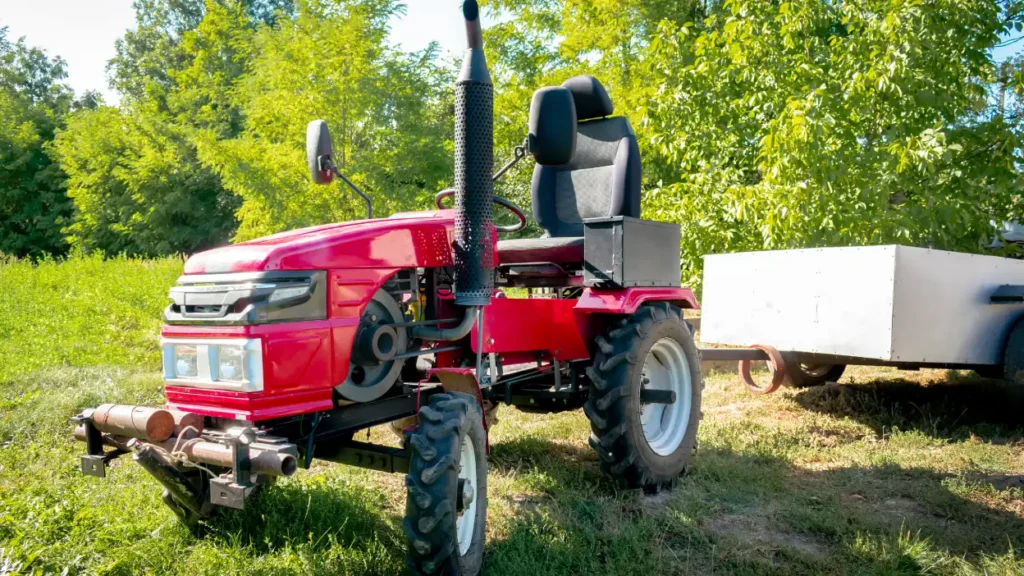
The single most versatile vehicle after the tractor on a small farm is the ATV or UTV. All-Terrain Vehicles (ATVs) and Utility Task Vehicles (UTVs) provide fast, reliable mobility across fields, trails, and rugged ground. For small farms, they are invaluable for transporting supplies, towing light equipment, checking livestock, and handling daily chores where a tractor would be excessive.
Features to consider:
- Capacity vs. tasks: ATVs are nimble and ideal for quick scouting or light hauling, while UTVs offer higher payloads, seating for multiple passengers, and enclosed storage.
- Attachments & towing: Many models support implements like small trailers, sprayers, or spreaders, making them multi-functional.
- Fuel efficiency & terrain handling: Modern ATVs/UTVs are designed for low fuel use, with 4WD options to handle mud, hills, or uneven ground effectively.
Tractor attachments
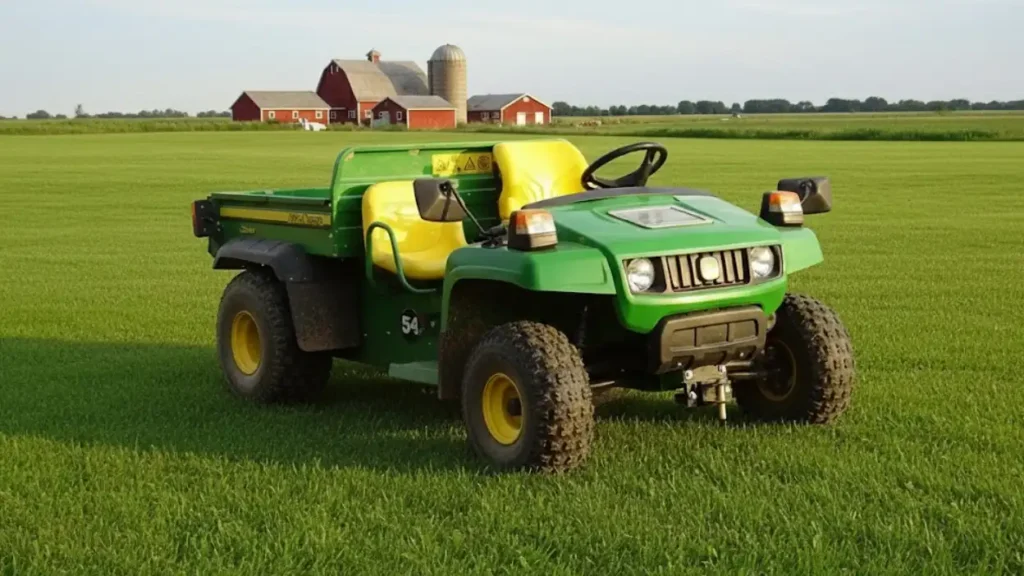
Tractor attachments are essential for maximizing the versatility and efficiency of small and mid-sized farms. While the tractor itself provides power, it is the attachments that allow farmers to perform a wide range of tasks—from soil preparation and planting to harvesting, hauling, and maintenance. Choosing the right attachments transforms a single machine into a multi-functional farm tool.
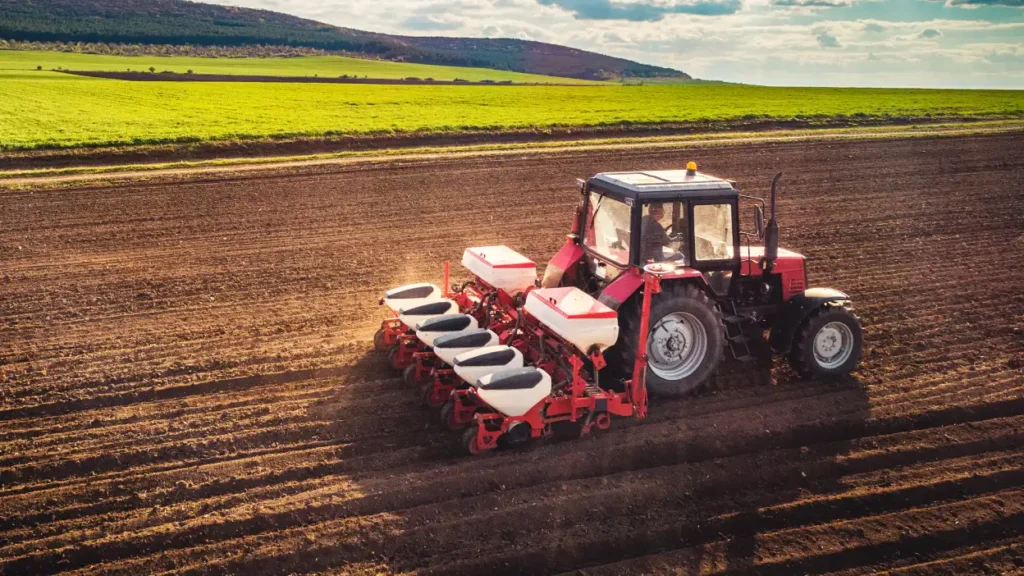
3. Seeder tractor attachments
Tractor seeders come in various types, including row crop seeders, grain drills, and multi-crop seeders, allowing farmers to plant a wide range of crops, from cereals and legumes to vegetables. Many modern seeders also feature adjustable seed rates, depth control, and fertilizer integration, enabling farmers to combine planting with soil enrichment in a single pass.
Key Features to Consider:
- Seed spacing and depth control: Adjustable settings for consistent planting.
- Tractor compatibility: Ensure the seeder matches tractor horsepower and hitch type.
- Capacity: Hopper size should suit your farm acreage and crop requirements.
- Durability: Heavy-duty construction ensures reliable performance over multiple seasons.
- Versatility: Some seeders allow simultaneous fertilizing or soil conditioning during planting.
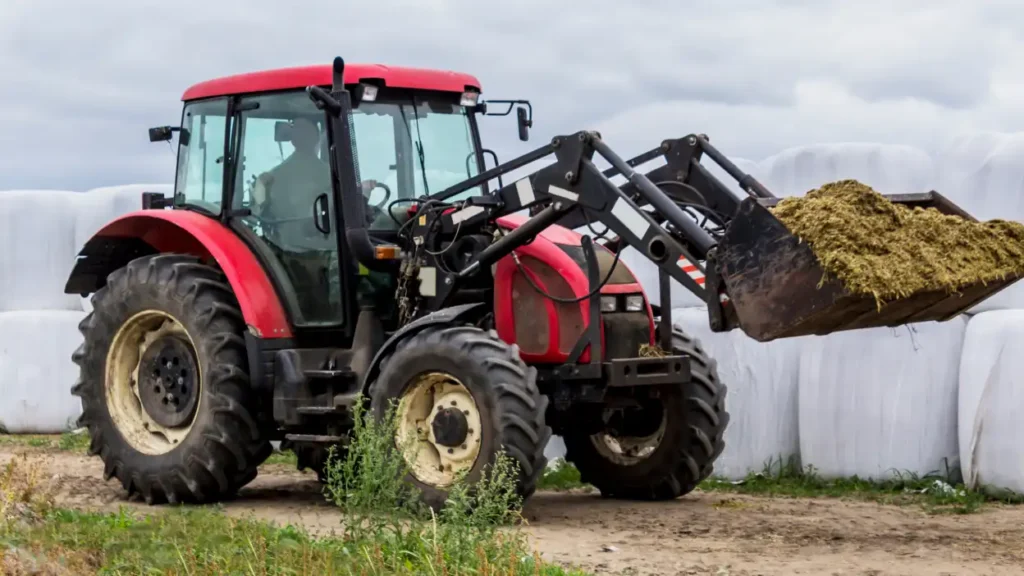
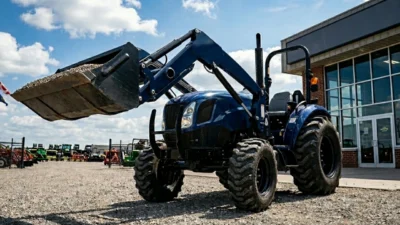
4. Loader tractor attachments
Loaders come in various types, including front-end loaders, skid-steer compatible loaders, and quick-attach systems. Many models support additional attachments like pallet forks, bale spears, and grapple buckets, expanding their functionality beyond simple loading. With a loader, farmers can complete tasks that would otherwise require multiple machines or significant manual labor.
Key Features to Consider:
- Lift capacity: Choose a loader that can handle your heaviest loads safely.
- Attachment compatibility: Quick-attach systems allow swapping buckets, forks, or grapples easily.
- Durability: Heavy-duty steel and reinforced frames withstand frequent, demanding use.
- Maneuverability: Compact designs are better suited for tight farm spaces.
- Ease of operation: Simple controls reduce training time and increase efficiency.
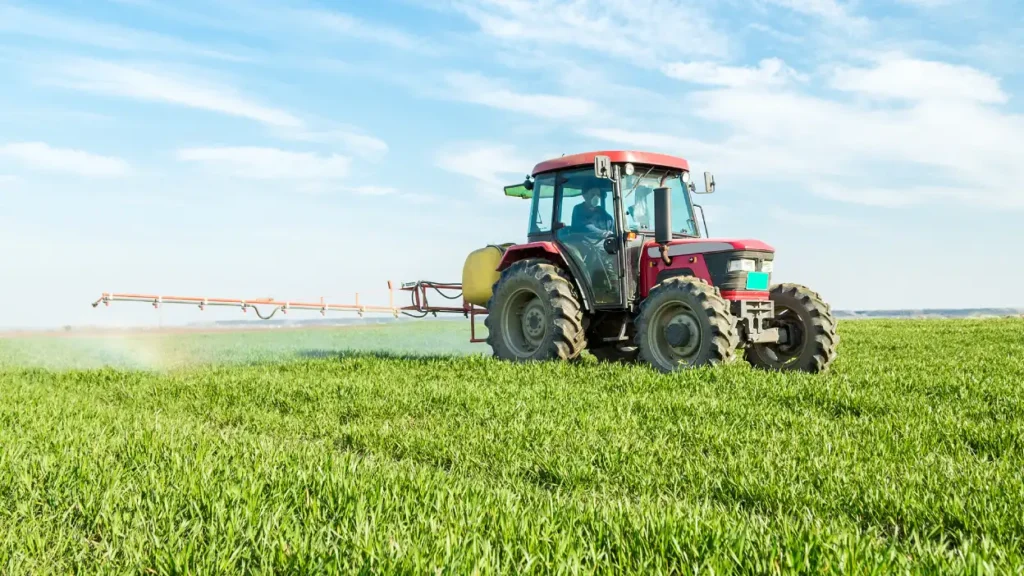
5. Sprayer tractor attachments
Common sprayer types include boom sprayers for row crops, mist blowers for orchards and vineyards, and spot sprayers for targeted applications. Many modern sprayers offer adjustable nozzles, pressure control, and GPS guidance, enabling precision farming and ensuring consistent coverage across the field. Tractor-mounted sprayers can often be combined with other implements to maximize efficiency during busy planting or treatment seasons.
Key Features to Consider:
- Tank capacity: Choose a size that balances field coverage and tractor compatibility.
- Spray type & coverage: Boom, mist, or spot sprayers, depending on crop type and field layout.
- Durability: Chemical-resistant materials protect the sprayer from corrosion.
- Ease of attachment: PTO-driven or three-point hitch designs simplify setup.
- Precision features: Adjustable nozzles, pressure regulators, and optional GPS improve efficiency.
6. Tiller tractor attachments
Tractor-mounted tillers come in a variety of types, including rotary tillers for deep soil mixing and cultivator-style tillers for lighter soil preparation between rows. Adjustable tine depth and width allow farmers to tailor tilling to different crops, soil types, and field conditions. Some models even incorporate fertilizer or compost delivery, allowing simultaneous soil enrichment during tilling.
Key Features to Consider:
- Tractor compatibility: Ensure the tiller matches tractor horsepower and hitch type.
- Tilling depth and width: Adjustable settings accommodate various crops and soil conditions.
- Durability: Heavy-duty tines and reinforced frames improve lifespan in tough soils.
- Ease of attachment: Quick-hitch systems reduce setup time.
- Versatility: Some models can till, mix in amendments, and even prepare beds for transplanting.
7. Spreader tractor attachments
Modern spreaders come in different types, including broadcast (rotary) spreaders for wide coverage and drop spreaders for precise, row-specific application. Many models are adjustable, allowing farmers to control the amount of material applied based on soil conditions, crop type, and field size. Some advanced spreaders can even integrate with GPS technology for precision farming, ensuring optimal coverage and minimal overlap.
Key Features to Consider:
- Capacity: Choose a hopper size suitable for your farm’s acreage and crop requirements.
- Application rate control: Adjustable settings allow precise distribution of seeds or fertilizers.
- Durability: Corrosion-resistant materials withstand fertilizers and outdoor conditions.
- Ease of attachment: PTO-driven or three-point hitch options make installation simple.
- Versatility: Some spreaders handle multiple materials, from seeds to soil amendments.
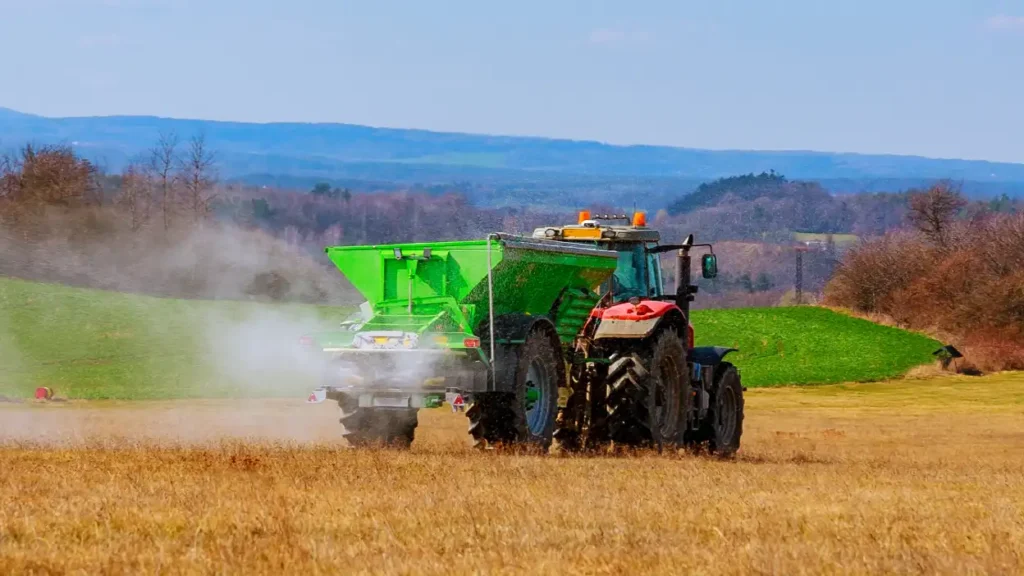
8. Backhoe tractor attachments
Tractor-mounted backhoes are typically compact yet powerful, allowing operation in tight spaces while still providing sufficient digging depth and reach for most small farm needs. Many models feature adjustable booms and extendable dipper arms, giving flexibility to handle various tasks efficiently. Quick-attach systems make switching between a backhoe and other tractor implements fast and convenient.
Key Features to Consider:
- Digging depth & reach: Match the backhoe’s capacity to the farm’s typical excavation needs.
- Tractor compatibility: Ensure the attachment fits the tractor’s horsepower and three-point hitch.
- Stability & support: Outriggers or stabilizers prevent tipping during digging.
- Bucket options: Different bucket sizes and shapes increase versatility for soil, gravel, or debris.
- Ease of operation: User-friendly controls reduce learning time and improve precision.
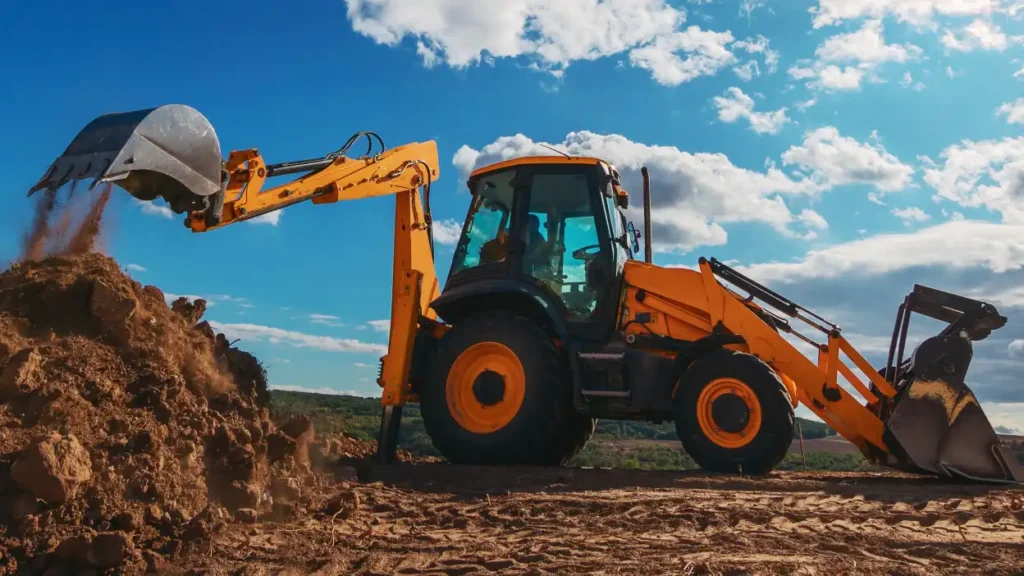
9. Rotary Sweepers / Brooms (Tractor Attachments)
These attachments feature rotating brushes powered by the tractor’s PTO or hydraulic system, with adjustable speed and angle to suit different surfaces. Many models include debris collection systems, allowing easy disposal and minimizing dust. Rotary sweepers can be used year-round for dust control, snow removal, and general cleanup, making them a practical investment for farm upkeep.
Key Features to Consider:
- Brush type and width: Choose brushes suitable for dirt, gravel, or snow removal.
- Adjustable angle and height: Ensures effective cleaning on uneven surfaces.
- Durability: Heavy-duty construction withstands frequent use and rough terrain.
- Attachment system: Quick-hitch compatibility allows easy installation and removal.
- Maintenance: Replaceable bristles and simple mechanics reduce downtime.
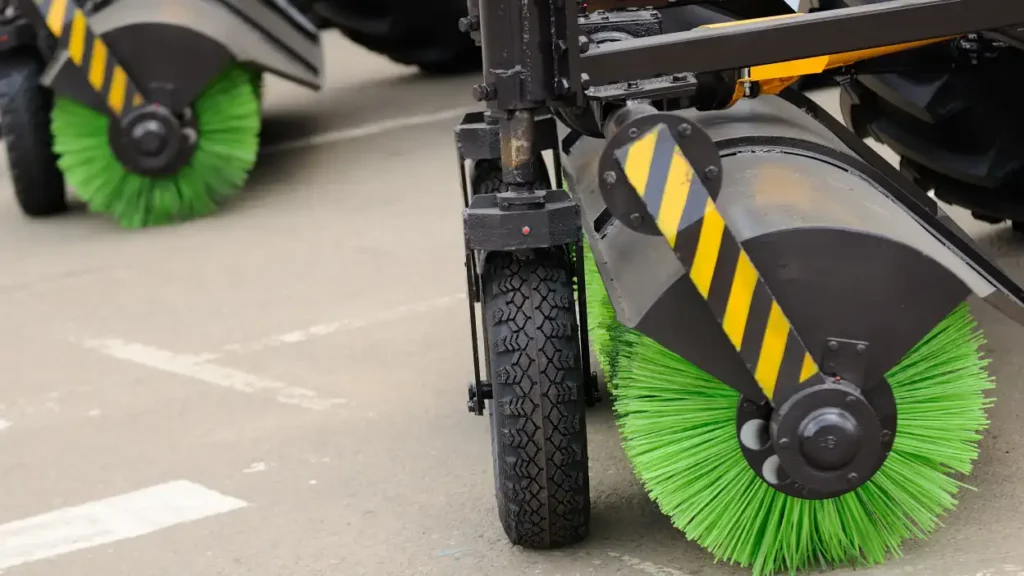
10. Plows
Plows are one of the oldest and most essential tools in farming, designed to turn and break soil for planting. Modern plows range from simple single-blade models for small farms to multi-bottom plows pulled by tractors for large-scale agriculture. They improve soil aeration, help incorporate organic matter, and create a smooth seedbed that boosts crop growth.
Key features to consider:
- Type of plow: Moldboard, chisel, or disc plows, depending on soil conditions.
- Farm size compatibility: Single or double plows for compact tractors; multi-row plows for large fields.
- Durability: Strong blades and wear-resistant materials extend equipment life.
- Adjustability: Depth and angle control for different soil types.
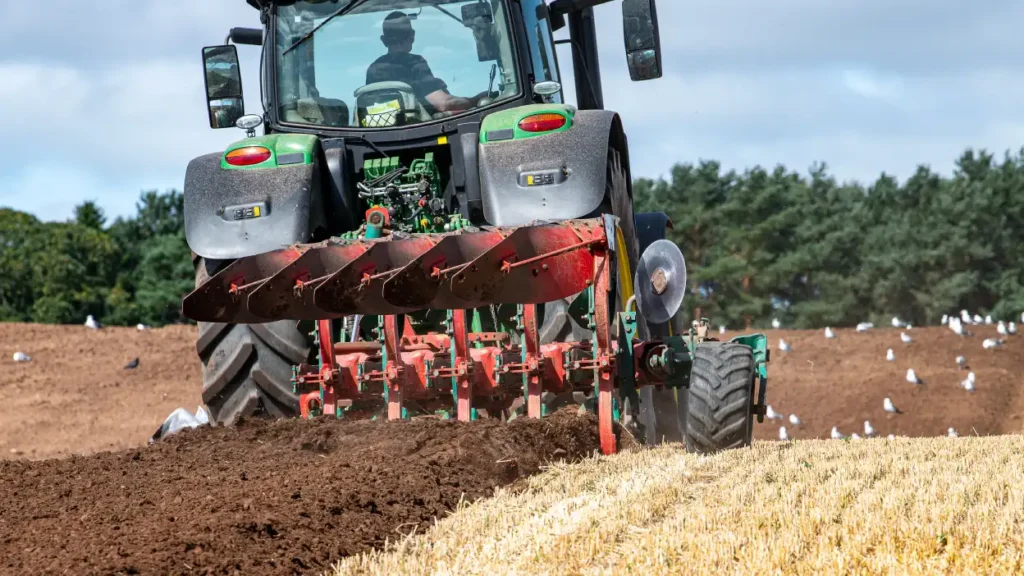
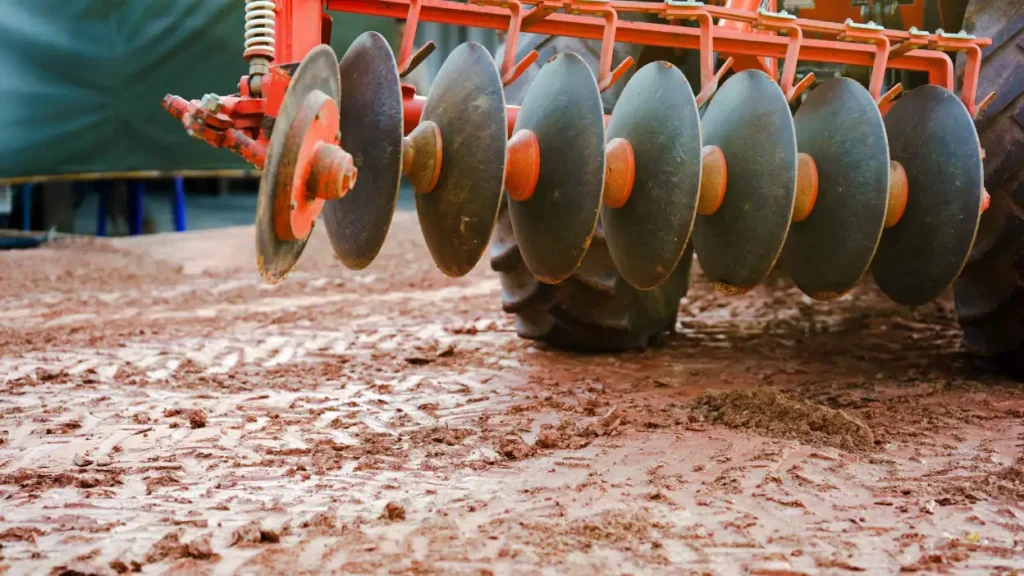
11. Harrows
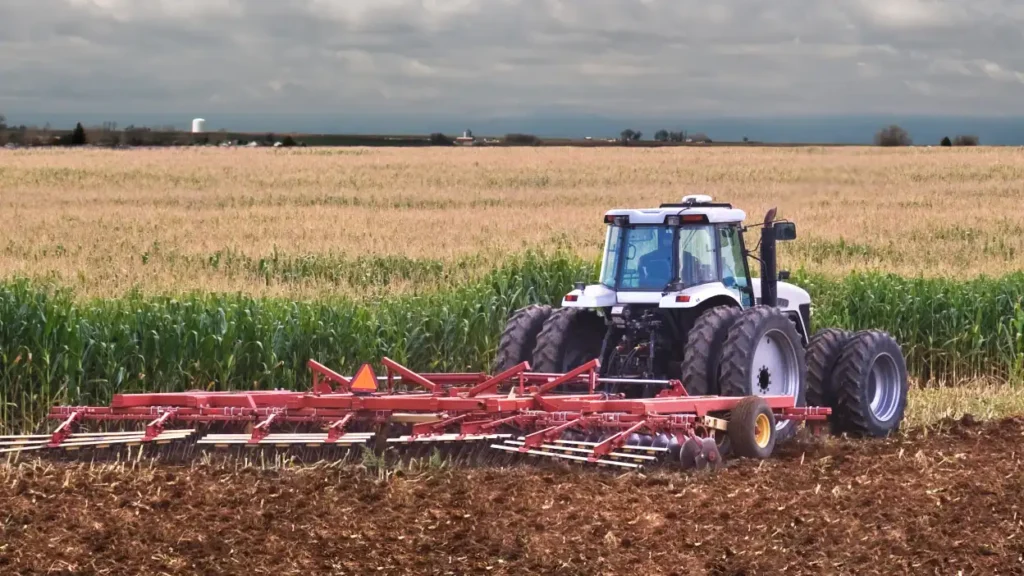
Harrows are essential soil preparation tools used to break up clods, smooth the soil surface, and prepare a fine seedbed for planting. They come in various types, including disc, tine, and chain harrows, each suited to different soil conditions and farming needs. Harrows improve soil aeration, help control weeds, and evenly distribute crop residues, making planting more efficient.
Key features to consider:
- Type of harrow: Disc harrows for heavy or compacted soil, tine harrows for lighter soils, chain harrows for pasture and residue management.
- Size and compatibility: Must match tractor power and field size for efficient operation.
- Adjustability: Depth and angle settings allow customized soil treatment.
- Durability: High-quality tines or discs resist wear and reduce maintenance.
12. Seed Drills
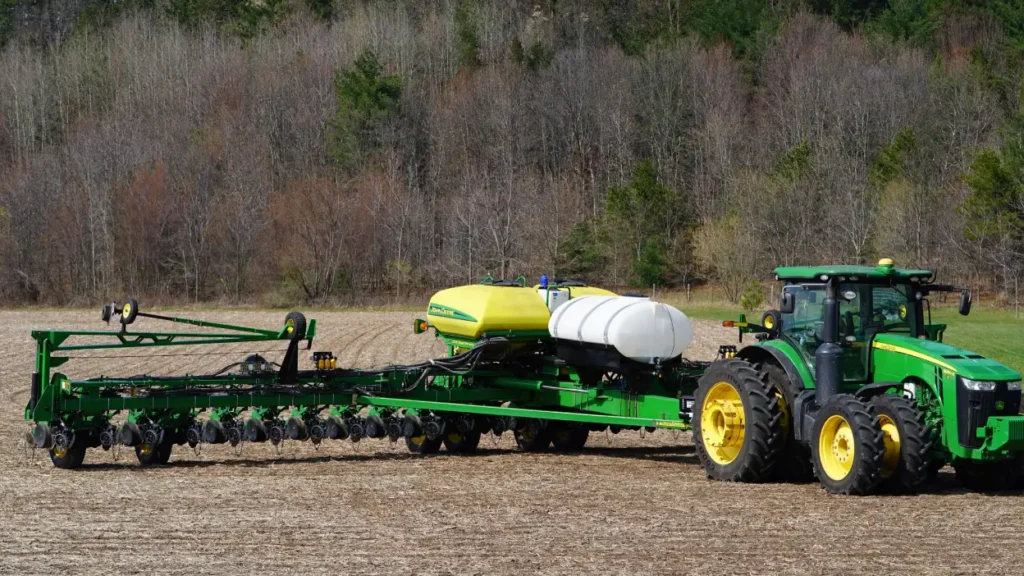
Seed drills are precision planting tools that sow seeds at consistent depths and spacing, ensuring uniform crop emergence and higher yields. They are ideal for cereals, legumes, and other row crops. Modern seed drills can be towed by tractors or mounted on smaller machines for compact farms, with adjustable settings for different seed types and soil conditions.
Key features to consider:
- Type of seed drill: Manual, mechanical, or pneumatic, depending on farm size and crop requirements.
- Seed spacing and depth control: Ensures even germination and reduces seed waste.
- Capacity: Hopper size should match the area being planted to minimize refills.
- Compatibility: Must be suitable for tractor size and field terrain.
- Maintenance: Durable components and easy cleaning improve longevity.
13. Seed planters
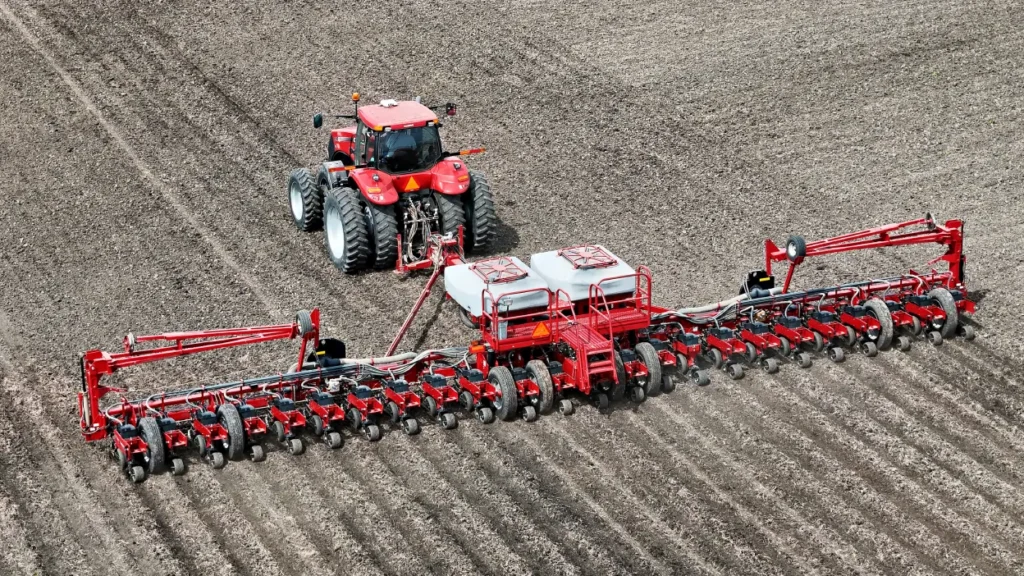
Seed planters are advanced planting tools designed to place seeds precisely in rows at a consistent depth and spacing, optimizing germination and crop yield. Unlike seed drills, planters are often used for larger seeds or row crops like corn, soybeans, and sunflowers. They save time, reduce seed waste, and ensure uniform crop emergence across large fields.
Key features to consider:
- Type of planter: Vacuum, mechanical, or pneumatic, depending on crop type and farm size.
- Row spacing and depth control: Adjustable settings allow customization for different crops.
- Seed capacity: Hopper size and refill frequency impact efficiency on large fields.
- Compatibility: Should match tractor power and field conditions.
- Durability and maintenance: High-quality parts and easy servicing reduce downtime.
14. Water pump(s)
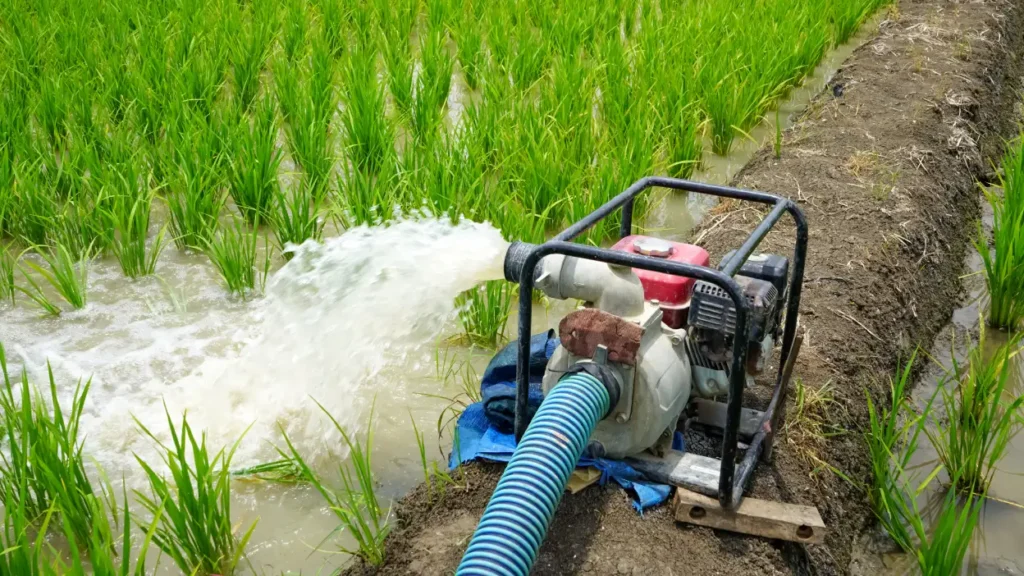
Water pumps come in several types suited to different needs: centrifugal pumps are common for moving large volumes of water quickly, submersible pumps are designed for wells and deep sources, while solar-powered pumps offer sustainable solutions for remote areas with limited access to electricity.
Key Features to Consider:
- Flow rate & pressure: Determines how much water can be delivered and how far it can travel.
- Power source: Options include electric, fuel-powered, or solar, depending on farm location and resources.
- Durability: Stainless steel and corrosion-resistant materials are best for long-term use.
- Portability: Small portable pumps are useful for temporary irrigation or emergency drainage.
- Maintenance requirements: Easy-to-service pumps reduce downtime and costs.
15. Irrigation systems
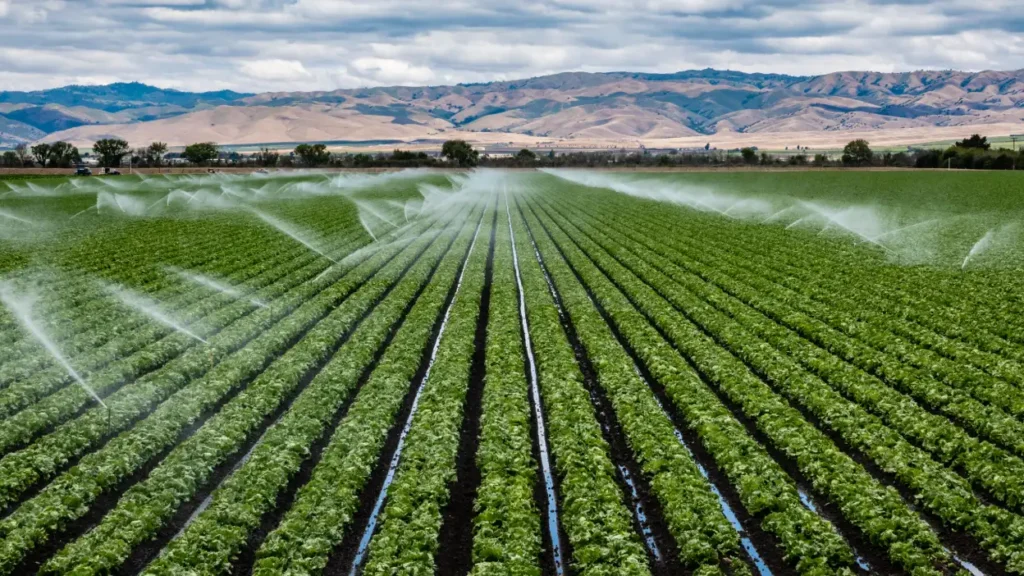
For small-scale farms, drip irrigation is especially effective—it minimizes evaporation, conserves water, and supports uniform plant growth. Sprinkler systems are versatile for covering larger areas or pastures, while flood or furrow irrigation may still be practical in certain traditional settings. Increasingly, farmers are turning to automated systems with timers, moisture sensors, or even solar-powered pumps, making irrigation more sustainable and labor-efficient.
Key Features to Consider:
- Water source & pressure: Ensure the system matches the farm’s well, pump, or reservoir capacity.
- Crop type & layout: Drip systems suit row crops and orchards; sprinklers cover open fields and pastures.
- Efficiency: Choose systems that minimize evaporation and runoff while maximizing root-zone delivery.
- Scalability: Modular designs allow expansion as the farm grows.
- Automation options: Timers, valves, and sensors save labor and improve precision.
16. Rainwater catchment/storage tanks
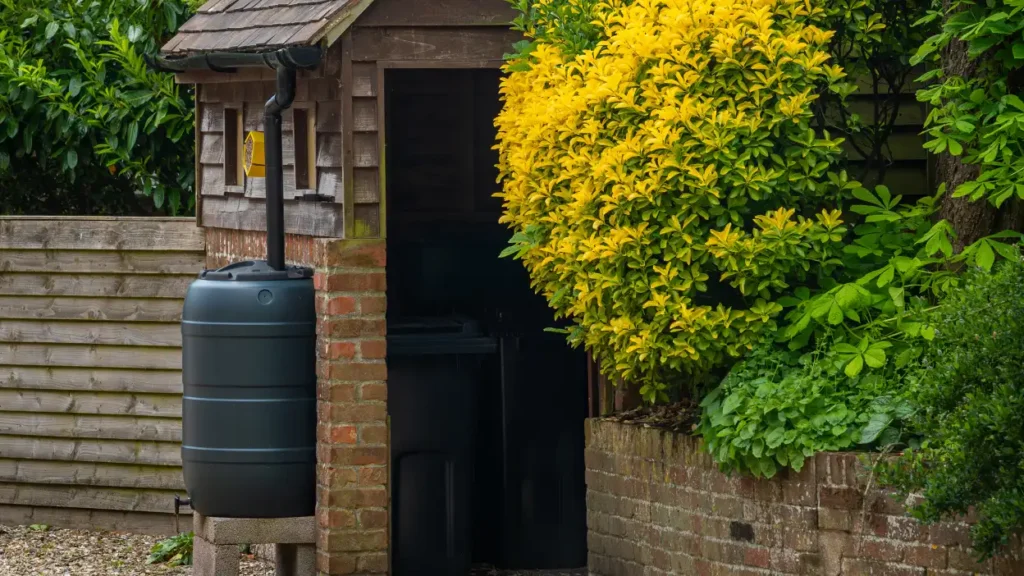
Storage tanks come in a range of sizes and materials—plastic, fiberglass, or galvanized steel—and can be installed above ground or underground, depending on space and climate. Many farms integrate tanks with filtration systems to improve water quality for crop use or livestock consumption.
Key Features to Consider:
- Capacity: Choose a tank size that matches farm water demand and local rainfall patterns.
- Material & durability: UV-resistant plastics or coated steel extend lifespan in outdoor conditions.
- Placement: Elevated tanks allow gravity-fed irrigation, while underground tanks save space.
- Filtration & overflow systems: Protects water quality and prevents tank damage during heavy rains.
- Expandability: Modular designs allow farmers to increase capacity as needs grow.
17. Solar pumps
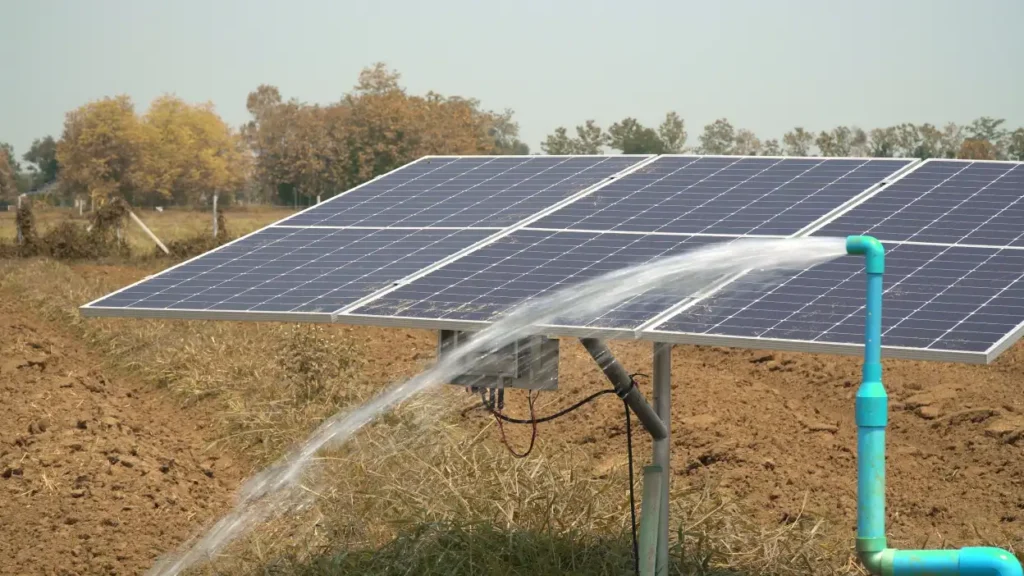
Unlike traditional pumps, solar pumps operate with minimal running costs once installed, making them a long-term investment that pays off in both savings and environmental benefits. They are available in both surface pumps (for shallow water sources) and submersible pumps (for deeper wells), giving farmers flexibility based on their water supply.
Key Features to Consider:
- Pump type & depth: Surface vs. submersible, depending on water source.
- Flow rate & capacity: Ensure the pump meets irrigation or livestock needs.
- Panel efficiency: High-quality solar panels provide consistent performance even in low-light conditions.
- Battery storage options: Some systems include batteries to pump during cloudy days or at night.
- Durability & maintenance: Weather-resistant materials and simple designs minimize upkeep.
18. Post Hole Diggers
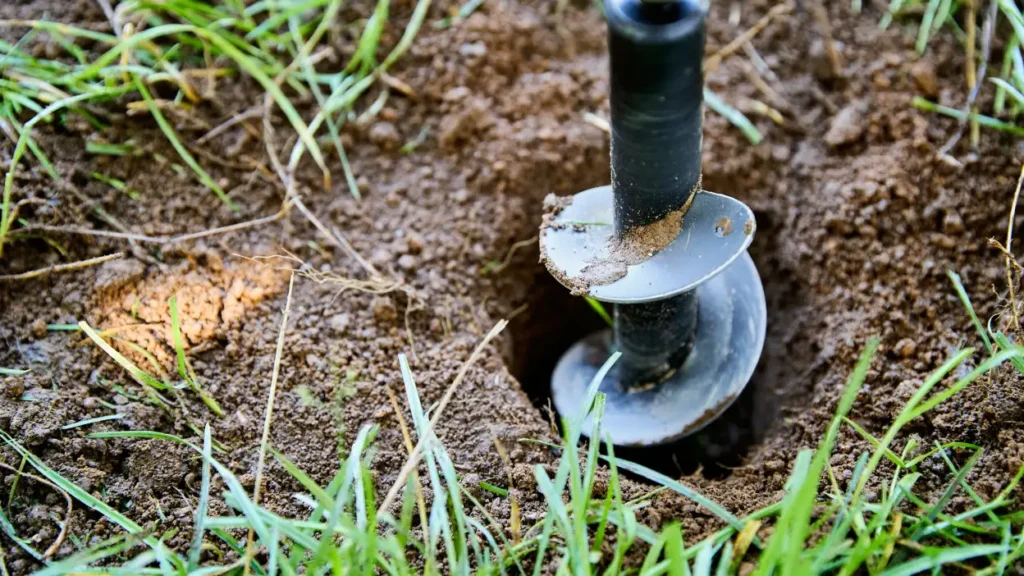
There are two main types: manual post hole diggers (ideal for light work and smaller farms) and tractor-mounted augers (suited for larger operations and harder soils). Tractor-mounted post hole diggers use a powered auger to bore holes efficiently, even in compact or rocky ground. Many models also feature interchangeable auger bits of different diameters, allowing flexibility for various post sizes.
Key Features to Consider:
- Power source: Manual diggers are inexpensive but labor-intensive; tractor-mounted augers are faster and handle tougher soils.
- Auger size and depth capacity: Choose based on the size of posts and the soil conditions on your farm.
- Durability: Heavy-duty steel augers withstand rocky or clay soils better than lighter models.
- Ease of attachment: Quick-hitch compatibility saves time when switching between tractor implements.
- Safety features: Shear bolts or slip clutches protect the auger and tractor from damage if it hits rocks or roots.
Harvesting Equipment
Manual harvesting works for small plots, but it’s slow and labor-intensive. Small-scale harvesting equipment bridges the gap.
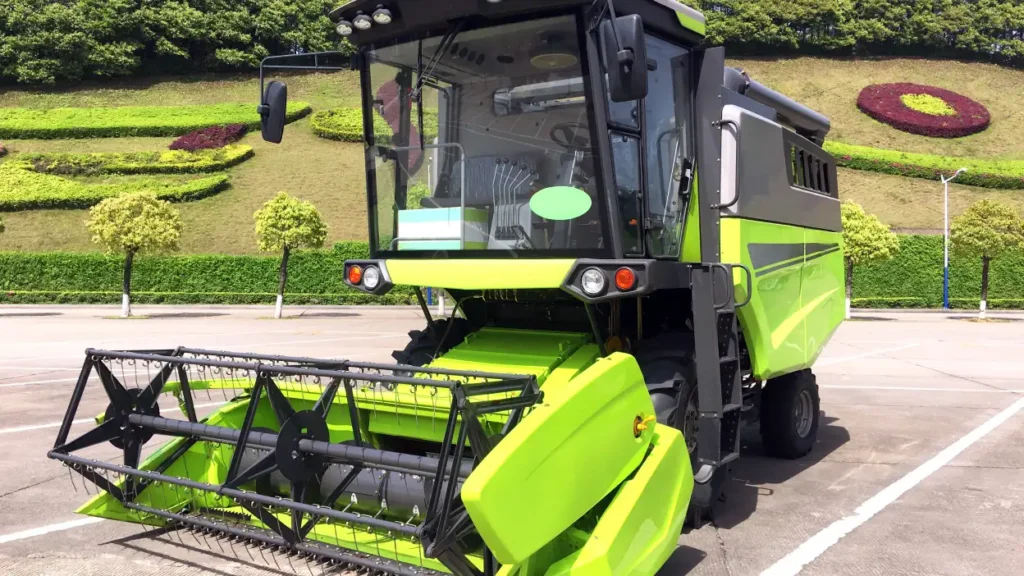
19. Mini-combines
Mini combines are compact harvesters designed to give small and mid-sized farms the same core benefits of a full-size combine—cutting, threshing, and cleaning grain in one pass—but at a scale that matches smaller fields and budgets. They save time, reduce harvest losses, and ease dependence on manual labor, making them a smart investment for farms cultivating cereals like rice, wheat, barley, or soybeans.
Features to consider:
- Capacity vs. farm size: Choose a combine that matches your acreage. Too large, and costs outweigh benefits; too small, and harvesting becomes inefficient.
- Terrain adaptability: Lightweight models handle terraces, muddy soils, and narrow plots better than heavy equipment.
- Fuel efficiency: Look for modern, low-emission engines that balance power with operating costs.
- Grain handling system: Options include bagging units or onboard grain tanks—pick the setup that fits your workflow.
- Maintenance & serviceability: Simpler designs with accessible parts are easier to repair on-farm, lowering downtime.
- Attachments & crop flexibility: Some mini combines can be adapted for multiple cereals or specialty crops, increasing year-round utility.
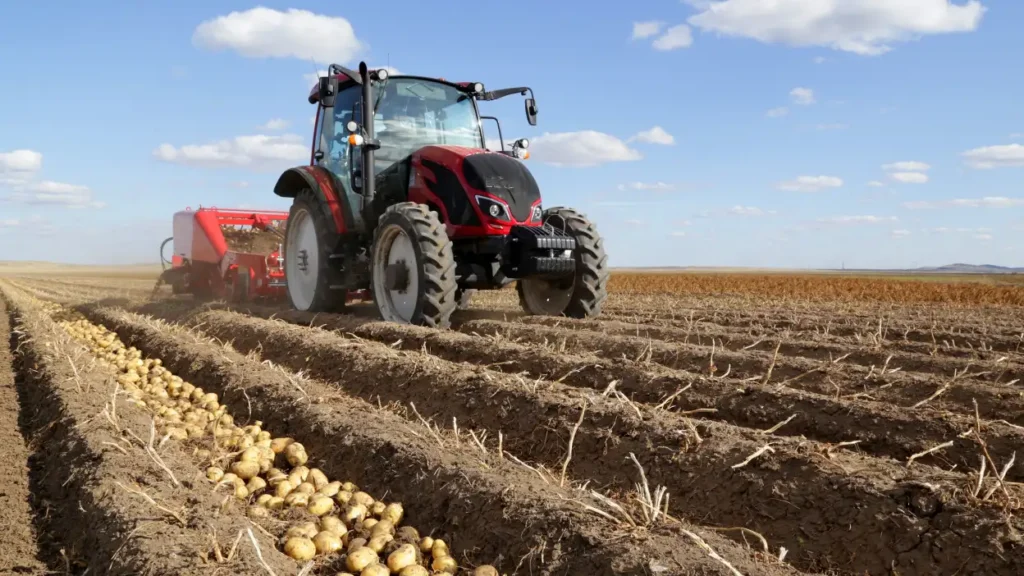
20. Potato diggers
Potato diggers are specialized tractor attachments designed to lift potatoes from the soil efficiently while minimizing crop damage. Unlike manual harvesting, which is labor-intensive and time-consuming, potato diggers streamline the process by loosening the soil and gently elevating tubers onto the surface for easy collection. This not only saves hours of work but also reduces post-harvest losses caused by bruising or cutting.
Features to consider:
- Size and compatibility: Match the digger width to your tractor horsepower and field size.
- Soil type adaptability: Vibrating diggers perform better in heavier soils, while simpler models suffice for lighter soils.
- Crop protection: Look for designs that minimize tuber damage during lifting.
- Ease of collection: Conveyor or shaker models reduce cleaning and sorting time after harvest.
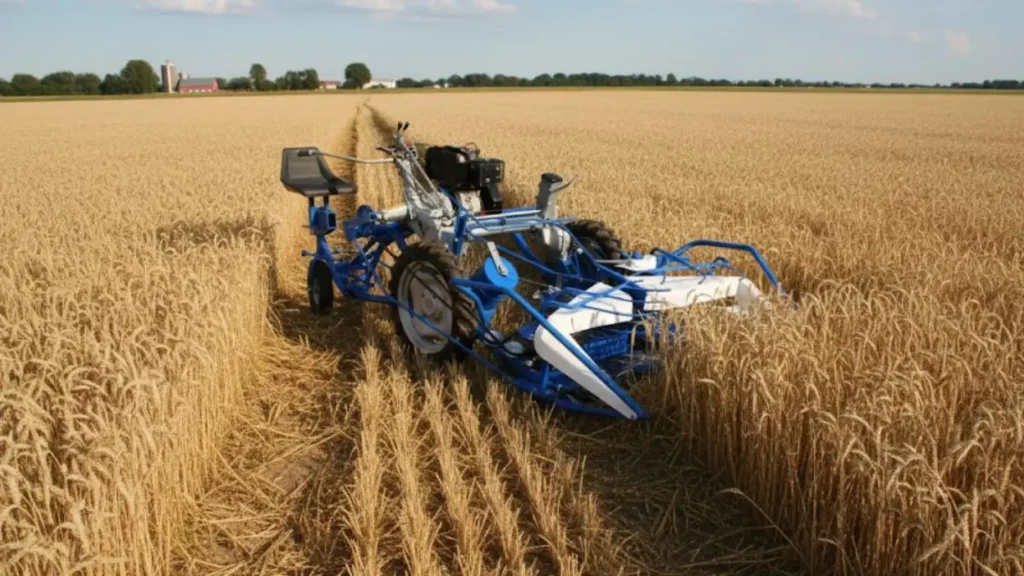
21. Reaper-binders
Reaper-binders are specialized harvesting machines that cut and bind cereal crops such as wheat, oats, barley, and rice in a single pass. Traditionally, reaping and bundling were done manually with sickles and twine, which required large amounts of labor and time. Reaper-binders mechanize this process, allowing farmers to harvest quickly and prepare sheaves for drying or threshing with far less effort.
Features to consider:
- Crop compatibility: Choose a model that handles your main cereals (wheat, rice, barley, millet).
- Size and horsepower needs: Match the machine’s width and power requirements to your tractor capacity and farm scale.
- Binding mechanism: Look for durable knotters or binding systems that create tight, consistent bundles.
- Ease of handling: Machines with adjustable cutting heights and simple controls improve versatility across different field conditions.
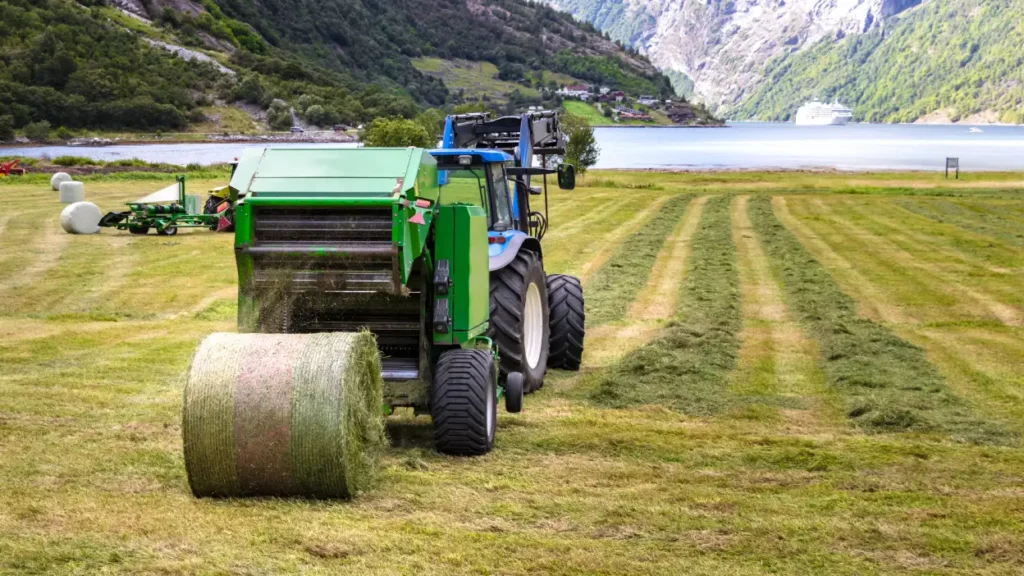
22. Balers
Balers and mowers are essential tools for modern farming, helping farmers efficiently manage forage and crop harvesting. Mowers cut grass, hay, or crops quickly and uniformly, while balers compress the cut material into manageable bales for storage or transport. Together, they save time, reduce labor, and ensure high-quality feed for livestock.
Key Points:
- Time-saving: Reduce manual labor significantly.
- Feed quality: Preserve nutrients by properly cutting and baling.
- Versatility: Suitable for hay, straw, silage, and other forage crops.
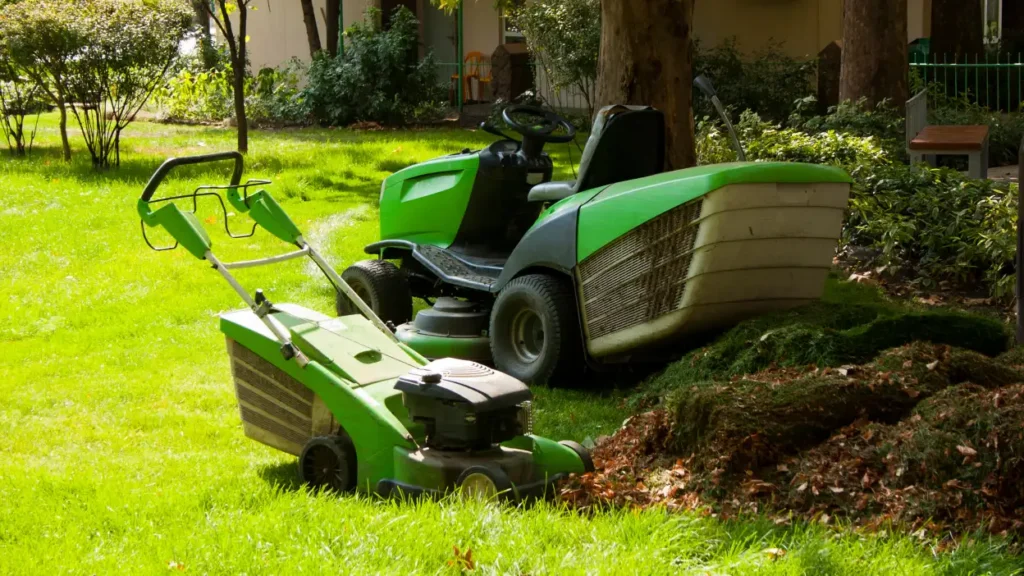
23. Mowers
Mowers are essential implements for cutting grass, hay, or cover crops efficiently, helping maintain pastures and prepare forage for livestock. They range from small, tractor-mounted models for compact farms to large self-propelled machines for extensive fields. Modern mowers can handle uneven terrain and varying crop types, ensuring clean, uniform cuts that promote regrowth.
Key features to consider:
- Type of mower: Rotary, flail, sickle-bar, or disc mowers, depending on crop and terrain.
- Cutting width: Wider mowers cover more area per pass, improving efficiency.
- Adjustability: Cutting height and angle settings allow optimal results for different crops.
- Durability: Strong blades and wear-resistant components reduce maintenance.
- Power source: Tractor-mounted, self-propelled, or PTO-driven options depending on farm size.
24. Transport Attachments and Carts
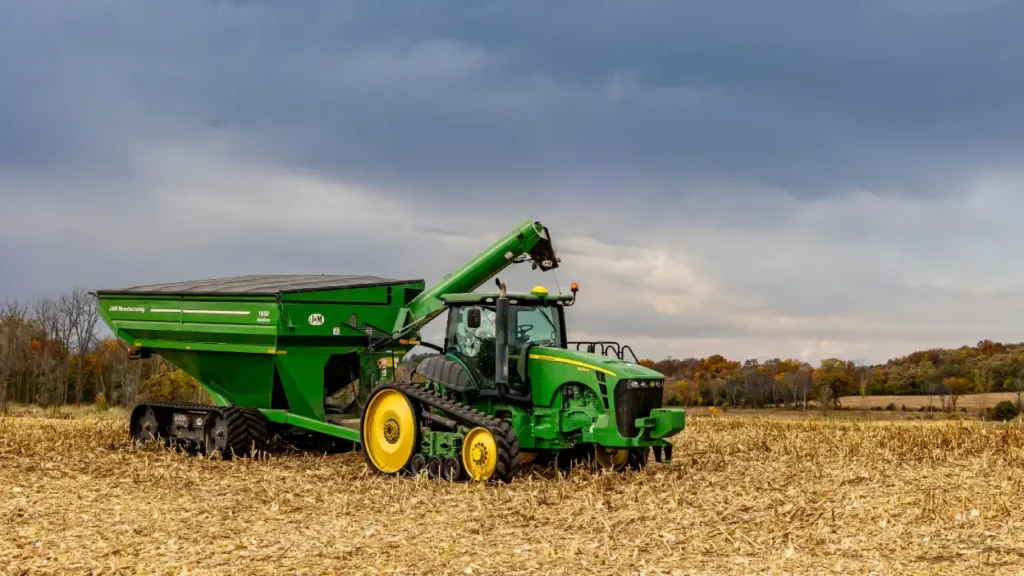
Transport attachments and carts are vital for moving materials, crops, and equipment around a farm efficiently. They reduce manual labor, save time, and improve overall productivity. Designed to attach to tractors or ATVs, these tools handle heavy loads, uneven terrain, and bulk materials with ease. Reliable transport solutions ensure that farming operations run smoothly and safely.
Key Points:
- Versatile: Can carry crops, feed, tools, and equipment.
- Time-saving: Reduce manual handling and increase efficiency.
- Durable: Built to withstand heavy loads and rough terrain.
- Compatible: Designed to attach to tractors, ATVs, or other farm vehicles.
- Safety: Provide stable transport for materials across the farm.
25. Greenhouse/hoop house/tunnels
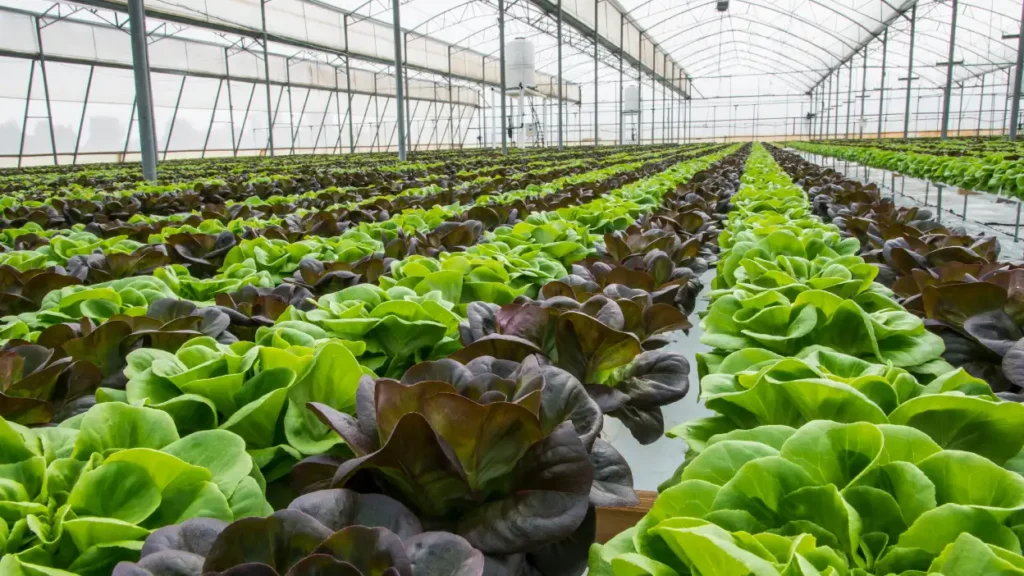
Protecting crops from harsh weather and extending the growing season are priorities for many small farmers, and that’s where greenhouses, hoop houses, and high/low tunnels come in. These structures create a controlled environment that shields plants from frost, heavy rains, strong winds, and pests, while also allowing farmers to grow earlier in spring and later into the fall. For high-value crops like vegetables, herbs, and flowers, they can be a game-changer in both yield and profitability.
- Structure type: Greenhouse for year-round growing, hoop house for extended seasons, low tunnel for crop protection.
- Durability: Frame material (steel, aluminum, or PVC) and cover quality affect lifespan.
- Ventilation & airflow: Essential to prevent overheating and disease buildup.
- Climate control: Heating, shading, or irrigation systems increase productivity but add cost.
- Scalability: Modular or expandable designs allow farmers to start small and grow capacity over time.
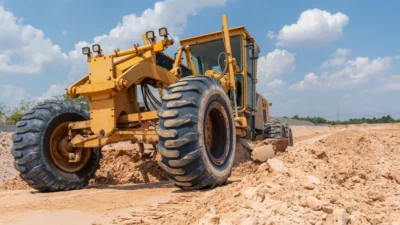
26. Box Blades / Graders
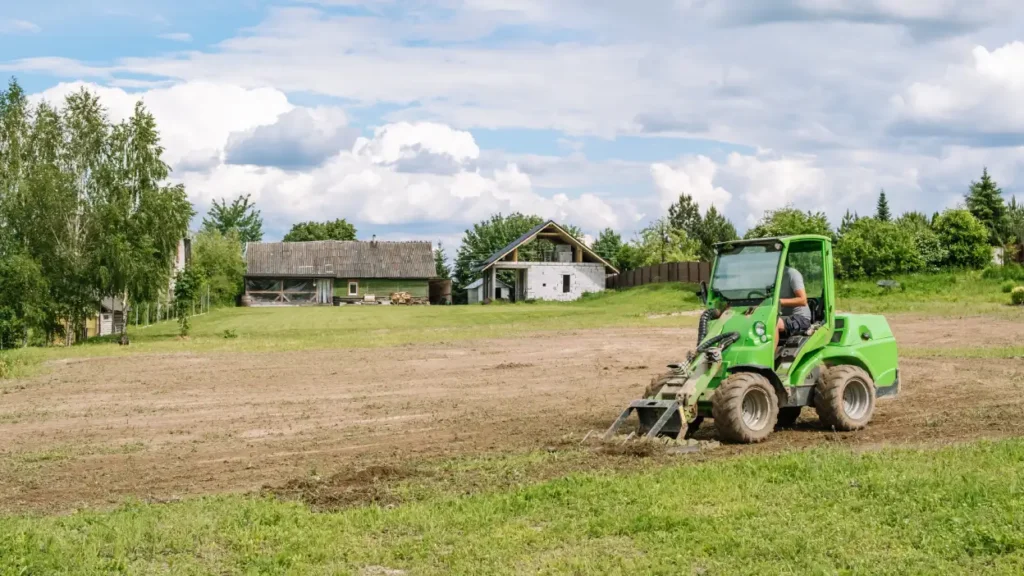
Box blades feature a hardened steel cutting edge and adjustable scarifiers, which allow them to break up compacted soil and move material precisely. Graders, often angled or adjustable, are ideal for shaping and smoothing surfaces for drainage or road maintenance. Many models are compatible with three-point hitch systems, making them easy to attach and operate with small to medium tractors.
Key Features to Consider:
- Width and weight: Determines how much material can be moved per pass and how it handles different terrains.
- Adjustable scarifiers/rippers: Break up hard soil or compacted areas for better grading.
- Durability: Heavy-duty steel ensures long-lasting performance in tough conditions.
- Ease of attachment: Three-point hitch compatibility allows quick installation and removal.
- Versatility: Suitable for road maintenance, field leveling, and spreading gravel or compost.
Must-Have Farm Tools for Small-Scale Farmers
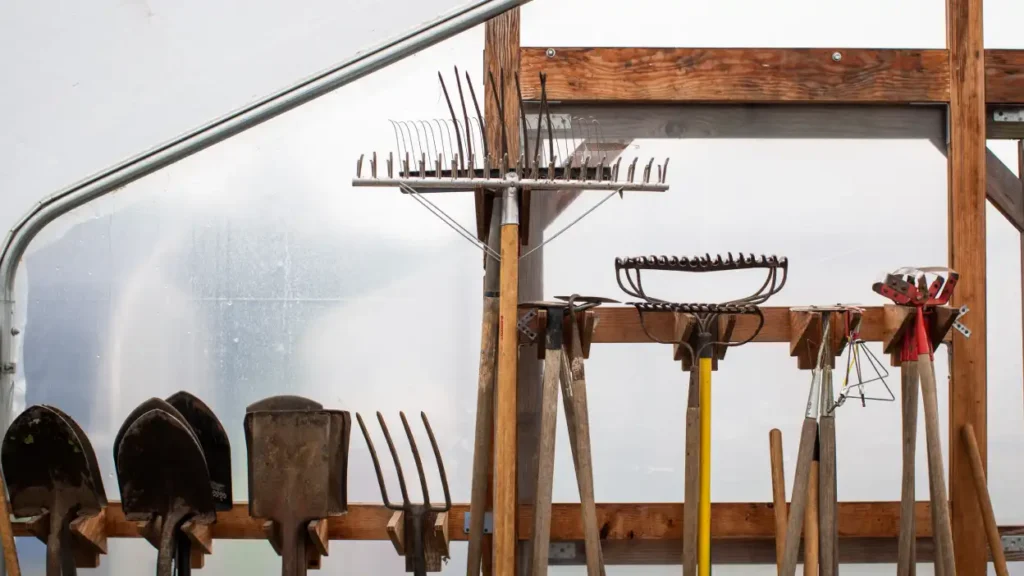
27. Hand Tools Every Farmer Uses
Even in the age of drones and AI, shovels, forks, rakes, and wheelbarrows remain essential. Their simplicity, low cost, and durability make them staples.
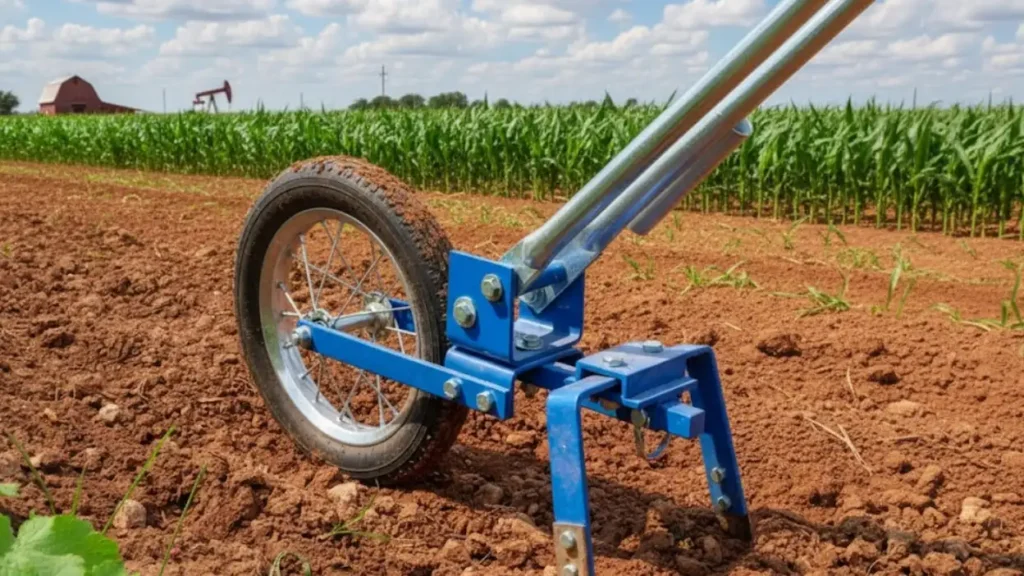
28. Weeding and Cultivation Tools
Weeds compete with crops for nutrients and water. Tools like hoes, wheel hoes, and hori-hori knives allow targeted weeding without chemicals.
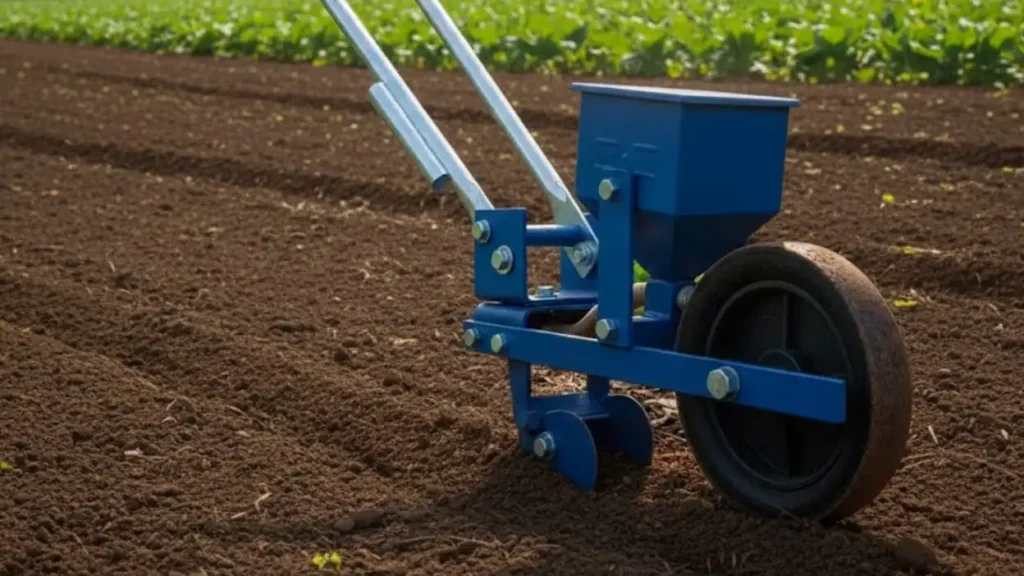
29. Planting and Seeding Tools
From dibblers marking holes to hand seeders scattering evenly, planting tools help farmers sow quickly and accurately.
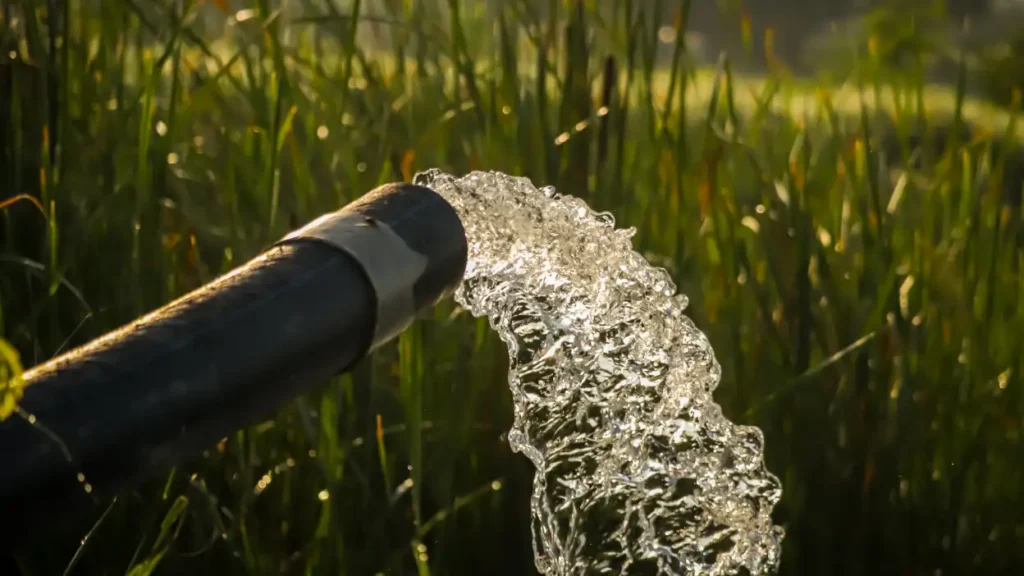
30. Irrigation and Watering Tools
Even with pumps, watering cans and hoses remain relevant for seedlings and greenhouses.
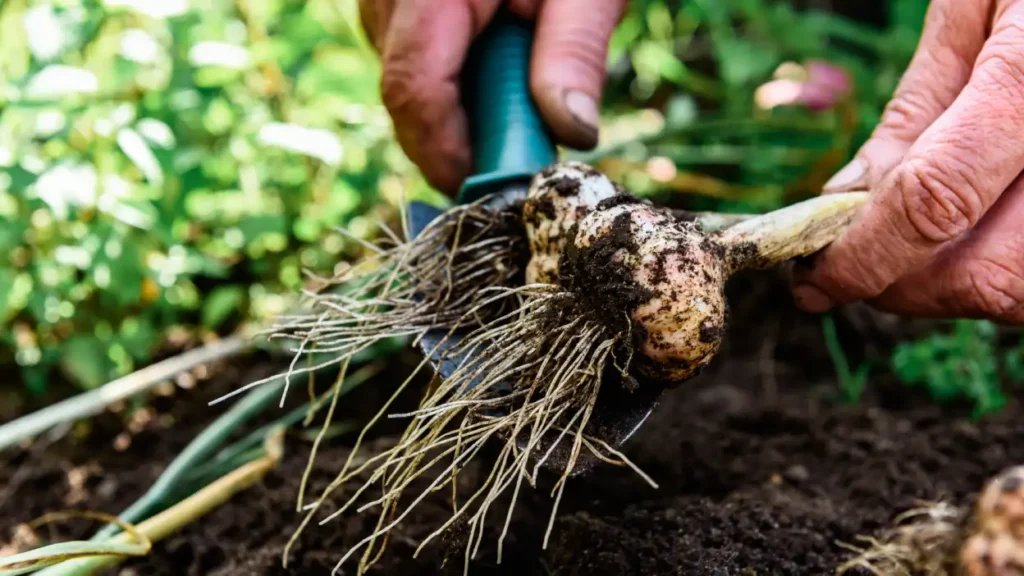
31. Harvesting Hand Tools
For delicate crops like herbs or fruits, nothing beats a sharp sickle, pruning shear, or harvest knife. They minimize damage and preserve quality.
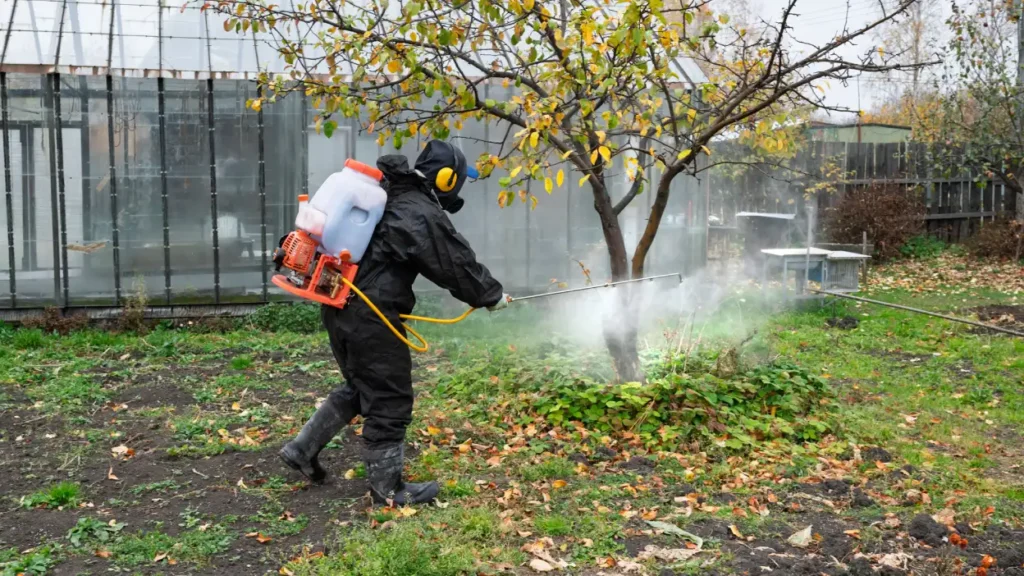
32. Sprayer (backpack)
Backpack sprayers are compact and portable tools designed for applying liquid fertilizers, herbicides, and pesticides on small-scale farms, gardens, or orchards.
Farm Implements and Attachments for Small Farms
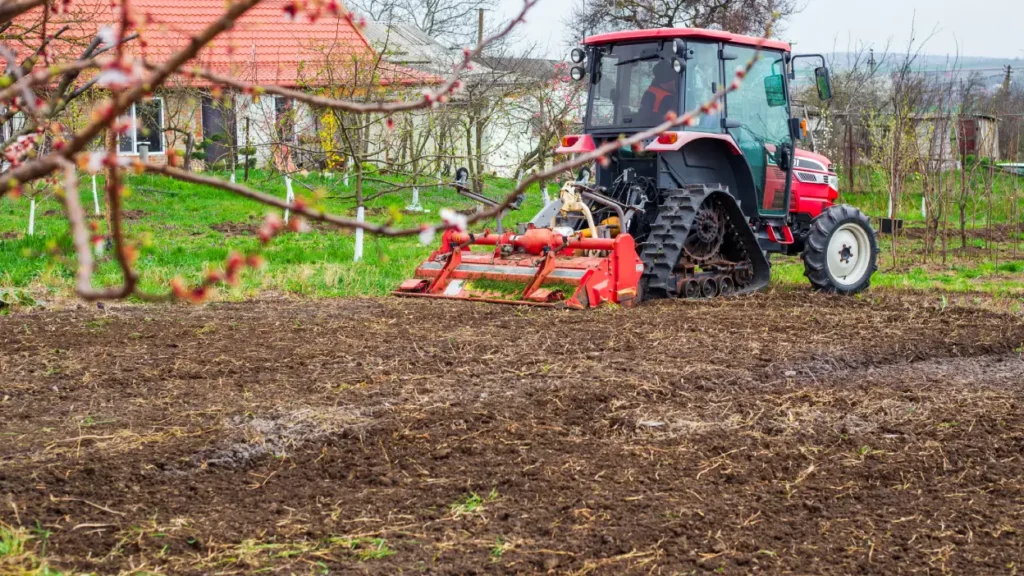
33. Soil Preparation Implements
Soil preparation implements are essential for creating optimal growing conditions for crops. They help break up, loosen, and level the soil, improving aeration, water retention, and nutrient distribution. By preparing the soil effectively, these tools increase crop yields and reduce the effort required for planting. Farmers rely on them to ensure consistent, healthy growth across their fields.
Key Points:
- Plows and Harrows: Break up and level soil for planting.
- Rotavators and Tillers: Loosen soil to improve aeration and nutrient absorption.
- Seedbed Preparation: Creates smooth, even surfaces for planting.
- Efficiency: Reduces manual labor and speeds up field preparation.
- Soil Health: Enhances water retention and nutrient distribution.
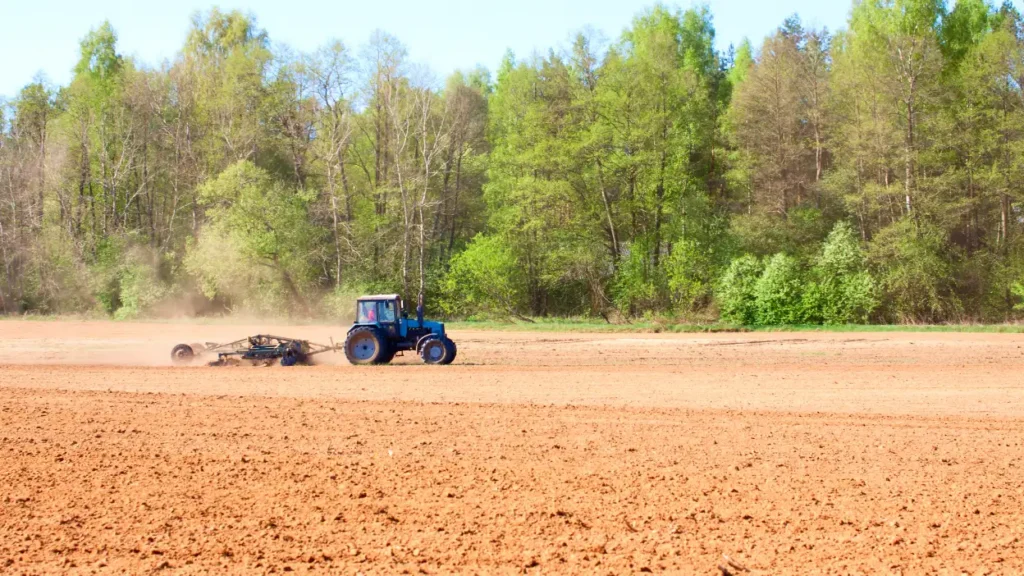
34. Planting and Crop Care Implements
Planting and crop care implements help farmers sow seeds accurately and maintain healthy crops throughout the growing season. These tools improve planting efficiency, ensure uniform seed spacing, and support irrigation, fertilization, and pest control. By using the right implements, farmers can boost crop yields, reduce labor, and protect their investment in the field.
Key Points:
- Seeders and Planters: Ensure precise and uniform seed placement.
- Fertilizer Spreaders: Distribute nutrients evenly for optimal growth.
- Sprayers: Apply water, pesticides, or herbicides efficiently.
- Weeders and Cultivators: Control weeds and aerate soil.
- Efficiency and Yield: Reduce labor while improving crop productivity.
35. Harvest and Post-Harvest Implements
Harvest and post-harvest implements are designed to efficiently gather, process, and store crops after they mature. These tools help reduce crop losses, save labor, and ensure that produce maintains its quality from the field to storage. By streamlining harvesting and handling, farmers can increase productivity and protect their investment.
Key Points:
- Harvesters and Combines: Collect crops quickly and efficiently.
- Threshers: Separate grains or seeds from stalks.
- Post-Harvest Processing: Tools for cleaning, sorting, and packaging produce.
- Storage Solutions: Carts, bins, and silos for safe crop storage.
- Efficiency and Quality: Minimize losses while maintaining product quality.
How to Choose the Right Farm Tools and Equipment
When deciding between basic farm tools and equipment or advanced machinery, farmers should consider:
- Farm size – A half-acre needs hand tools; a 10-acre plot needs mechanization.
- Main crops – Root crops need diggers; grains need harvesters.
- Budget – Start small, reinvest profits.
- Labor availability – Fewer hands mean higher reliance on machines.
Quick Reference Table – Small Farm Tools and Equipment Overview
Category | Examples | Main Use |
Soil Prep | Plows, harrows, rototillers | Breaking and aerating soil |
Planting | Seed drills, dibblers, hand seeders | Accurate sowing and spacing |
Irrigation | Drip kits, portable pumps, hoses | Water distribution and conservation |
Weeding & Cultivation | Hoes, hori-hori knives, wheel hoes | Weed removal and soil aeration |
Harvesting | Mini harvesters, knives, sickles, balers | Efficient crop collection and processing |
Transport | Carts, trailers, and loaders | Moving crops, soil, and supplies |
Maintenance and Longevity Tips
Proper maintenance ensures farm tools last for decades and equipment delivers consistent performance. Key practices include:
Sharpening and Cutting
- Keep knives, sickles, and pruning shears sharp. Dull blades damage plants and increase labor.
- Use sharpening stones or mechanical sharpeners regularly.
Lubrication and Moving Parts
- Tractor parts, rotary tillers, and pumps need oiling or greasing per manufacturer recommendations.
- Prevents corrosion and reduces friction, saving energy and fuel.
Cleaning and Storage
- Clean tools after each use to remove soil, sap, or fertilizer.
- Store in dry, ventilated areas to prevent rust or mold.
- Hang hand tools on walls; keep small implements in labeled containers.
Seasonal Checks
- Before planting season, inspect seed drills, irrigation pumps, and tractors for wear.
- Replace worn belts, hoses, or tines to avoid breakdowns mid-season.
- Winterize equipment in colder climates: drain water from pumps and lubricate exposed metal.
Budget and Sourcing Tips
Acquiring the right tools and equipment is one thing; doing so within budget is another.
Budgeting Strategy
- Start with essentials: Hand tools, wheelbarrows, and small seeders.
- Upgrade gradually: Add irrigation pumps, rototillers, or a mini-tractor as your farm grows.
- Plan for attachments: Buying a tractor capable of using multiple implements reduces long-term costs.
Sourcing Options
- Local dealers – Offer immediate service, spare parts, and demonstrations.
- Farmer cooperatives – Bulk buying reduces cost; sharing equipment is common.
- Online marketplaces like JumboBee – Compare models, read reviews, check delivery options, and ensure transparent pricing.
Sustainability and Eco-Friendly Practices
Modern small farms increasingly integrate sustainable practices:
Solar-Powered Tools
- Solar pumps reduce diesel costs and carbon emissions.
- Small solar panels can run drip irrigation systems, even in remote areas.
Organic and Low-Impact Equipment
- Manual or battery-operated cultivators reduce fuel consumption.
- Compost spreaders recycle farm waste without chemicals.
Precision Farming for Small Farms
- Soil sensors measure moisture and nutrient levels.
- Smart irrigation systems deliver water only where and when it’s needed, saving resources.
Case Studies – Real-World Applications
Vegetable Farm (2 Acres)
- Tools used: Hand hoes, wheelbarrows, dibblers, and drip irrigation.
- Equipment: Walk-behind tractor with seed drill.
- Outcome: Labor reduced by 60%, precise planting improved yields, and sustainable irrigation reduced water costs.
Grain Farm (10 Acres)
- Tools used: Sickles for manual harvesting in tight areas.
- Equipment: Mini-combine, rotary tiller, disc plow.
- Outcome: Harvest efficiency improved; fewer workers needed; post-harvest losses decreased.
Orchard (5 Acres)
- Tools used: Pruning shears, small ladders, and hand sprayers.
- Equipment: Compact tractor with fertilizer spreader and mini sprayer attachment.
- Outcome: Healthier trees, precise fertilization, reduced labor for pest control.
How to Integrate Tools, Equipment, and Implements
Step 1: Evaluate Farm Needs
- List main crops and operations.
- Identify labor bottlenecks: planting, watering, and harvesting.
Step 2: Prioritize Investments
- Essential tools first (hoes, knives, watering cans).
- Next, small mechanized equipment (walk-behind tractor, seed drill).
- Then, advanced implements and attachments for efficiency.
Step 3: Maintain Flexibility
- Equipment with multiple attachments adapts to different crops and seasons.
- Small hand tools are irreplaceable for delicate tasks.
Conclusion
Small farms thrive when farmers combine traditional farm tools with modern small farm equipment. Proper selection, maintenance, and integration increase efficiency, reduce labor, and improve yield.
- Start with essential hand tools.
- Invest in mechanized equipment as farm size and income grow.
- Consider sustainability: solar pumps, smart irrigation, and eco-friendly machinery.
- Use trusted marketplaces like JumboBee to source equipment reliably.
With the right combination of tools, equipment, and implements, small farmers can achieve professional results while keeping costs manageable and operations sustainable.


Be the first to leave a comment
There are no replies to this post yet. Share your thoughts and help start the conversation.