


 Trends
Introduction
Heavy equipment — covering construction machinery such as bulldozers, excavators, graders, and loaders, along with agricultural machinery like tractors and harvesters — plays a central role in infrastructure and food security.
The United States is a leading exporter of this category, driven by global brands such as Caterpillar, John Deere, Case, and AGCO. Import demand reflects the pace of infrastructure development, urbanization, mining expansion, and agricultural modernization.
Over the last five years, imports of U.S. heavy equipment have shifted strongly toward emerging markets, where industrialization and megaprojects require advanced machinery.
Global trade context
- The global construction equipment market exceeded 200 billion in 2025, forecasted to surpass $363 billion by 2032 (According to Grand View Research).
- Agricultural machinery adds another $159 billion annually (According to Mordor Intelligence), as food demand and mechanization accelerate.
- The United States ranks among the top three global exporters of heavy machinery, alongside Germany and China. (According to data from The Observatory of Economic Complexity).
- Emerging Asia and the Middle East dominate growth: rising urban populations, megaprojects, and mining expansion are fueling machinery imports.
While European markets remain important, growth is relatively flat. The dynamism lies in developing economies, which explains the rapid increase in U.S. heavy equipment exports to Vietnam, India, Saudi Arabia, Brazil, and Indonesia.
Country analyses
1. Vietnam
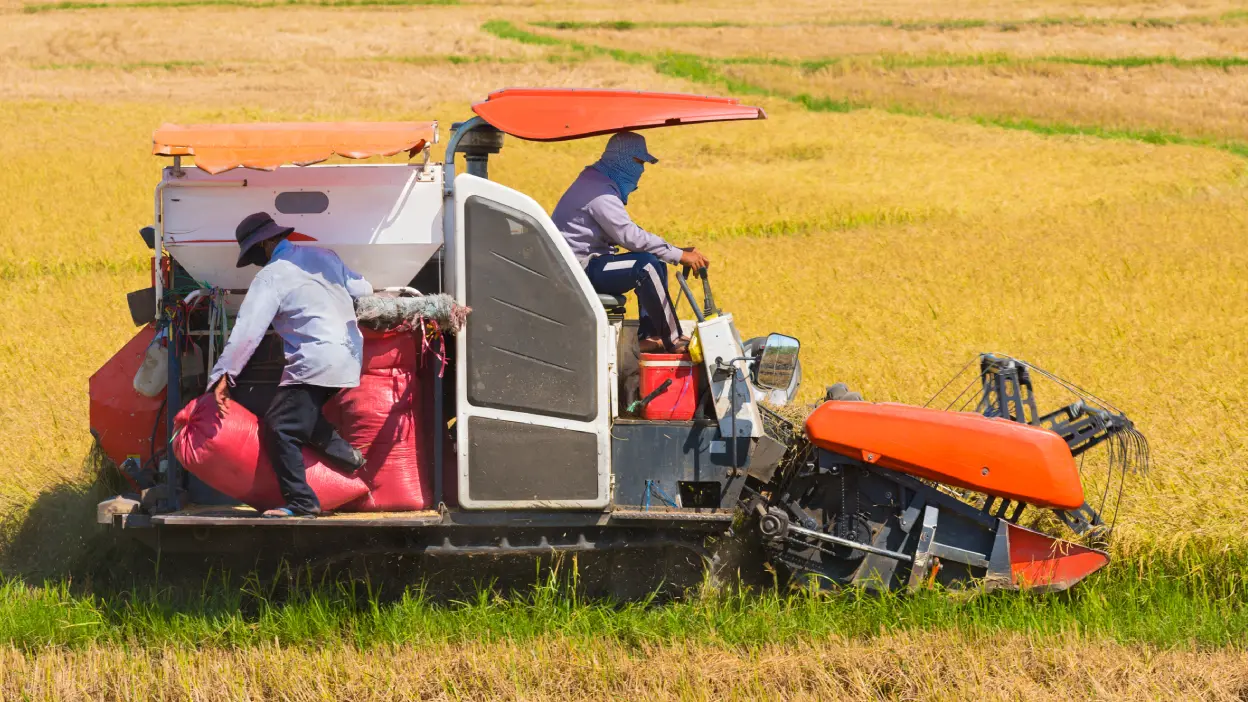
Over the past two decades, U.S. heavy-equipment exports to Vietnam have moved from a niche trade to a clearly rising market, driven by Vietnam’s rapid industrialization, expanding infrastructure and construction programs, and stronger bilateral commercial ties. Vietnamese demand for earth-moving machinery, agricultural implements, and construction equipment accelerated after 2010 as foreign investment and public works projects increased, and more recent years have seen an especially sharp uptick as firms diversify supply chains and Vietnam invests in ports, roads, and industrial parks. Official trade summaries and reporting (USTR, U.S. Census/BEA trade tables, and UN Comtrade) show growing U.S. goods exports overall to Vietnam — and multiple sources note growing shares for capital and industrial goods — which matches the upward trajectory shown in the chart and table below.
Drivers of growth:
- Manufacturing relocation: Multinationals shifting supply chains from China to Vietnam drive demand for industrial zones, ports, and logistics hubs.
- Public infrastructure investment: Highway expansions, metro systems in Hanoi and Ho Chi Minh City, and airport upgrades all require bulldozers, excavators, and loaders.
- Agricultural modernization: Although less publicized, Vietnam’s rice and aquaculture sectors are gradually mechanizing, boosting demand for U.S. agricultural equipment.
Strategic implications:
Vietnam’s reliance on imported machinery creates openings for U.S. exporters, though Japanese and Korean equipment still dominate. Establishing local service hubs and financing options is crucial.
2. India
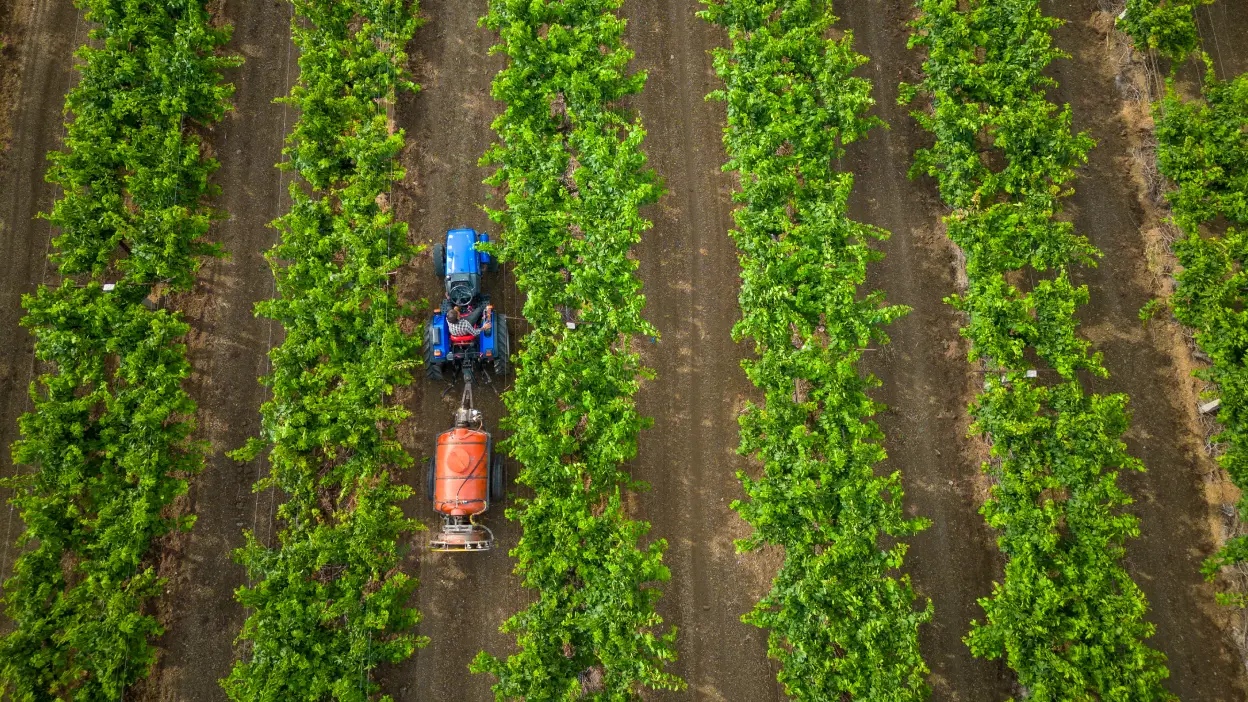
Over the past two decades, India has emerged as a critical growth market for U.S. heavy equipment, reflecting the country’s rapid urbanization, massive infrastructure build-out, and modernization of its agricultural and mining sectors. Imports of U.S. machinery expanded steadily after 2005, accelerating sharply after 2010 as India launched major highway, metro, and energy projects. In recent years, India’s “Make in India” initiative and record infrastructure spending have further fueled demand for advanced U.S. construction and earth-moving equipment.
Drivers of growth:
- National Infrastructure Pipeline: $1.4 trillion earmarked through 2025 for roads, rail, power, and logistics.
- Urbanization: Demand for residential construction, metro systems, and smart cities ensures long-term machinery imports.
- Agricultural equipment: Tractors, combines, and attachments from U.S. firms supplement domestic production, especially in northern states.
Strategic implications:
India combines scale with long-term potential. However, high tariffs and strong domestic manufacturers (JCB India, Tata Hitachi) challenge foreign suppliers. U.S. exporters win when offering durability, technology, and lifecycle cost advantages.
3. Saudi Arabia
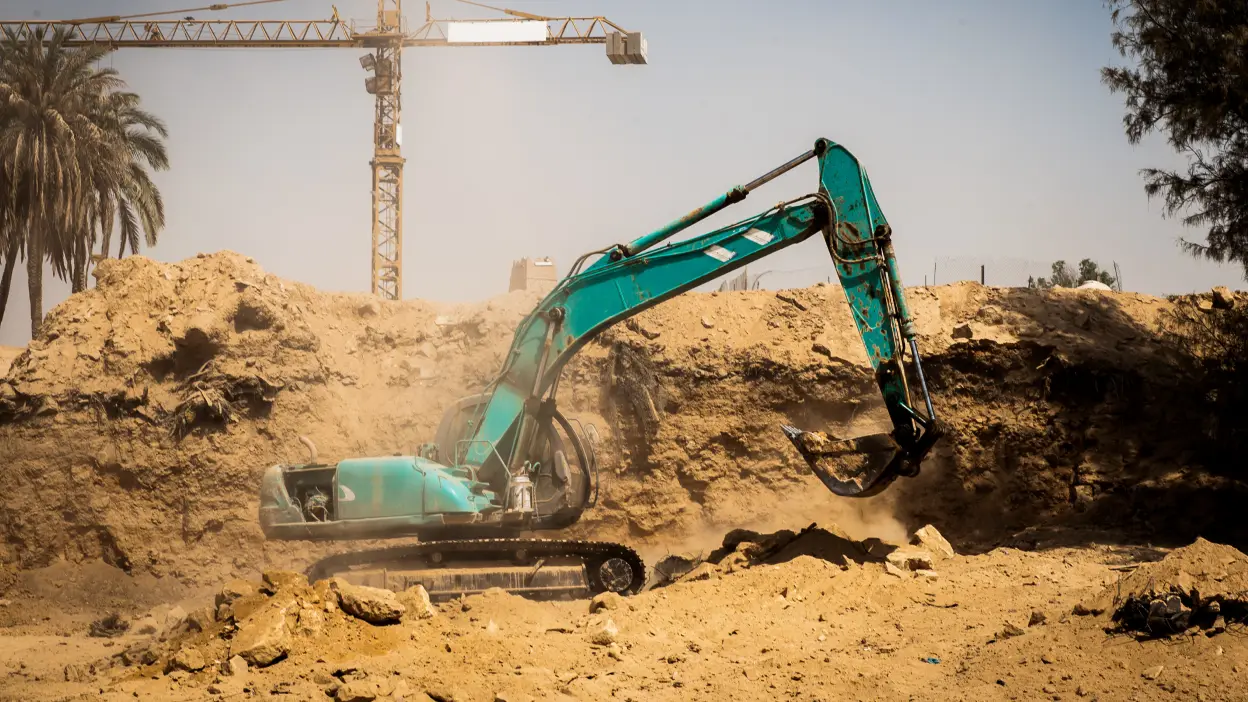
Saudi Arabia has consistently ranked among the largest markets for U.S. heavy equipment in the Middle East, fueled by its oil-driven economy and ambitious development plans. Since 2005, imports of U.S. construction, mining, and agricultural machinery have steadily grown, supported by mega-projects such as the Riyadh Metro, NEOM, and other Vision 2030 infrastructure initiatives. The demand accelerated particularly after 2010 as diversification efforts increased, with sustained growth through the 2020s as the Kingdom invests heavily in industrial zones, smart cities, and renewable energy projects.
Drivers of growth:
- Giga-projects: NEOM, Qiddiya, and the Red Sea project require fleets of earth-moving machinery.
- Transport upgrades: Riyadh Metro, airport expansions, and new highways add to demand.
- Mining development: Plans to grow mining to 75,000 jobs by 2030 require specialized excavators and loaders.
Strategic implications:
Saudi Arabia’s oil-backed financing ensures reliable demand, but Chinese competitors offering bundled financing challenge U.S. exporters. American brands retain a strong reputation for quality and efficiency.
4. Brazil
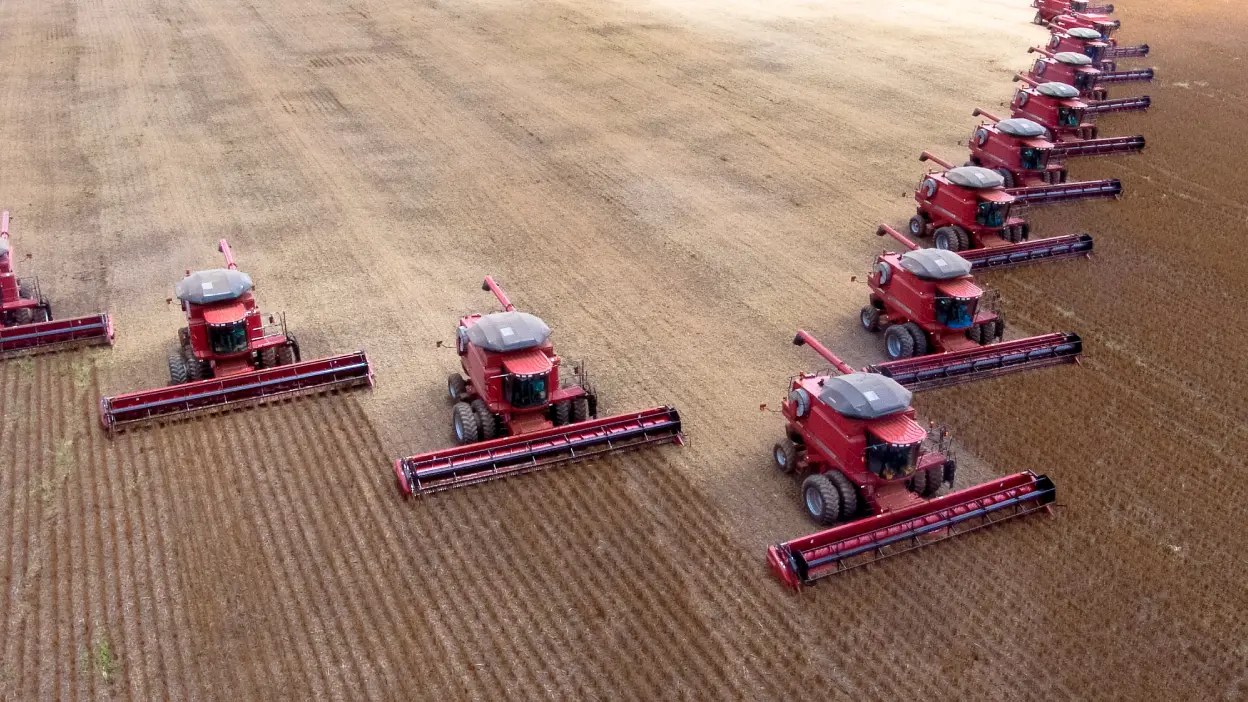
Brazil has long been a major destination for U.S. heavy equipment in South America, reflecting its vast agricultural base, large-scale mining operations, and ongoing infrastructure development. Imports of U.S. machinery have steadily expanded since 2005, with notable growth after 2010 as Brazil prepared for the World Cup and Olympic Games, which spurred investments in transportation, energy, and construction. More recently, strong demand for modern agricultural machinery and logistics equipment has continued to drive U.S. exports upward.
Drivers of growth:
- Mining sector: Iron ore, copper, and gold mining underpin demand for loaders, bulldozers, and parts.
- Agricultural expansion: Soybean and corn farming require mechanization, including tractors and harvesters.
- Infrastructure revival: New road and port projects are reviving after fiscal austerity.
Strategic implications:
Currency volatility makes Brazil unpredictable, but its sheer resource wealth ensures recurring demand. U.S. firms should mitigate risks through financing arrangements and local partnerships.
5. Indonesia
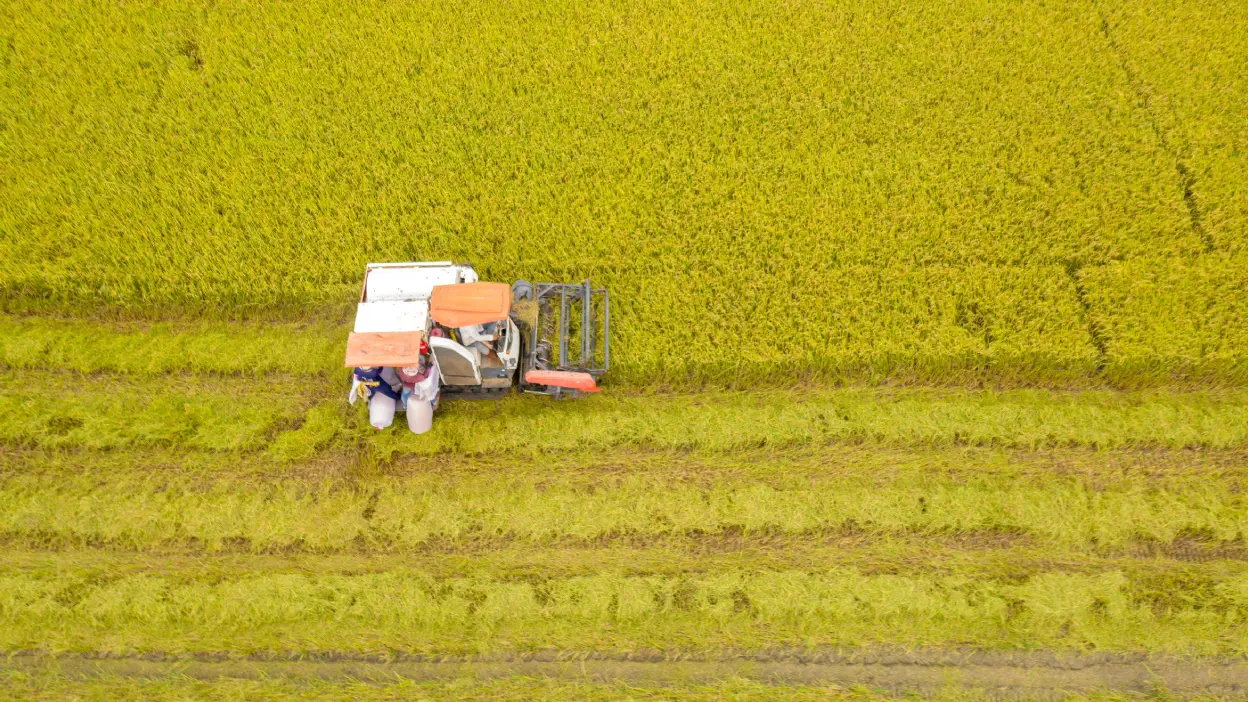
Indonesia has emerged as one of the fastest-growing markets in Southeast Asia for U.S. heavy equipment, driven by the country’s booming mining, energy, and infrastructure sectors. Since 2005, imports of American construction and agricultural machinery have steadily risen, with a major acceleration after 2010 as Indonesia expanded its coal, nickel, and palm oil industries while also investing heavily in roads, ports, and power plants. Recent government initiatives, such as the relocation of the national capital to East Kalimantan and large-scale infrastructure projects across the archipelago, have further boosted demand.
Drivers of growth:
- Capital relocation: Building Nusantara, the new capital on Borneo, requires massive fleets of heavy equipment.
- Nickel mining: Indonesia is the world’s largest nickel producer, critical to electric vehicle supply chains. Excavators and loaders are essential.
- Energy projects: Hydropower, coal, and renewable energy facilities generate continuous demand.
Strategic implications:
Indonesia’s growth potential is clear, but the distance from U.S. suppliers and Asian competition (China, Japan, Korea) poses challenges. U.S. exporters must focus on technology differentiation and after-sales service.
Implications for U.S. exporters
- After-sales networks: Service and parts availability often outweigh initial purchase price in buyer decisions.
- Financing: Flexible leasing or credit terms are decisive, especially in Brazil and Indonesia.
- Technology advantage: Fuel efficiency, hybrid models, and telematics systems give U.S. machinery an edge in sustainability-conscious projects.
- Geopolitics: Vietnam and India seek to diversify away from Chinese suppliers, presenting opportunities for U.S. exporters.
- Localization: Building assembly or parts facilities closer to end-users can mitigate tariffs and logistics costs.
Conclusion
The heavy equipment export landscape is shifting toward emerging economies. Vietnam, India, Saudi Arabia, Brazil, and Indonesia are the five most dynamic markets increasing their imports of U.S. machinery.
- Vietnam is the fastest-growing country, fueled by industrialization.
- India offers unmatched scale.
- Saudi Arabia sustains growth through Vision 2030 projects.
- Brazil alternates with cycles but remains resource-driven.
- Indonesia blends capital relocation with mining demand.
For U.S. exporters, success depends on deep local engagement, competitive financing, and leveraging advanced technology. The decade ahead promises billions in demand from these five markets — and those who position early will reap the benefits.



Be the first to leave a comment
There are no replies to this post yet. Share your thoughts and help start the conversation.